




It’s Engineered for Beauty, Not Speed
Forget the interstate. The Blue Ridge Parkway was designed with a single purpose: pleasure. With a strictly enforced speed limit of 45 mph (and often slower), it forces you to unwind. The road was intentionally engineered to follow the contours of the mountains, revealing painterly vistas around every gentle curve. There are no billboards, no commercial trucks, and no stoplights. This isn't a road for getting from Point A to Point B quickly; it's a destination in itself, designed by landscape architects, not traffic engineers, to be a moving national park.
The Endless Appalachian Overlooks
The Parkway is famous for its more than 200 overlooks, each offering a unique perspective on the ancient, rolling mountains. These pull-offs are the heart of the experience. Some, like the one
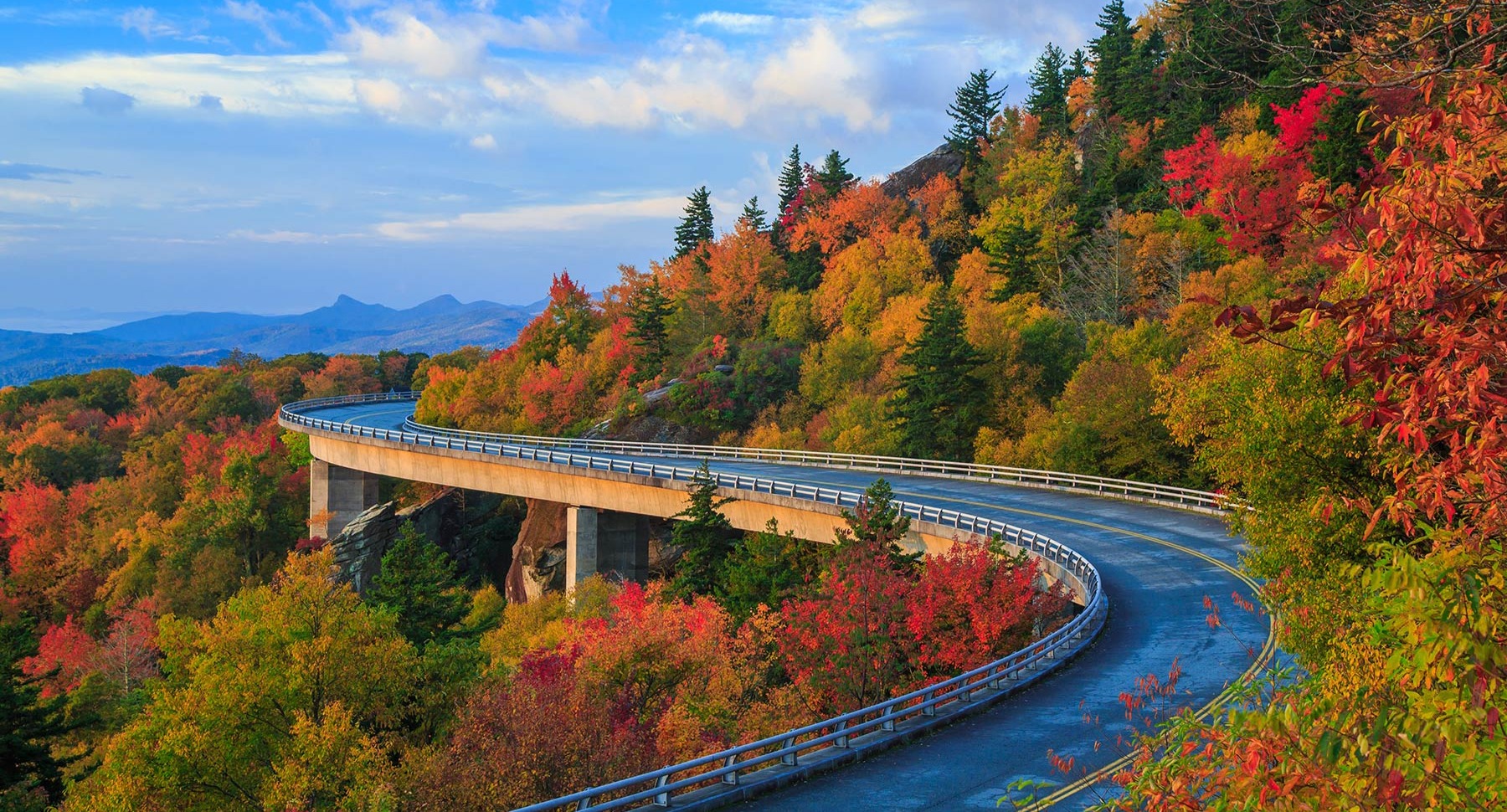
at Raven's Roost (Milepost 10.7), offer dramatic rock formations and sunset views. Others, like Waterrock Knob (Milepost 451.2), provide near 360-degree panoramas that are especially magical at sunrise. The iconic Linn Cove Viaduct (Milepost 304.4), an engineering marvel that snakes around Grandfather Mountain, is itself a breathtaking sight, proving that even the infrastructure can be part of the beauty.
A Drive Through Four Distinct Seasons
Choosing the 'best' time to drive the Parkway is an impossible task because each season offers its own masterpiece. Spring brings a riot of color with blooming dogwoods, azaleas, and Catawba rhododendrons that turn entire mountainsides purple and pink. Summer offers lush, green canopies and a cool escape from the lowland heat, with misty mornings creating what locals call the 'blue smoke' of the Blue Ridge. But it’s autumn that draws the biggest crowds, when the hillsides erupt in a symphony of fiery reds, brilliant oranges, and golden yellows, creating one of the world's most spectacular displays of fall foliage. Even winter has a stark, quiet beauty, though sections of the road may close due to ice and snow.
A Gateway to Appalachian Culture and History
The Parkway is more than just nature; it's a lifeline connecting the rich cultural tapestry of the Appalachians. At places like the Folk Art Center in Asheville (Milepost 382), you can see and purchase work from the region's best craftspeople. At Mabry Mill (Milepost 176.2), you can step back in time to see a historic gristmill, sawmill, and blacksmith shop in action. Bluegrass and old-time music are the unofficial soundtrack of the region, and you can often find live performances at spots like the Blue Ridge Music Center (Milepost 213). It’s a drive that connects you not just to the land, but to the people and traditions that call it home.
It’s an Active Adventure, Not a Passive Drive
Don't just stay in the car. The Blue Ridge Parkway is the trailhead for hundreds of hiking opportunities, from easy leg-stretcher trails to challenging ascents. You can take a short walk to a stunning waterfall like Linville Falls (Milepost 316.4) or tackle a portion of the Appalachian Trail, which crisscrosses the Parkway. The road also serves as a portal to vibrant mountain towns just a short detour away. Dip into Roanoke, Virginia, for its historic market, or explore the bohemian energy and culinary scene of Asheville, North Carolina. The drive provides the structure, but the real adventure lies in the stops you make along the way.