



So, What’s Actually Changing?
The World Cup we’ve known and loved since 1998 is gone. That 32-team, 64-game tournament was a model of beautiful simplicity: eight groups of four, with the top two from each group advancing to a straightforward 16-team knockout bracket. It was tense,
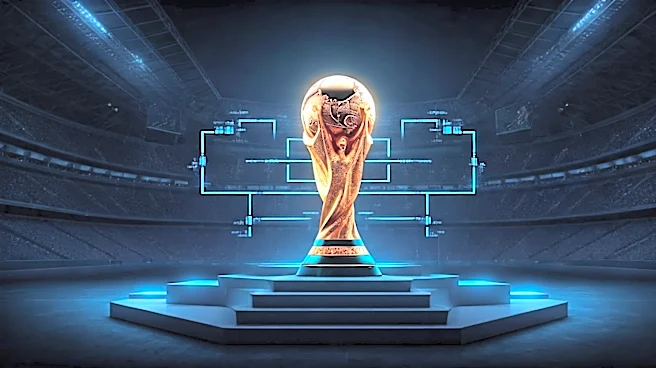
clean, and every final group-stage game carried immense weight. The 2026 tournament blows that model up. The field will expand by 50%, welcoming 48 teams for the first time ever. These teams will be split into 12 groups of four. The top two teams in each group will still advance, but they'll be joined by the eight best third-place teams. This creates a brand-new knockout stage: a Round of 32. The result is a monster tournament of 104 matches, up from 64, spanning nearly 40 days. It's bigger, longer, and a whole lot more complicated.
Why The Massive Overhaul?
FIFA, soccer’s global governing body, will tell you this is about one thing: inclusion. By expanding the field, dozens of nations that have only dreamed of qualifying for a World Cup now have a realistic shot. Imagine the national joy in countries like Zambia, Panama, or Oman making their debut on the world’s biggest stage. It spreads the gospel of the game, inspires new generations of players, and makes the “World” Cup feel genuinely more worldly. That’s the official story, and it’s a powerful one. Of course, there’s another, less romantic reason: money. A lot of it. More teams mean more games. More games mean more tickets sold, more broadcast rights to sell in more countries, and more sponsorship opportunities. FIFA projected the 2023-2026 cycle would generate $11 billion in revenue, a staggering increase fueled largely by the expanded men’s tournament. More soccer, for FIFA, equals more financial security and influence.
The Good: A Truly Global Party
Cynicism aside, there’s a genuine upside to a bigger tournament. The World Cup’s magic lies in its ability to unite the globe, and a 48-team format makes that magic accessible to more people. For every fan in a powerhouse nation like Brazil or Germany who might complain about diluted quality, there’s a fan in a country like North Macedonia or Jamaica whose lifelong dream of seeing their team in the tournament is now within reach. Think of the Cinderella stories, the unexpected heroes, and the sheer explosion of national pride that qualifying can ignite. The group stages will be filled with fresh faces and new matchups, offering a variety of stories that the old 32-team format simply couldn't accommodate. It’s a trade-off: less elite purity for more global participation.
The Bad: Dilution and Player Burnout
The most common critique is that quality will inevitably suffer. A larger field means including teams that are, frankly, not on the same level as the traditional powers. This raises the specter of lopsided, uncompetitive group-stage matches—think 7-0 or 8-1 scorelines—that serve little purpose other than to pad stats and bore viewers. The prestige of simply *qualifying* for the World Cup is undeniably diminished when nearly a quarter of all FIFA-member nations get a ticket. Then there's the massive issue of player welfare. The world’s best players already operate on a brutal club and country schedule. The new format adds an entire extra knockout round. For teams that go the distance, it means playing eight games instead of seven, all crammed into a slightly longer tournament window. It’s a huge physical and mental ask that could lead to more injuries and lower-quality play in the tournament’s critical final stages.
The Ugly: The Messy Math of Third Place
Perhaps the biggest potential flaw isn't the size, but the structure. Advancing the eight best third-place teams is a recipe for confusion and, potentially, controversy. It creates scenarios where a team's fate on the final day of the group stage depends on results in other groups that have yet to be played. This kills the simultaneous, winner-take-all drama that made the old format so thrilling. Worse, it reintroduces the possibility of collusion. When a certain result—like a low-scoring draw—benefits both teams on the pitch while knocking out a third-place team in another group, the integrity of the competition is at risk. It's a complicated, imperfect system that prioritizes getting to 32 teams for the knockout round over clean, dramatic group-stage finales.