



The Secret Is in the Seam
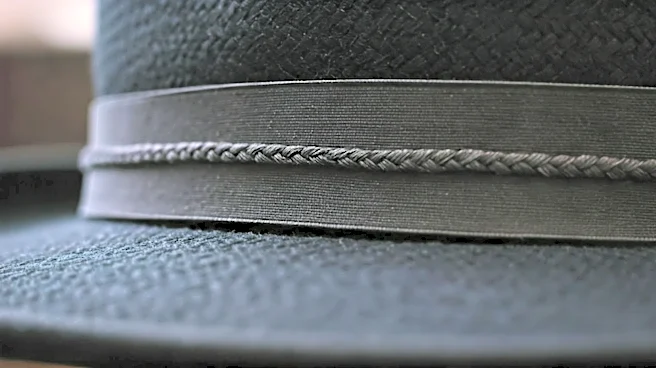
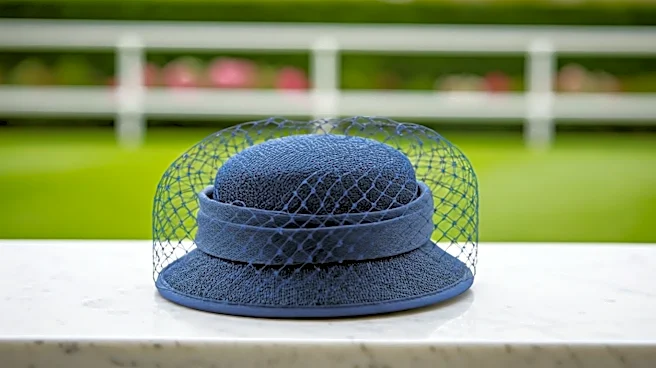
The detail isn't the hatband itself, but how it’s finished. On a truly well-made hat—whether a classic fedora, a Panama, or a wide-brimmed sun hat—the giveaway is the small, ornamental bow or fold on the grosgrain ribbon. On mass-produced hats, this element
is often an afterthought: a pre-made bow, perfectly symmetrical and stiff, glued onto the band. It’s efficient, but it’s lifeless. The mark of quality, the detail that signals a custom feel, is a hand-tacked finish. This is where a skilled artisan takes the ribbon, forms the bow or fold by hand, and secures it with a few tiny, often invisible stitches. It’s not about the ribbon’s material, but the human touch applied at the very last step.
Machine Precision vs. Human Character
To the untrained eye, the difference is almost imperceptible, but once you see it, you can’t unsee it. A machine-made bow is flawless to a fault. Its loops are identical, its edges are crisp, and it sits on the hatband with rigid uniformity. It feels like an accessory attached to another accessory. A hand-finished bow, by contrast, has character. The loops might be ever so slightly asymmetrical. The knot might have a gentle tension that a machine can't replicate. You may even be able to spot the minuscule, discreet stitches that hold the structure together if you look closely. This slight imperfection is not a flaw; it is the signature of craftsmanship. It tells you that a person, not a conveyor belt, completed your hat. This subtle difference transforms the hat from a product into a piece with a story.
What the Hand-Finished Bow Signifies
Why does this tiny detail matter so much? Because it’s a proxy for overall quality. A hatmaker who takes the time to hand-finish a ribbon is likely not cutting corners elsewhere. It suggests that the felt is of a higher grade, the blocking was done with care, and the sweatband inside is made from quality leather, not synthetic material. It’s the sartorial equivalent of seeing hand-picked stitching on a suit lapel. This detail is a quiet promise of durability and thoughtful construction. Different hatters also have their own signature folds. Some use a classic, flat bow. Others might use a more complex, pleated “puggaree” style originally designed for tropical climates. Recognizing these styles is like learning the secret language of legacy milliners.
How to Spot It in the Wild
The next time you’re looking at a quality hat, ignore the price tag for a moment and go straight to the band. Find the bow or decorative fold, which is traditionally placed on the left side. Gently pinch it. Does it feel stiff and solid, as if it’s one fused piece? It’s likely glued. Does it have a slight softness and dimensionality, where you can feel the layers of ribbon? That’s a good sign. Look at the intersection where the bow meets the band. Can you spot a few threads—often in a matching color—securing it in place? You’re likely looking at a hand-tacked finish. Don't be afraid to ask a salesperson. At a reputable hatter, they'll be proud to point out this very detail as a mark of their quality.