







The Gold Standard: What Is Full-Grain Leather?
Think of full-grain leather as the most honest and authentic version of the material. It’s made from the top layer of the hide and includes the complete, original grain—all of its natural textures, pores, and markings. This means any scars, wrinkles,
or insect bites the animal acquired during its life remain, telling a unique story. Because this top layer contains the tightest and strongest fibers, full-grain leather is the most durable and highest-quality grade you can get. It’s not sanded or buffed to remove these “imperfections,” which are considered marks of authenticity. A bag made from this material is a one-of-a-kind piece from the start.
The Uniform Alternative: What Is Corrected Leather?
Corrected-grain leather starts with hides that have more significant natural imperfections. To create a uniform and flawless appearance, tanneries sand or buff the surface to remove these marks. After creating a smooth canvas, they often emboss an artificial, repeating grain pattern onto the surface and apply a layer of pigment. The result is a bag with a perfectly consistent look and feel, free of any natural blemishes. While it's still genuine leather, this process removes the strongest, most resilient fibers from the outermost layer, which impacts its long-term performance.
Appearance and Feel: Natural Character vs. Pristine Finish
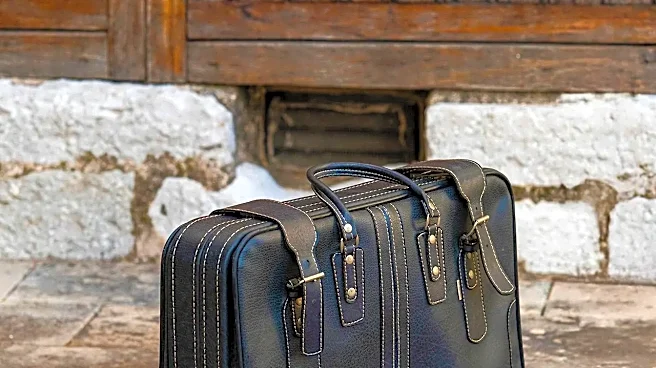
The most immediate difference is what you see and feel. A full-grain leather bag showcases a natural, varied surface; you can often see the pores and unique markings up close. It has a rich, organic texture that feels supple. Corrected-grain leather, by contrast, has an almost unnaturally perfect look. The embossed grain pattern is typically very regular, and the surface is often sealed with a topcoat that can feel stiffer or more like plastic. While a corrected-grain bag offers a clean, uniform aesthetic from day one, a full-grain bag offers unique character that can’t be replicated.
Aging and Durability: A Patina vs. Potential Peeling
This is where the two types truly diverge. Full-grain leather gets better with age. Through exposure to sunlight, handling, and the oils from your skin, it develops a beautiful patina—a gradual deepening of color and a soft sheen that is highly prized. Scratches and scuffs tend to blend into the leather over time, adding to its story. Because corrected-grain leather has a sealed, pigmented surface, it doesn't develop a patina. Instead of aging gracefully, it wears. Over time, the finish on a corrected-grain bag can be prone to cracking or peeling, especially at flex points, and it won’t have the same capacity to absorb conditioners to stay supple.
The Price Tag: Upfront Cost vs. Long-Term Value
Full-grain leather is more expensive, and for good reason. It requires the highest-quality hides with fewer initial blemishes, and its durability means you're investing in a product that can last for decades. Corrected-grain leather is more affordable because it allows tanneries to use hides that would otherwise be discarded, preventing waste. This makes it a popular choice for fashion-forward items or for those who prioritize a lower initial cost. A full-grain bag is an investment in longevity and character, while a corrected-grain bag offers an accessible price for a uniform, pristine look.