





Embrace the New TIFF Market
This year is a game-changer with the formal launch of TIFF: The Market, a dedicated hub for filmmakers to connect with distributors, sales agents, and financiers. This isn't just another series of panels; it's a centralized space designed to streamline
deal-making and increase visibility for independent projects. For a debut director, this is an unprecedented opportunity. Instead of hoping for a chance encounter in a hotel lobby, you now have a formal marketplace to showcase your work. Prepare by researching the companies and agents who will be in attendance. Tailor your pitch specifically to them. Know who you want to talk to and why your film fits their slate. This new structure levels the playing field, putting emerging voices on the same stage as established studios.
Your Pitch is as Important as Your Film
Your movie might be a masterpiece, but if you can't articulate what it's about and why it matters in 60 seconds, you'll lose the room. The festival is a marathon of screenings and meetings, and attention spans are short. Develop a compelling, concise, and passionate elevator pitch. Be prepared to talk about your vision, your intended audience, and what makes your story unique. Beyond the logline, be ready to discuss your directorial approach. Participating in programs like the TIFF Directors' Lab can help you refine this pitch and prepare your project for the marketplace. You're not just selling a film; you're selling your vision as a director.
Master the Post-Screening Q&A
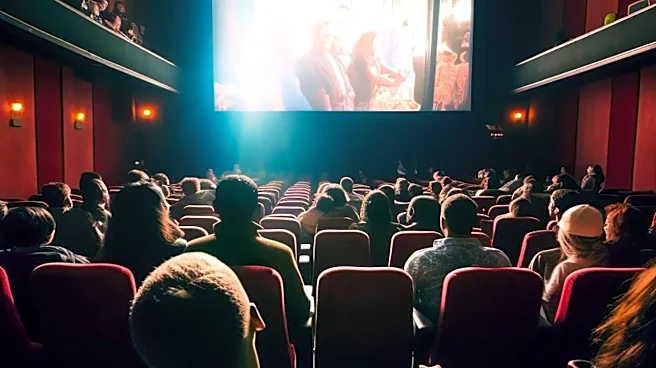
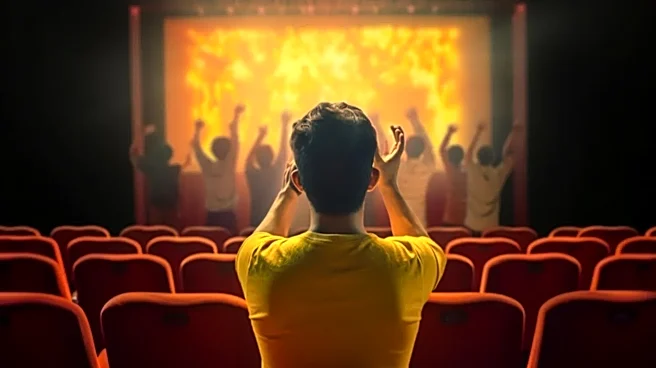
The lights come up, the credits roll, and now all eyes are on you. The post-screening Q&A is a critical moment. It's your chance to connect with the audience, provide context for your work, and impress any industry professionals in the theater. Don't be defensive. Be open, engaging, and articulate about your creative choices. Hearing directly from directors and cast is a major draw for festival-goers. Prepare for common questions: What inspired the film? What was the biggest challenge? What do you want the audience to take away? A confident and thoughtful Q&A can turn a positive screening into a must-see event and generate the word-of-mouth buzz that is crucial for a festival breakout.
Network Beyond the Screening Room
While the new market is a central hub, the old saying holds true: much of the festival's business happens outside the theaters. Hotel bars, industry panels, and even rush lines for sold-out shows are prime networking opportunities. Don't over-schedule your screenings; leave breathing room for unexpected conversations and connections. Attend the industry talks and “In Conversation With…” events to learn from established figures and meet peers. And remember, everyone is a potential connection, from a fellow filmmaker in line to a programmer you meet at a coffee shop. Be approachable, be curious, and be ready to talk about your project without being pushy.
Leverage the Discovery Programme
If your film is selected for the Discovery programme, you already have a significant advantage. This section is TIFF's premier launchpad for debut and second-time directors, designed to showcase bold new voices to the world. It's known for identifying future-defining talents like Christopher Nolan and Alfonso Cuarón in their early days. This year’s lineup includes 24 features from emerging global filmmakers. Being part of Discovery gives you an official stamp of approval. Use this in your marketing materials and conversations. Highlight your inclusion to attract press, industry, and audiences who are specifically looking for the next big thing in cinema.
Plan Your Follow-Up
The festival might last for 11 days, but the work isn't over when you fly home. The most common mistake new directors make is failing to follow up. You'll collect contacts and have dozens of conversations. Keep organized notes on who you met and what you discussed. A well-timed, personalized follow-up email is more effective than a generic blast. Remind them of your conversation and your film. The relationships you begin at TIFF are what lead to distribution deals, future collaborations, and a sustainable career. The festival is the start of the conversation, not the end.