
The Allure of the 'Oscar Clip'
In the world of film festivals and awards campaigns, there's an undeniable bias toward 'big' acting. Voters and audiences are often drawn to explosive displays of emotion: the tearful breakdowns, the furniture-throwing arguments, and the grand, transformative
character arcs. These moments become the coveted "Oscar clip," a self-contained showcase of an actor's range that's easy to package and promote. Think of the heart-wrenching confessions or fiery speeches that dominate montages. This isn't to say these performances aren't powerful, but they represent a specific, often extroverted, style of acting that the industry has historically rewarded. The result is a cycle where overt, visible effort is equated with quality, sometimes leaving more subtle, internal work in the shadows.
The Power of the Quiet Moment
But the most profound acting often happens when a character says nothing at all. A great performance can pivot on a single, quiet beat: a flicker of understanding in a character's eyes, a hesitant gesture, or the heavy silence that follows a devastating revelation. These are the moments that reveal the churning inner life of a character without a word of dialogue. Consider a performance like Frances McDormand's Oscar-winning turn in "Nomadland," which was built on a foundation of quiet observation and reaction rather than explosive drama. This subtle work is incredibly difficult, requiring an actor to convey a universe of thought and feeling through sheer presence. It’s not about what the character does, but what they choose not to do—the swallowed-back retort, the forced smile that doesn't reach the eyes. That restraint is where true mastery lies.
What to Watch for at TIFF 2026
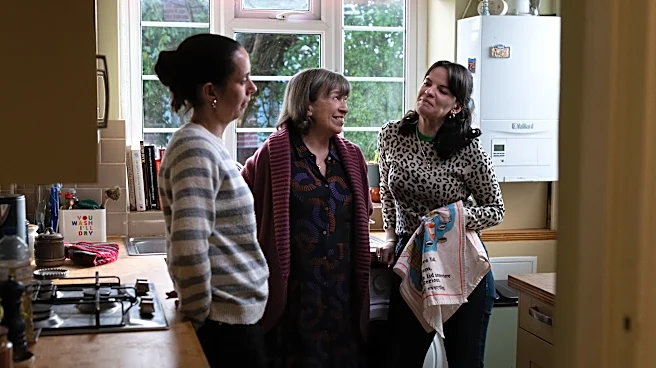
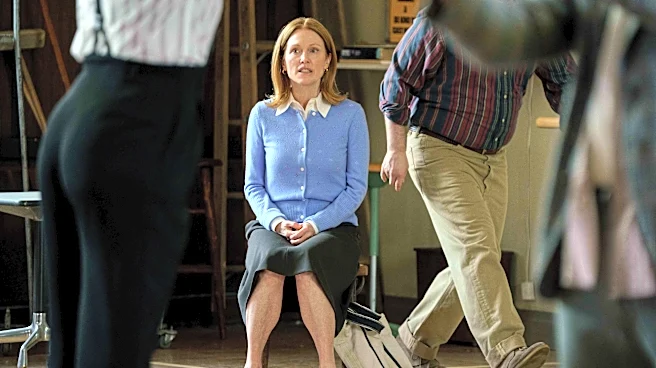
As this year's festival gets underway from September 10-20, the lineup is filled with films that promise these kinds of nuanced performances. Take Mike Leigh's "Tender Loving Care," a family drama about a social worker navigating her father's declining health. Leigh is a filmmaker renowned for his focus on the lives of ordinary people, and a story centered on grief and middle age is fertile ground for quiet, devastating moments. Similarly, in "The Debut," Julianne Moore plays a housewife whose sudden dedication to community theatre could easily become caricature, but the premise hints at a deeper well of quiet pain and yearning. Even in a psychological thriller like "In the Heart of the South," the most chilling moments may not be jump scares but the unspoken tensions exploring how the art world treats Indigenous creators. The key will be to look past the high-concept plots for the small, human reactions within them.
Why Less Is Suddenly More
So why does this feel more relevant now? There's a growing critical and audience appreciation for performances that feel grounded and real. Perhaps it’s a reaction to the larger-than-life spectacles of blockbuster cinema, or maybe it reflects a collective desire for more intimate, character-driven stories. Films like "Past Lives" and "Aftersun" have recently earned acclaim for their power, which resides almost entirely in subtle gestures and unspoken emotions. These films prove that a quiet performance can be just as, if not more, captivating than a loud one. The actor becomes a conduit for the audience, allowing us to feel the character's internal journey rather than just watch it happen from a distance. This shift values authenticity over theatricality, rewarding the actor who can make us lean in rather than the one who shouts for our attention.