
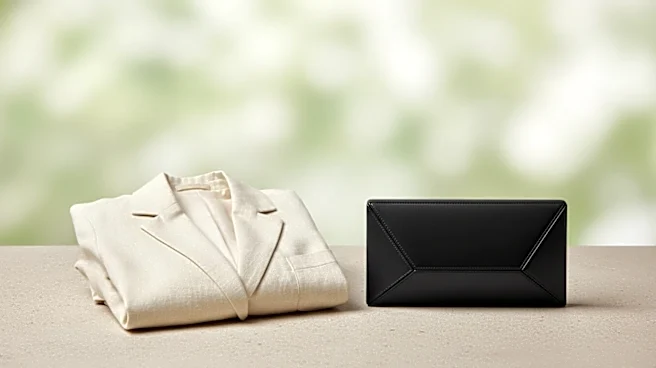


An Arena of Sartorial Splendor
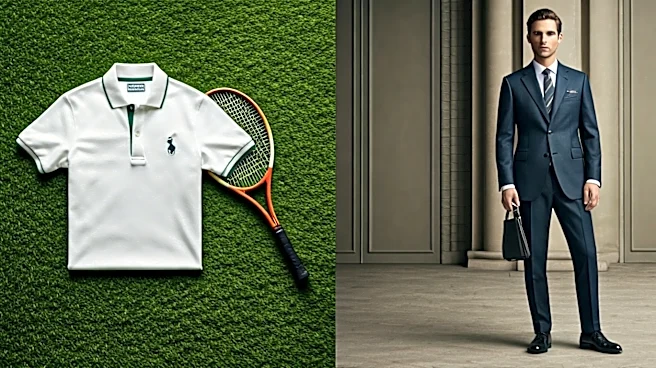
More than any other Grand Slam, Wimbledon is a spectacle of tradition. From the strawberries and cream to the Royal Box, every detail feels steeped in history. This is most visible in the dress codes. While players adhere to the famously strict “all-white”
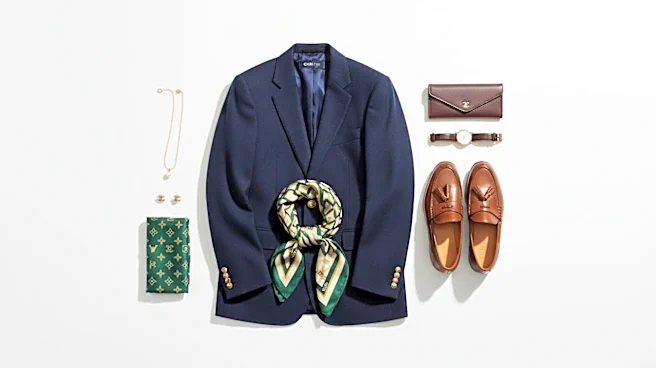
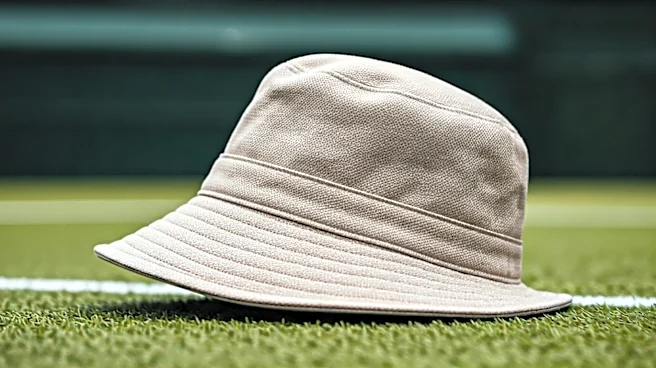
rule—a tradition dating back to the 19th century to avoid the unseemly sight of sweat on colored apparel—spectators engage in their own unwritten code of smart, elegant attire. It’s a social scene where dressing up is part of the experience, a nod to a time when women wore gloves and formal hats to the matches. In this environment, a well-chosen blazer isn't just an accessory; it's a statement of belonging, a tribute to the tournament’s revered aesthetic.
A Modern Classic with 1920s Roots
For years, Polo Ralph Lauren has been the official outfitter of Wimbledon, dressing on-court officials and ballpersons since 2006. The brand, deeply rooted in an idealized vision of American prep and English heritage, has often looked to the past for inspiration. In one notable instance, Lacoste, another heritage brand, designed a jacket for Novak Djokovic inspired by those worn by champions in the 1920s. This era was a turning point in tennis fashion, as players like France's Suzanne Lenglen traded heavy corsets and long skirts for calf-length frocks and sleeveless tops, introducing a new sense of freedom and style to the game. It's this spirit of early sporting elegance, when style was becoming more practical yet remained dashing, that continues to inform today's heritage-inspired pieces for the discerning spectator.
Crafting Wearable History
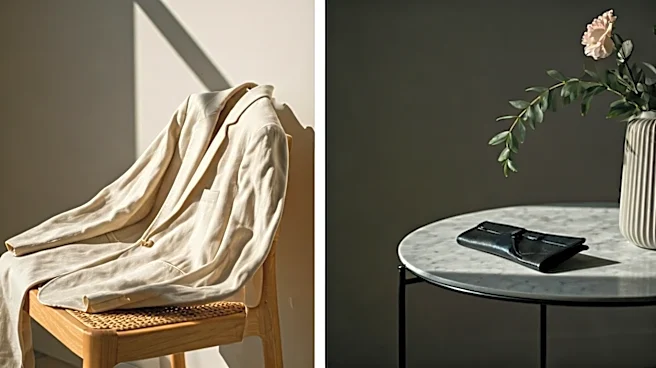
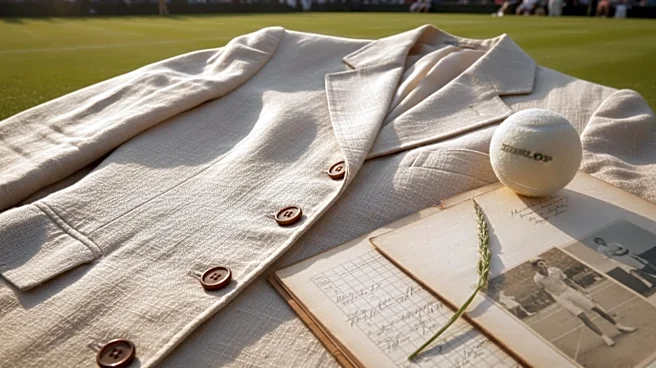
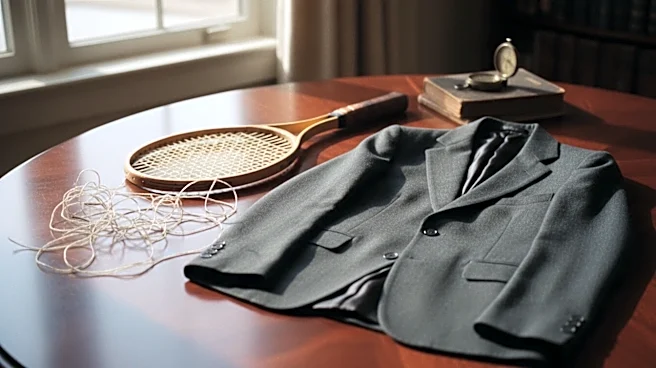
The allure for today's most exacting dressers lies in the story and the execution. When a brand like Ralph Lauren delves into its archives or those of a historic tournament, it’s about more than just recreating a vintage look. It is about capturing a specific feeling. For a cream linen blazer, the story begins with the fabric itself—linen being a quintessential summer material, breathable and elegantly rumpled. The color, a soft cream or off-white, offers a sophisticated counterpoint to the stark white worn by the players, which is a shade technically forbidden on court. The design would pull from the sartorial language of the 1920s and '30s—a time when Ralph Lauren himself has admitted to drawing inspiration for his classic, traditional looks. Details like a specific lapel roll, patch pockets, or a softer shoulder construction speak to a bygone era of craftsmanship that appeals to those who appreciate authenticity over trends.
The Blazer as a Status Symbol
Attending Wimbledon in a piece inspired by its own history is the ultimate insider move. It signals an appreciation for the tournament that goes beyond the action on Centre Court. It connects the wearer to a lineage of impeccably dressed spectators, from Princess Anne in the '60s to Sienna Miller and Alexa Chung in modern Ralph Lauren ensembles. This type of garment is not for the casual fan; it's for the person who understands that the grass-court tournament has always been a social scene. Owning and wearing a blazer with a direct link to a 1920s archive is a way of participating in the event's enduring legacy. It's a quiet luxury, a piece of wearable history that celebrates the unique, timeless style that makes Wimbledon, Wimbledon.