





The Fantasy of the Feel-Good Kitchen
For years, the dominant flavor of food television has been comfort. From the instructional days of Julia Child to the rise of the Food Network, the goal was largely to make cooking feel accessible, aspirational, and, above all, pleasant. Shows like 'The
Great British Bake Off' perfected this formula, offering a pastoral escape where the biggest crisis is a soggy bottom. This was culinary escapism, a genre built on the promise that in the kitchen, everything is under control and ends with a beautiful, delicious result. It sold a fantasy: that the process of making food is always a joy, never a job. This cozy programming wasn't just about recipes; it was about selling a lifestyle of low-stress, aesthetically pleasing domesticity.
Enter the Chaos Menu
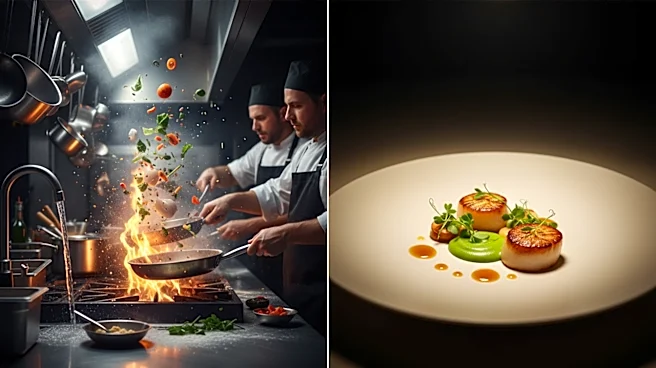
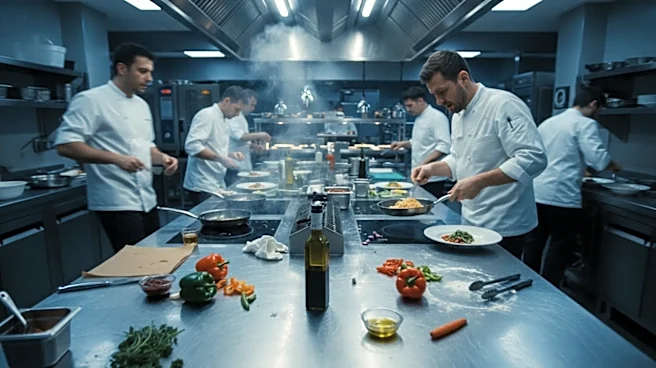
'The Bear' threw a lit match on that entire premise. From its opening moments, the FX series immerses the viewer in the brutal, high-stress reality of a professional kitchen. The soundscape isn't a gentle simmer; it's a cacophony of ticket machines, clanging pans, and overlapping shouts. The drama isn't about whether a cake will rise but whether the restaurant, and its deeply flawed characters, will survive the night. Protagonist Carmy Berzatto, a fine-dining chef, returns to his family's chaotic Chicago sandwich shop after his brother's death. He brings with him not the zen of a TV chef, but crippling anxiety, perfectionism, and layers of grief. The show makes it clear that the pursuit of culinary greatness is often a painful, grueling, and deeply personal battle.
Why We Crave the Burn
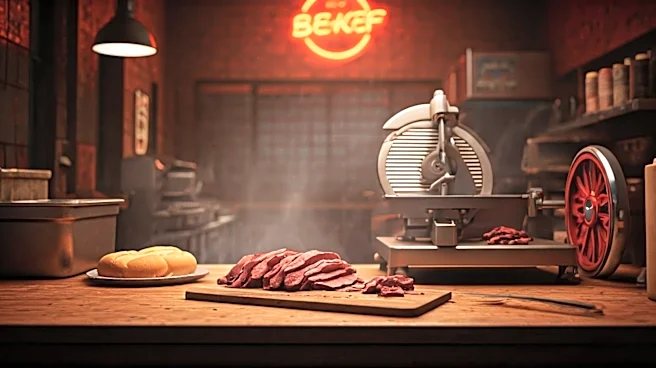
So why are audiences so captivated by a show that has been called "the most stressful thing on TV"? Because its authenticity resonates. 'The Bear' swaps the fantasy of the cozy kitchen for the emotional reality of pursuing a passion. The stress isn't just for show; it's a crucible for character development, revealing deep truths about ambition, family trauma, and mental health. Watching the staff of The Original Beef (and later, The Bear) strive for excellence against impossible odds feels more real and compelling than watching a flawless dish come together. We see our own struggles in their fight: the desire to create something meaningful amidst the chaos of everyday life. The show's success suggests audiences were hungry for something more than just comfort; they wanted truth.
The Legacy of a Hypothetical Season 5
Thinking about a hypothetical fifth season of 'The Bear' isn't just about wondering where the story goes; it’s about cementing the show's legacy. By this point in its narrative, 'The Bear' would have definitively proven that a story centered on food can be a heavyweight drama, capable of sweeping major awards and driving the cultural conversation. It has irrevocably changed the genre, creating a new path for food-related storytelling that embraces complexity, anxiety, and raw human emotion. It reminds us that food isn't always about comfort and safety. Sometimes it’s about the burn, the cut, the pressure, and the relentless, often painful, pursuit of perfection. 'The Bear' proved that the kitchen is as potent a setting for a gripping drama as a courtroom or a hospital.