





More Teams, More Knockouts, More Risk
The biggest change for the 2026 World Cup is its sheer size. The tournament has expanded from 32 to 48 teams. While the group stage will feel different, the most significant structural shift is in the knockout rounds. Instead of 16 teams advancing to a single-elimination
bracket, 32 teams will now move on. This creates a brand-new, 32-team knockout stage, doubling the number of must-win games in the first phase of elimination play. Simple math dictates the outcome: more knockout games mean more opportunities for matches to end in a draw after extra time. And more draws mean more penalty shootouts. We're not just adding a few matches; we're fundamentally increasing the number of potential sudden-death scenarios from the very start of the bracket.
The Logic of Playing for Penalties
International soccer has increasingly trended toward defensive pragmatism. When the stakes are as high as a World Cup knockout match, teams often prioritize not losing over ambitiously trying to win. With the new format, a team that squeaks through the group stage might find itself facing a global powerhouse in the Round of 32. Their most logical path to a historic upset isn't an open, attacking game—it's to defend resolutely, frustrate their opponent, and try to force a draw. Playing for the “lottery” of a shootout can be a great equalizer. It condenses 120 minutes of complex team strategy into a series of individual duels from 12 yards out, a gamble many underdog coaches are more than willing to take.
A Narrative of Heroes and Villains
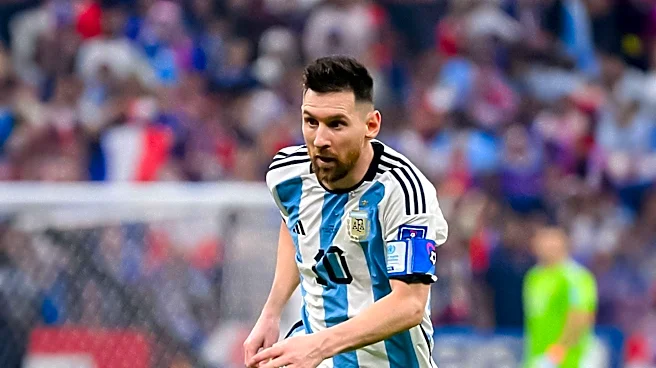
Let’s be honest: for all the purists’ complaints, shootouts make for incredible television and unforgettable stories. They are pure, uncut human drama. Think of Roberto Baggio's infamous miss for Italy in the 1994 final or Argentina's recent triumph in 2022. These moments are etched into soccer history. A shootout instantly creates a hero in the goal-scoring player or the save-making goalkeeper, and a villain in the one who falters. This simplicity is compelling. As the tournament progresses, the narrative could easily shift from celebrating the best overall team to obsessing over which players have the nerve to convert from the spot. The main story becomes not who played the best, but who survived the pressure cooker.
Are We Ready for a Shootout Champion?
This brings us to the ultimate question. What happens if a team navigates the expanded knockout bracket by winning multiple, or even all, of their matches on penalties? While technically a win is a win, a champion who relies so heavily on shootouts would undoubtedly spark a massive debate about legitimacy. Have shootouts become too influential? Does this reward defensive, anti-aspirational soccer? The recent history of the tournament shows their increasing prevalence, with at least four shootouts in four of the last five World Cups. If 2026 sees a champion crowned after a string of them, the penalty shootout itself won't just be a part of the story—it will become the entire conversation, forcing FIFA and fans alike to confront its central role in defining glory.