




A Deliberate Rejection of Excess
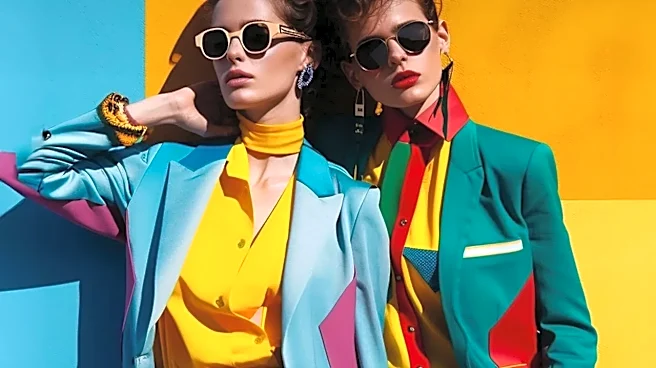
The 1990s didn't just happen; they were a direct and necessary reaction to the decade that came before. After years of 'more is more'—power shoulders, blinding sequins, and logo-mania—fashion craved a palate cleanser. The shift toward minimalism was a cultural
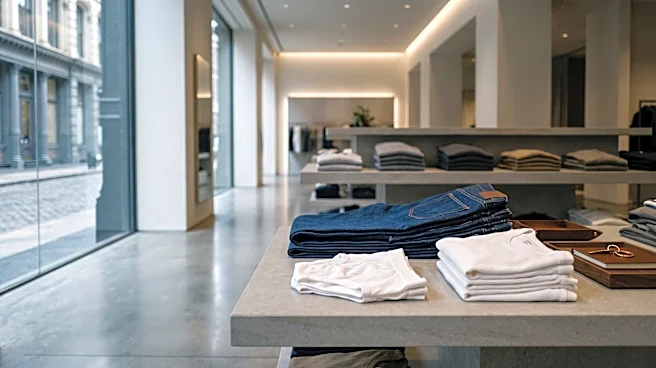
recalibration, moving away from conspicuous glamour toward a quieter, more refined approach to style. Designers like Calvin Klein, Helmut Lang, and Jil Sander became the architects of this new austerity, proposing a radical idea: what if clothes simply got out of the way? They championed sleek silhouettes, neutral palettes of black, white, and beige, and an emphasis on quality and tailoring over ornamentation. This wasn't just about aesthetics; it was a philosophy. If the '80s were about declaring your wealth, the '90s were about declaring your taste.
The Off-Duty Uniform
The supermodels of the era—Kate Moss, Naomi Campbell, Cindy Crawford, Christy Turlington—became the living embodiment of this new ideal, both on and off the runway. Their 'off-duty' style created the blueprint for an aspirational, yet achievable, wardrobe. It was a costume of elevated basics: the perfect white tank top, straight-leg denim, a simple slip dress, and a leather blazer. These weren't complicated looks. Cindy Crawford's airport ensemble of a black turtleneck and leather blazer from 1991 would look just as chic today. Kate Moss turned the simple slip dress into an icon of nonchalant cool. It's was about taking simple, almost utilitarian garments and making them magnetic through perfect fit and personal confidence. Designers like Donna Karan and Calvin Klein, in particular, translated this idea into a language that went far beyond the runway, creating a uniform for a new kind of modern woman.
The Most Important Accessory: Attitude
Ultimately, the clean lines and simple clothes were only half the story. The 'costume' was completed by the attitude of the women who wore it. The supermodels of the '90s weren't just walking hangers; they were personalities with charisma and power. Their presence was defined by an unapologetic confidence that didn't need the validation of flashy clothing. It was in Naomi Campbell's fierce, electric walk; Kate Moss's authentic nonchalance; and Christy Turlington's quiet, timeless grace. The '90s celebrated a form of beauty that felt more real and less manufactured, from the minimal makeup to the barely-styled hair. This ethos suggested that true style wasn't about the clothes performing, but about creating space for the wearer's own presence to shine through. It was a confidence that came from within, a quiet luxury that allowed the woman to be more important than what she was wearing.
Why the Look Endures
More than three decades later, the influence of '90s minimalism feels more relevant than ever. Its principles—quality over quantity, timelessness over trends, and the power of a well-curated capsule wardrobe—are the bedrock of modern style philosophies like 'quiet luxury'. The focus on impeccable tailoring and premium materials championed by designers like Jil Sander and Helmut Lang established a foundation for contemporary fashion that still resonates today. The aesthetic endures because it was never really about a fleeting trend; it was a sophisticated rejection of artifice. It proved that sensuality could be found in simplicity and that the most powerful statement is often the most understated one. The '90s supermodel look reminds us that style isn't just about what you wear, but how you wear it—and the confidence you bring to the simplest of garments.