





The Unspoken Rules of Wimbledon Style
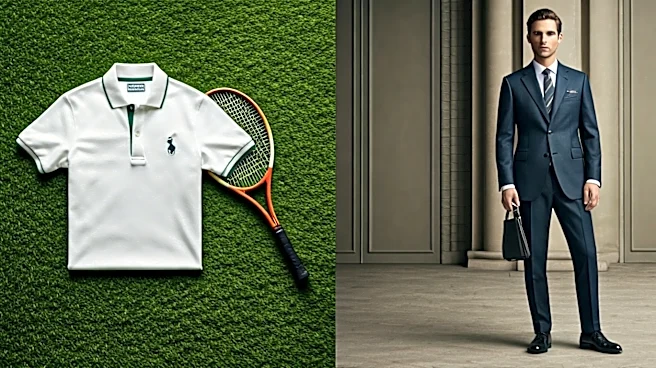
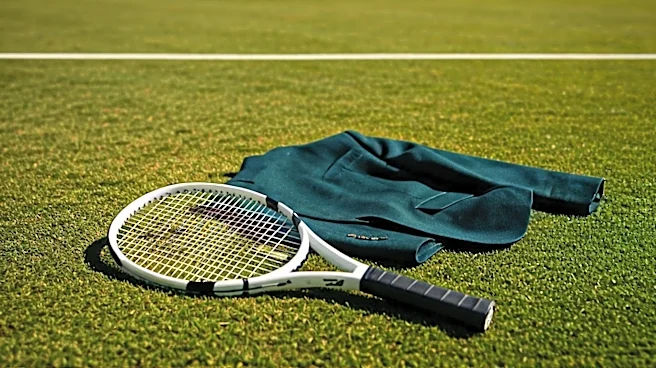
While players famously adhere to a strict all-white dress code, the rules for spectators are more of an unwritten agreement. The official guidance for most ticket holders is comfortably loose, forbidding items like torn jeans or sports shorts but leaving
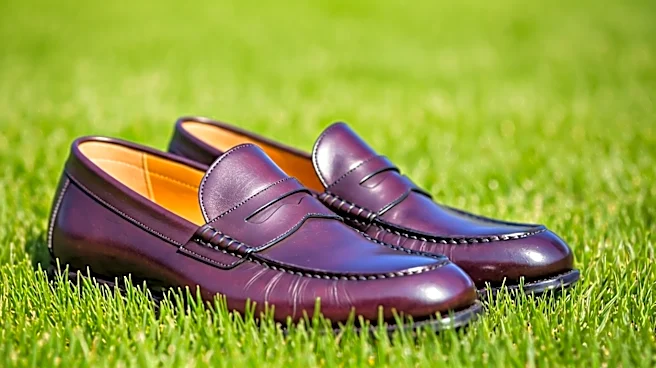
the rest to good taste. Yet, there’s a shared understanding, a collective nod to a certain aesthetic: smart casual with a British garden party twist. This is the land of Pimm’s on the lawn, strawberries and cream, and an air of relaxed sophistication. Men often opt for lightweight blazers and chinos, while women favor summer dresses and tailored separates. It’s less about rigid rules and more about embracing the spirit of an event that remains a bastion of traditional elegance in a fast-fashion world. The goal is to look polished but effortless, respecting tradition without looking like a costume.
A Brief History of the Boater
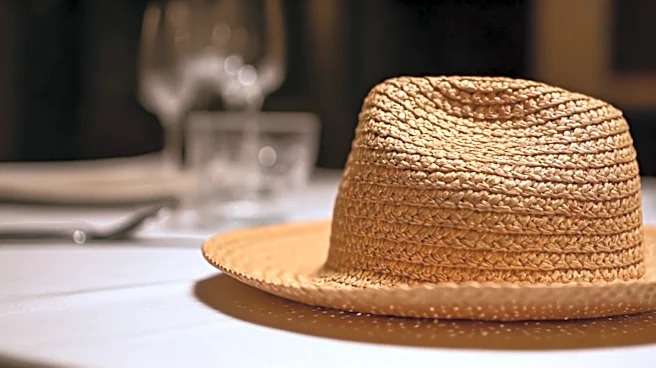
Before it can grace Centre Court’s stands, it’s worth knowing the boater’s pedigree. Its story begins not in England, but with Venetian gondoliers and their flat-topped straw hats, known as canotier. By the late 19th century, the style had been adopted by the British Royal Navy as practical summer headwear, cementing its association with boating. Soon, it jumped from working sailors to leisure culture, becoming the hat of choice for university rowing teams, seaside holidays, and men of all classes as a warm-weather alternative to the formal bowler. Its golden age was the 1890s through the 1920s, a semi-formal staple that signified the start of summer. This history gives the boater an impeccable resume for Wimbledon: it is rooted in sport, leisure, and classic European summer style.
Bending the Rules, Not Breaking Them
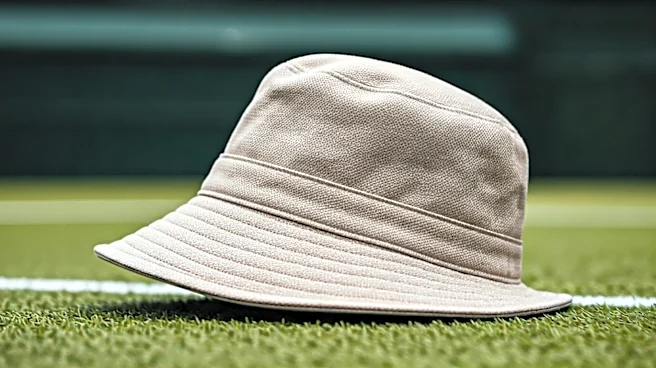
So where does the “rule-bending” come in? Wimbledon’s guidance subtly discourages oversized hats that might block another spectator’s view. The boater, with its crisp, flat brim, is the perfect answer. It offers sun protection without the dramatic, view-eclipsing silhouette of a wide-brimmed sun hat. It’s a confident, structured accessory in a world of softer shapes. The hat’s semi-formal nature is its true genius. It’s not as stuffy as a formal men’s hat from a bygone era, nor is it as casual as a panama hat or a baseball cap. It occupies a unique, stylish middle ground that perfectly captures the modern Wimbledon aesthetic—respectful of the occasion’s history but with a dash of contemporary flair. Wearing one is a nod to the past, a quiet statement of sartorial confidence.
From Centre Court to Post-Match Dinner
The true test of a great accessory is its versatility, and this is where the boater excels. It’s an item that transitions seamlessly from a sun-drenched day watching tennis to an elegant dinner afterward. For a classic masculine look, pair it with a navy blazer, a crisp shirt, and light-colored trousers. For a more feminine style, a boater provides a wonderful contrast to a flowing floral dress or a tailored jumpsuit, adding a touch of structured sharpness to a softer silhouette. The key is to let the hat be a statement piece without overwhelming the outfit. It sits neatly atop the head, traditionally worn flat and slightly forward, projecting an air of jaunty elegance. Whether you’re on Henman Hill or in a hospitality suite, the boater works, and it will still feel perfectly appropriate as you sit down for a meal later that evening.