
The Unofficial Exhibition
Each October, as London becomes the epicenter of the art market, the fairgrounds in Regent's Park transform into a temporary city for collectors, gallerists, artists, and spectators. While the official
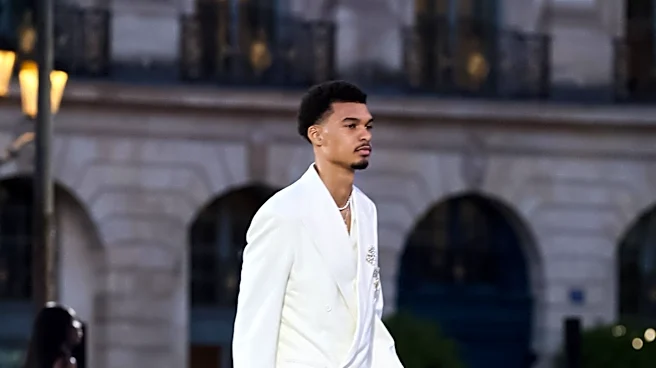
draw is the art—with galleries like Gagosian and Sadie Coles HQ presenting their best—an unofficial exhibition is happening in parallel. It's a 'fashion week for the art world,' as some have called it, where personal style is a key part of the experience. The outfits on display are a curated mix of architectural silhouettes, bold color choices that rival the paintings, and luxurious, logo-less pieces that signal a quiet confidence. This isn't just about looking good; it's about participating in a visual culture where every choice, from a sculptural handbag to a pair of sensible (yet stylish) flat shoes, contributes to the overall aesthetic.
A Dialogue Between Wardrobe and Wall
The most interesting moments occur when clothing enters into a direct conversation with the art. A visitor in a minimalist beige trench coat might stand before a chaotic, vibrant abstract painting, their quiet attire making the artwork feel even louder. Elsewhere, someone's geometrically patterned jacket might subtly echo the precise, linear compositions of a nearby Carmen Herrera painting on view at Lisson Gallery's booth. This interplay turns the entire fair into a dynamic visual field. It’s a place where the line between the observer and the observed blurs. The fashion choices aren't merely a backdrop; they actively frame, complement, or even challenge the art, creating fleeting compositions that are as compelling as the curated works themselves.
Performance, Status, and Self-Expression
So, what drives this sartorial spectacle? It's a complex blend of performance, social signaling, and genuine self-expression. For some, dressing for Frieze is a form of performance art, a way to embody a certain creative persona. For others, it's about signaling their place within the art world's notoriously opaque hierarchy. An impeccably tailored but understated suit might belong to a blue-chip gallerist, while a more avant-garde ensemble could mark a rising artist or curator. The 'well-heeled spectators,' as one publication described them, are a diverse crowd, from 'punks' to 'bohos,' all adding to the visual mix. In this environment, clothing becomes a tool for communication, expressing everything from one’s aesthetic sensibility to their professional standing before a word is ever spoken.
The Serious Business of Looking
Despite the high fashion on display, there's a practical undercurrent. Frieze is a massive event, and covering its expanse is an 'endurance sport'. Because of this, seasoned attendees know that comfortable footwear is non-negotiable. The serious players—the collectors and advisors there to do business—are often spotted in stylish sneakers or chic flats, a pragmatic choice for a day that involves miles of walking. This blend of high-concept fashion with down-to-earth practicality is part of the unique Frieze aesthetic. It’s a scene fueled by champagne and high-stakes commerce, but grounded by the physical reality of navigating a sprawling fair. It demonstrates that while looking the part is important, being able to see all the art is the ultimate goal.