



The Million-Dollar Question: Is It Scary Enough?
Before a horror film ever makes it to the multiplex for its Halloween debut, its two-and-a-half-minute trailer acts as its most important audition. In a crowded market, a trailer has one job: to convince audiences that this particular journey into the dark
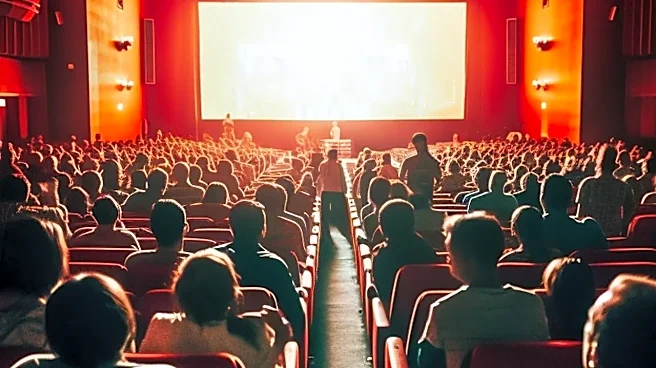
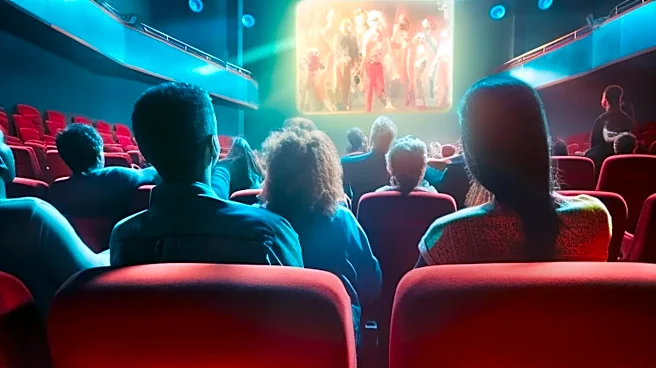
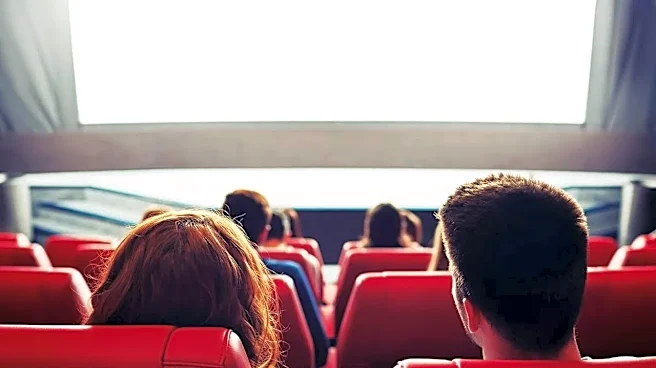
is worth their time and money. Studios can't afford to guess. This is where audience testing comes in. By showing different cuts of a trailer to a selected group of viewers, marketers can get crucial data on what works. The process is a form of market research designed to gauge audience reaction and maximize financial returns. Is the story clear? Is the tone right? And most importantly for horror, are the scares landing? The feedback gathered is brutally honest and emotionally detached, providing filmmakers with an unvarnished look at whether their carefully crafted tension is actually terrifying or falling flat.
The Science of the Scare
Modern trailer testing goes far beyond simple questionnaires. While surveys asking about plot clarity, character appeal, and purchase intent are still standard, the real innovation is in measuring what audiences can't or won't articulate. Some studios and research firms now use biometrics to capture involuntary physical reactions. This can involve tracking facial expressions for smiles or frowns, or even using wearable sensors to monitor heart rate and skin conductivity. One new platform called ScareScore, which debuted in October 2026, uses smartwatches to measure viewers' physical fear responses in real time, providing filmmakers with objective data on which moments created the biggest spikes in tension or shock. This removes the bias of self-reporting; a viewer might claim they weren't scared, but their heart rate tells a different story. This data allows editors to see, on a second-by-second basis, if a jump scare is effective or if a slow-burn atmospheric scene is successfully building dread.
From Feedback to Final Cut
Once the data is collected—whether from written feedback, focus group discussions, or biometric readings—the real work begins. Marketing teams and editors analyze the results to make critical adjustments. If a test audience finds the plot confusing, more expository shots might be added. If a particular scare consistently fails to startle, it might be recut with different sound design or replaced entirely. This process often involves A/B testing, where two different versions of a trailer are shown to separate audiences to see which performs better. The changes can be subtle: swapping the opening shot, altering the music, or changing the order of scenes can have a significant impact on engagement. For horror, the feedback also helps find the perfect balance in what to reveal. The genre's golden rule is often 'don't show the monster,' but a trailer still needs to hint at the threat. Testing helps marketers determine if they've found the sweet spot between intriguing mystery and frustrating vagueness.
The Art of the Unspoiled Surprise
Ultimately, the goal of testing a horror trailer is not just to create fear, but to protect the integrity of the movie itself. Horror relies on surprise more than any other genre. A trailer that gives away the final twist or the best kill cheapens the theatrical experience. Audience feedback helps identify which moments are crucial to the marketing hook and which are better left as surprises. Sometimes, the most effective marketing comes from showing the audience's reaction rather than the on-screen horror, a technique popularized by the 'Paranormal Activity' franchise. By seeing others scream, potential viewers become intensely curious about what caused the reaction. This turns the audience itself into a marketing tool. Testing ensures that the final trailer that plays before your feature presentation is a sharpened weapon, designed not to tell you the whole story, but to make you desperately want to find out what happens when the lights go down.