






The Plan Before the Panic
That 30-minute scramble between sets doesn't start when the first roadie steps on stage; it begins weeks, sometimes months, in advance. The key to a seamless transition is relentless preparation. Each band's management submits a detailed technical rider,
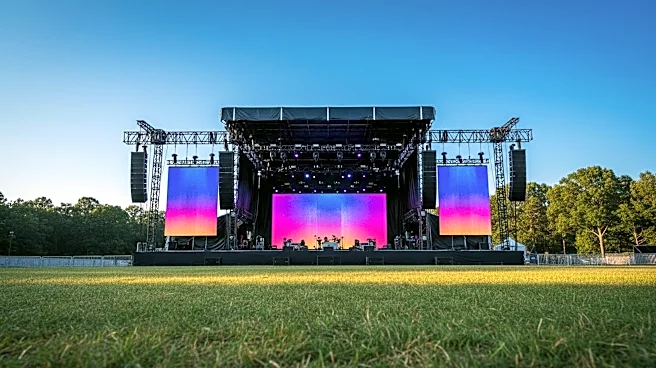
a document outlining everything from stage plots and gear lists to specific microphone preferences. A festival production manager and a stage manager take these dozens of documents and create a master plan. They are the generals, mapping out a battle plan that dictates where every piece of equipment will go, who will move it, and when. The goal is to standardize as much as possible—using a shared 'backline' of amps and a house drum kit—while still accommodating each artist's unique needs. Every minute of the changeover is scheduled before the first fan even enters Golden Gate Park.
The Stage Becomes a Pit Stop
As the outgoing band's final notes fade, a team of stagehands, all clad in black, materializes from the wings. It’s a scene best described as a NASCAR pit stop for rock and roll. Their movements are practiced and precise, born from repetition and shouted commands. This crew is a collection of specialists. Backline technicians are responsible for the instruments—guitars, basses, keyboards, and drums. Audio techs handle the hundreds of cables and microphones, ensuring every sound is captured. Lighting and video techs are simultaneously working to load the next artist's visual and lighting cues into the system. It’s a flurry of activity, but it's organized chaos, with each person executing their specific role in a designated zone of the stage.
The Magic of Rolling Risers
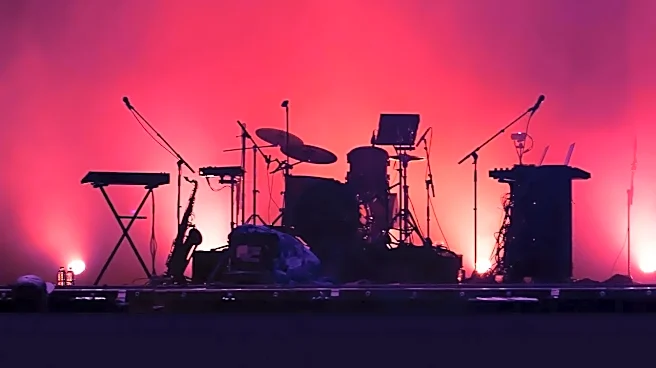
The single greatest innovation in rapid-fire set changes is the rolling riser. Instead of breaking down a drum kit piece by piece—a process that could take an hour—the entire kit is pre-assembled on a large platform with wheels. While one band is playing, the next band’s drum kit, keyboard rig, or DJ setup is being built on its own riser just offstage. During the changeover, the previous band's riser is simply rolled off, and the new one is wheeled into its exact, pre-marked position and locked down. This modular approach is the heart of the modern festival changeover, turning a massive logistical challenge into a simple, elegant swap. What used to be the most time-consuming part of the process now happens in just a few minutes, allowing crews to focus on the finer details.
Patching, Checking, and Going Live
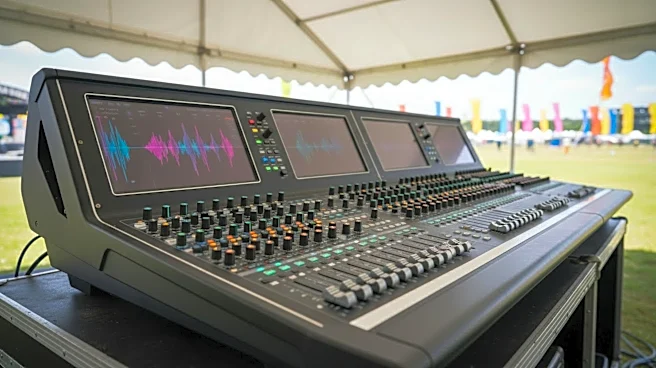
With the heavy gear in place, the technical ballet begins. Audio engineers dive into the 'patch,' plugging dozens of microphone and instrument lines into a stage box that feeds the main soundboard. Each line has to be connected to the correct channel. While this happens, a backline tech performs a 'line check.' You'll see them tap each microphone or hear a quick strum of a guitar. This isn't a soundcheck for volume, but a quick test to confirm that a signal is getting from the stage to the engineer. Every input is checked in rapid succession. At the same time, setlists are taped to the floor, fresh towels are laid out, and water bottles are placed at each microphone stand. The stage manager keeps a constant eye on the clock, communicating with the front-of-house engineers and lighting director to ensure everyone is ready.
The Final Countdown
In the final minutes, the stage is cleared of everyone but the essential technicians making last-second adjustments. The stage manager does a final sweep, ensuring all pathways are clear and everything is safe for the performers. They are in constant communication with the artist's tour manager, who is waiting in the wings with the band. With a final confirmation from all departments—audio, lighting, video, and backline—the stage manager gives the signal. The house music fades, the stage lights flare to life, and the next band walks out to a roaring crowd, often with just seconds to spare. The 30-minute miracle is complete, and for the crew, the clock immediately resets for the next changeover.