





First, A Quick Psychology 101
Let's quickly demystify attachment theory. Developed by psychologist John Bowlby in the mid-20th century, it’s not as complicated as it sounds. The core idea is that humans are born with an innate need to form strong emotional bonds with their primary
caregivers. This bond provides a 'secure base' from which a child can explore the world. When that connection feels threatened—by separation, loss, or abandonment—we experience deep distress. It's the fundamental push-and-pull of our earliest relationships: the comfort of connection versus the terror of being left behind. Sound familiar? It should. This is the entire emotional engine of the *Toy Story* franchise.
Woody as the Ultimate 'Secure Base'
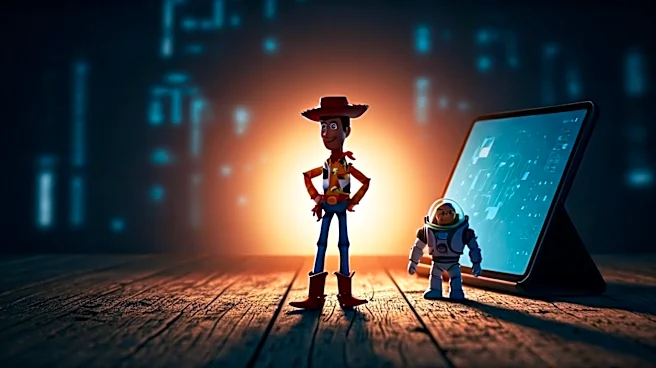
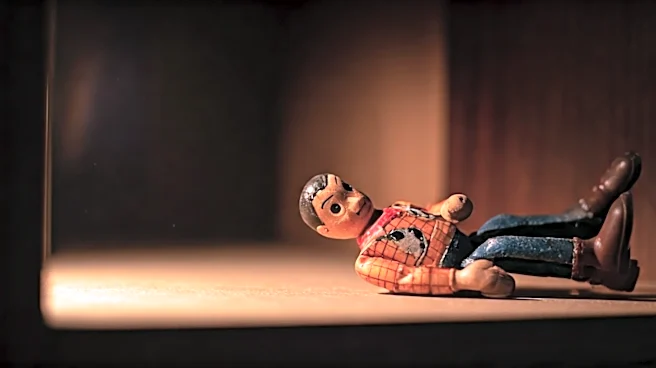
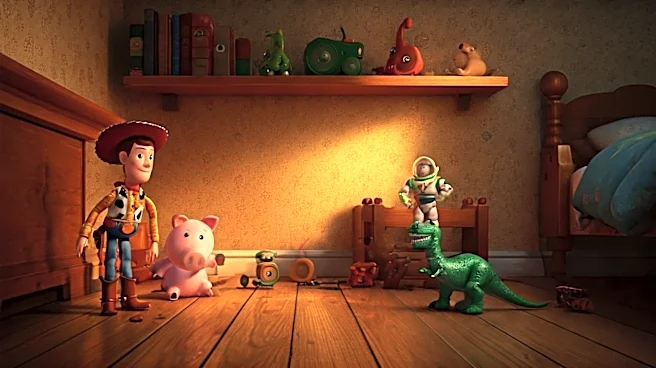
From the very first film, the toys aren’t just playthings; they are Andy’s constant, reliable companions. Woody, in particular, functions as a classic attachment figure. He provides comfort, security, and a sense of order in Andy's room. The central anxiety of *Toy Story* and *Toy Story 2* isn't just about being a toy; it's about separation anxiety. The toys' greatest fear is being lost, replaced (hello, Buzz Lightyear), or abandoned. When Sid blows up toys or Al steals Woody for his collection, the films tap into our primal fear of having a cherished bond violently severed. For a child, losing a favorite toy can feel like a genuine loss, and the films validate that feeling by giving the toys a voice.
The Masterpiece of 'Letting Go'
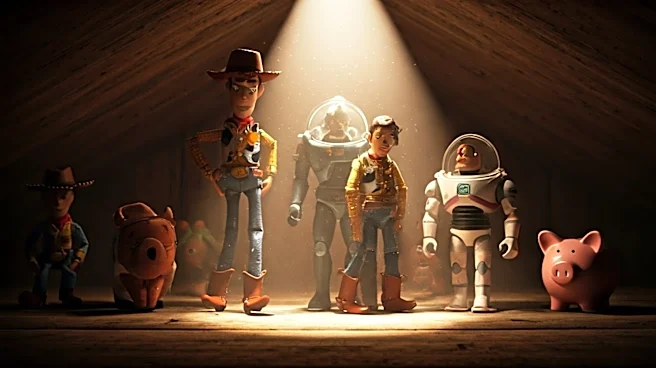
This brings us to the scene that emotionally leveled an entire generation of millennials: the end of *Toy Story 3*. Andy, on the cusp of adulthood, must leave his secure base behind. The film brilliantly frames this from both sides. We see Andy’s reluctance to part with his childhood friends and the toys' terror of being relegated to the attic—the symbolic death of their purpose. But the genius of the ending is the 'handover.' Andy doesn't just discard his toys; he carefully and lovingly transfers their attachment to a new child, Bonnie. He explains each one's importance, ensuring their story will continue. For adults watching, this is a gut-punch of recognition. We understand that growing up requires letting go of old attachments to form new ones. The tears we shed aren't just for the toys; they're for our own bittersweet goodbyes.
Woody's Mid-Life Crisis
If *Toy Story 3* was about the child letting go, *Toy Story 4* is about the attachment figure finding a new identity after being let go. Woody’s journey with Bonnie is one of diminishing purpose. He’s no longer the favorite; he’s a dusty relic in the closet. His existential crisis—'What is my purpose if not to be played with by my kid?'—is an incredibly adult theme. His decision to leave Bonnie and the gang to live a new life with Bo Peep as a 'lost toy' represents a profound shift. It’s the story of a parent whose kids have grown up, a worker who has been made redundant, or anyone forced to redefine themselves after their primary role in life has changed. It explores the complex idea that our attachments don’t just serve others; they give us our own sense of self.
So, Why Will 'Toy Story 5' Work?
With a fifth movie on the horizon, Pixar isn't just cashing in on nostalgia. It’s tapping into a deep, renewable emotional resource. The filmmakers understand that the story's power comes from these core attachment themes. *Toy Story 5* can explore any number of new angles that will resonate with an adult audience. Will it follow Buzz and the gang as they navigate life with a growing-up Bonnie, mirroring the cycle Andy went through? Will it check in on Woody’s new, independent life, exploring themes of freedom and chosen family? Whatever the plot, the film will almost certainly center on connection, belonging, purpose, and the anxiety of losing it all. As long as the story honors those fundamental human needs, it will find a way to connect with the part of us that still remembers the profound importance of a favorite toy—and the person we were when we loved them.