






The Siren Song of Single Elimination
Let’s be honest: the appeal of the knockout stage is obvious. There are no second chances, and the tension is palpable. Every match feels like a final, where one mistake can send a team home. It’s clean, brutal, and easy to follow. A winner goes on, a loser
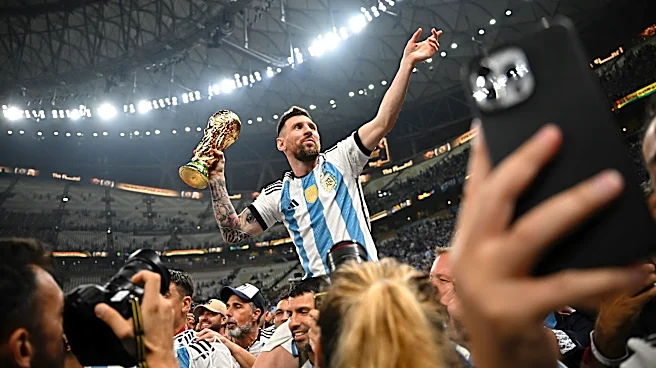
goes home. This is the part of the tournament that creates legendary, high-stakes moments like penalty shootouts that test the nerves of superstars and fans alike. This simple, high-stakes drama is what draws in millions of viewers who might not follow the sport week in and week out. The group stage, with its complicated tables, tiebreakers, and second chances, can feel like a drawn-out prologue by comparison.
The Realm of Pure Chaos and Hope
The magic of the group stage is that it's the only part of the tournament where hope and chaos reign supreme. This is the underdog's paradise. Think of Saudi Arabia stunning eventual-champion Argentina in 2022, or Cameroon defeating a Diego Maradona-led Argentina in 1990. These shocks rarely happen in the later rounds when the powerhouse teams have found their rhythm. The group stage allows for these moments because teams have a chance to recover from an early setback. A single loss doesn't mean elimination, which paradoxically creates a space for fearless, giant-slaying performances. It’s where a tiny nation can get a historic result against a titan, giving their fans a moment of glory that lasts a lifetime, regardless of what happens next.
The Unseen Tactical Chess Match
While casual viewers see a series of disconnected games, hardcore fans and coaches see a three-game chess match. The group stage isn't just about winning; it’s about advancing. A team that gets a big win in their first match might rest key players in their third. A team that loses their opener might have to throw caution to the wind and attack relentlessly. This phase rewards strategic thinking over a 270-minute arc, not just a 90-minute sprint. It forces coaches to manage player fatigue, yellow card accumulations, and goal difference. It’s a completely different tactical challenge than the knockout rounds, rewarding consistency and planning over a single burst of brilliance.
When Every Goal Changes Everything
The true, underrated genius of the group stage is the final matchday, when both games in a group kick off simultaneously. This is where the drama becomes symphonic. A single goal scored in one stadium can completely alter the fate of a team playing a hundred miles away. Fans are glued to their phones, frantically calculating goal difference and tiebreakers. A team can be advancing at the 85th minute, eliminated at the 88th, and then saved by a last-second goal in the other game. This interconnected chaos is unique to this phase of the tournament. The knockout rounds are a simple duel; the final group stage matches are a four-way Mexican standoff where every twitch matters. The rule ensuring this drama was ironically born from a controversy in 1982, but it has since become the source of the tournament's most complex and compelling moments.