

5. The Awkward Trickle-In
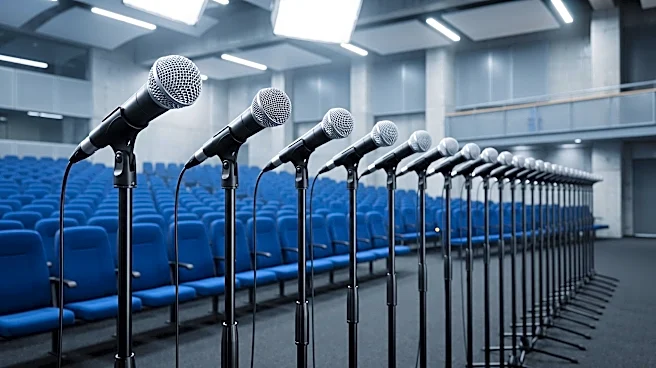
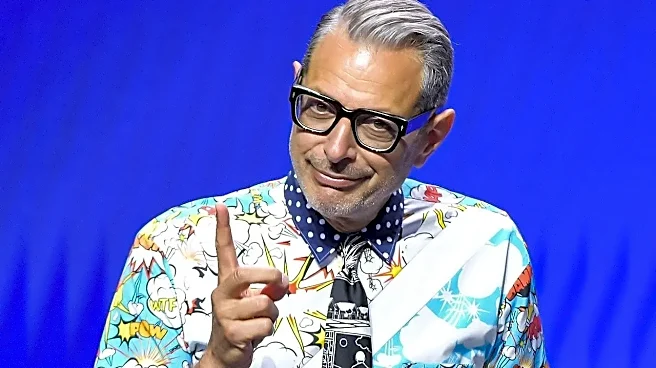
You know this one. The moderator announces a name, the crowd goes wild, an actor walks out, waves, and finds a seat. Then… silence. A long, ten-second pause as the applause dies and everyone just sits there. Then the next name is called. This format,
the slow, sequential entrance with zero overlap, is an energy-killer. Each pause deflates the room, forcing the crowd to rebuild the hype from a dead stop for every single cast member. While it gives each actor their individual moment, the stilted pacing makes the whole affair feel disjointed and low-energy. It’s like trying to start a wave in sections. By the time the final star arrives, the initial burst of excitement has been replaced by polite, almost fatigued, applause.
4. The Full Ensemble Flood
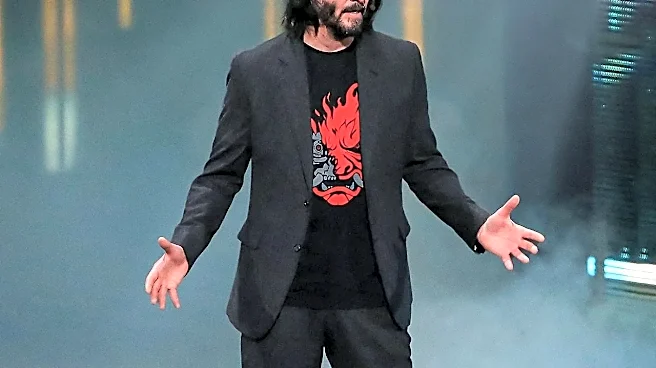
On the opposite end of the spectrum is the 'everyone out at once' approach. The moderator might say, “Please welcome the cast of ‘Galactic Guardians 7’!” and the entire ensemble pours onto the stage from the wings. It’s efficient, sure. It gets everyone seated quickly so the Q&A can begin. But it’s also pure chaos. Who do you cheer for? Your eyes dart from the lead actor to that beloved supporting character to the surprise showrunner, and you can’t properly appreciate any of them. It’s a sensory overload that paradoxically feels underwhelming. No one gets a true hero’s welcome; instead, it’s a jumble of bodies finding their assigned seats. The moment is over before it even has a chance to land, sacrificing individual star power for logistical speed.
3. The Tandem Team-Up
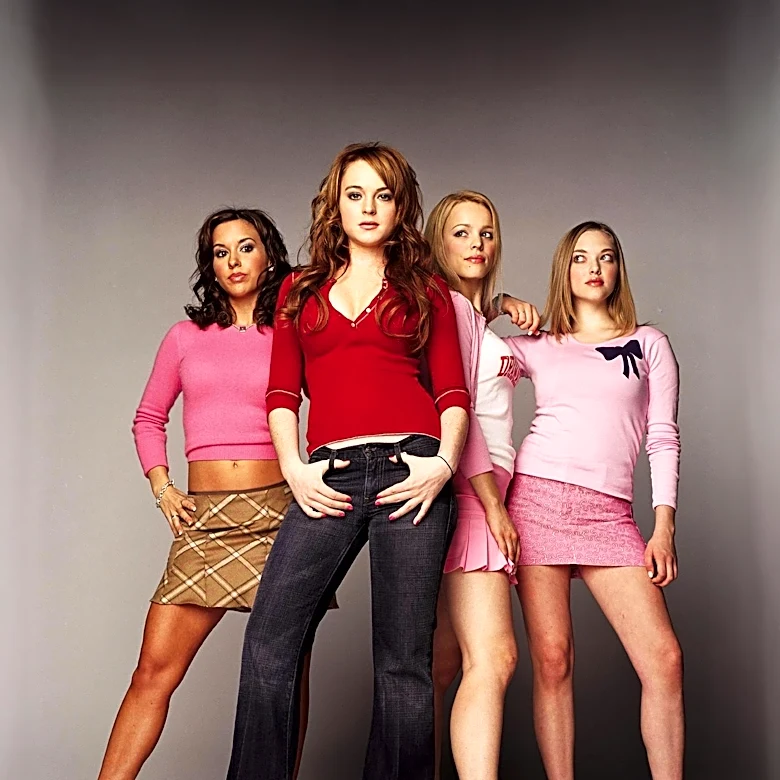
This method shows a little more finesse. Instead of individuals or a full mob, the cast is introduced in small, curated groups. Think of the on-screen best friends walking out together, or the hero and their arch-nemesis sharing a playful shove on their way to the couch. This format is a nod to the fans who understand the character dynamics. It creates fun, meme-able mini-moments and reinforces the relationships that make the show compelling. It’s a solid middle-ground approach that keeps the energy up while adding a layer of insider fun. The only downside is that it can sometimes feel a bit too choreographed, but when it works, it’s a genuine delight that honors the story, not just the actors.
2. The Classic Solo Build-Up
There’s a reason this is the go-to format for the biggest panels. It’s a masterclass in building dramatic tension and delivering fan service. The moderator starts with the supporting cast, each getting their own song, their own roar from the crowd, and their own walk to the stage. With each new introduction, the energy in the room escalates. The applause for one actor bleeds into the anticipation for the next. By the time the final, top-billed star is announced, the room is at a fever pitch. This is the format that gives everyone their due, from the fan-favorite sidekick to the global superstar. It’s a performance in itself, a perfectly paced crescendo that makes the assembled cast feel like the rock stars they are in that room. It respects the hierarchy of stardom while ensuring every single person gets their moment in the spotlight.
1. The Surprise Reveal
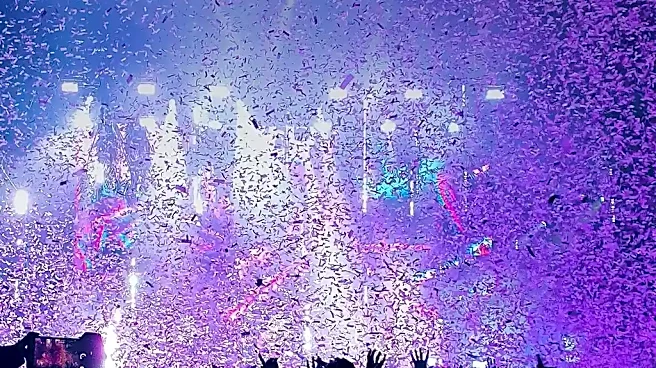
This is the Holy Grail of panel introductions, the one fans talk about for years. It often starts as a Classic Solo Build-Up, with the known cast members taking the stage. The moderator might even feign moving on, saying, “And that’s the amazing cast!” The audience applauds, thinking the introductions are over. Then comes the turn. “Oh, but we have one more surprise for you…” The lights change, a new theme song hits, and out walks an unannounced legend, a long-lost character, or the actor just cast as the iconic next villain. The resulting explosion of sound is genuine, unfiltered shock and joy. It’s a move that shows a deep understanding of fandom, rewarding their investment with a truly unforgettable moment. It transcends a simple introduction and becomes a core memory of the Comic Con experience itself.