


The Ultimate Rebranding Stage
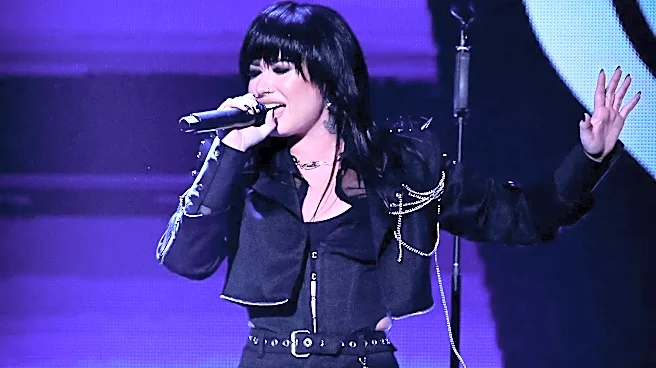
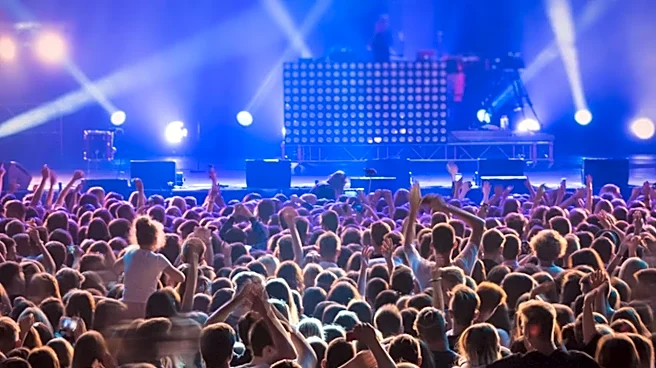
Forget a press release or a cryptic social media post. For a musician, the most potent way to announce a new chapter is through a powerful visual transformation, and there is no better stage for this than a major music festival. With tens of thousands
of fans watching in person and millions more following online, festivals like Coachella have become ground zero for artistic rebirths. The sheer scale of the media attention—from professional photographers to endless fan-shot content on TikTok and Instagram—guarantees that a new hairstyle, color palette, or silhouette will be seen, analyzed, and disseminated globally within minutes. This instant, massive exposure makes a festival appearance the ideal moment to pivot, leaving an old identity behind and introducing the world to the new one. It's a calculated move that leverages the festival's built-in hype to launch not just a new single, but a whole new universe.
The Visual Language of a New Sound
An artist's styling is rarely arbitrary; it's a carefully curated set of symbols designed to communicate the themes of their new music. Think of it as a sonic mood board brought to life. When Beyoncé embraced a disco-infused, chrome-and-silver aesthetic for her 'Renaissance' era, the fashion was a direct reflection of the album's tribute to Black queer dance culture and its futuristic, celebratory sound. The metallics and sparkles symbolized resilience and joy, while the entire look created a cohesive world for the music to live in. Similarly, Taylor Swift's 'Eras Tour' is a masterclass in visual storytelling, with each album era represented by a distinct wardrobe. The romantic pastels of 'Lover' give way to the dark, snake-emblazoned bodysuits of 'Reputation,' visually guiding fans through her discography and its emotional arcs. This intentional use of fashion turns clothing into a key part of the narrative, reinforcing the music's message before a single note is played.
World-Building Through Wardrobe
A new stylistic era is about more than just clothes; it’s about building a whole world for fans to inhabit. The visual identity previewed at a festival sets the tone for everything that follows: album art, music videos, tour stage design, and merchandise. This cohesion creates a powerful and immersive brand. When an artist partners with a specific designer, like Beyoncé honoring Juneteenth by wearing all Black designers or highlighting designers from the countries she visited on tour, it adds another layer of meaning. These choices aren't just aesthetic; they are statements of values and cultural alignment. This approach transforms fans from passive listeners into active participants in the new era. They adopt the colors, buy the associated merch, and effectively become walking billboards for the artist’s new identity, signaling their belonging to the tribe. The fashion becomes a uniform for a new cultural moment.
An Invitation to Evolve
Ultimately, when an artist changes their style, it serves as an invitation to their audience. It signals that they are evolving and asks fans to come along for the journey. For long-established artists, a stylistic shift can be a way to stay relevant, capture a new generation of listeners, and prove their creative vitality. For newer artists, it’s a way to carve out a distinct identity in a crowded industry. In today's visual culture, where an artist’s image is as important as their sound, fashion is a critical tool for storytelling. A dramatic haircut, a bold new color scheme, or a shift from streetwear to couture is a clear and immediate signal that things are about to be different. It’s a promise of new sounds, new stories, and a new identity, all launched from the most visible platform in modern music: the festival stage.