










The Weight of the Crown
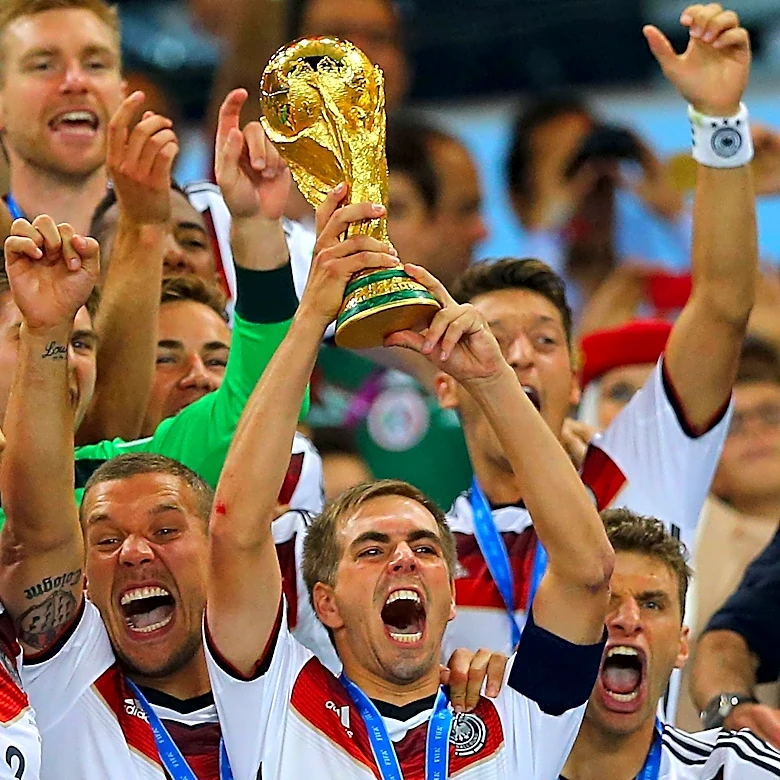
There’s a unique psychological burden that comes with being the world champion. Every friendly becomes a must-win for the opposition; every qualifier is a chance for a rival to measure themselves against the best. The hunger that fueled Argentina's historic
Copa América and World Cup run—the desperate need to win for Lionel Messi, for a nation starved of glory—cannot be replicated. It has been satisfied. The challenge now is different. It’s no longer about the climb; it's about surviving the summit, where the air is thin and everyone is trying to pull you down. Coach Lionel Scaloni's first task was to acknowledge this shift. Instead of pretending the same fire could burn, he had to find a new fuel source: the pride of defending the title, the professionalism of maintaining a standard, and the quiet confidence that comes from having already proven everything.
The 'Scaloneta' Management Style
The secret to Argentina’s resilience lies with its unassuming coach. Lionel Scaloni’s system, affectionately nicknamed the ‘Scaloneta,’ was built on pragmatism, humility, and fierce loyalty. Post-championship, that system has become an exercise in ego management and strategic evolution. Scaloni has masterfully handled the pressure by refusing to stand still. He rotates his squad, giving meaningful minutes to fringe players to keep the established stars on their toes. He isn't afraid to make tough calls, as seen by his willingness to sideline players who aren't at peak form, regardless of their reputation. This approach sends a clear message: the team is the star, not any individual player. By constantly tweaking formations and personnel based on the opponent, he prevents complacency from setting in. The group that won the World Cup is revered, but it is not a closed circle. Performance, not history, is the only currency that matters.
Messi, The Serene Leader
Perhaps the biggest change is in the team’s iconic captain. The pre-2021 Lionel Messi was often a tense, burdened figure, visibly weighed down by the nation's expectations. The post-2022 Messi is entirely different. Having achieved the one prize that eluded him, he plays with a palpable sense of freedom and joy. This tranquility has a profound effect on the team. He is no longer just the primary creator but the emotional anchor. When the pressure mounts in a tight game, the squad can look to a captain who has seen it all and fears nothing. He leads not with frantic desperation but with a calm, almost regal, authority. His willingness to play a supporting role when needed, to facilitate for teammates like Julián Álvarez or Lautaro Martínez, underscores the team-first ethos. He’s teaching them how to be champions by showing them how a champion behaves: with grace, confidence, and a quiet determination to keep winning.
Blood, Sweat, and New Talent
A key part of handling the pressure is ensuring the team is not a museum piece, perfectly preserved from its moment of triumph. Argentina is actively blooding new talent. While veterans like Ángel Di María are still crucial, the integration of the next generation is relentless. Youngsters like Manchester United's Alejandro Garnacho and Inter Milan's Valentín Carboni are being brought into the fold, not just to carry water but to challenge for spots. This serves two purposes. First, it creates internal competition that keeps the World Cup-winning core hungry and sharp. Second, it sends a message to the world that Argentina is building for the future, not just defending the past. This forward-thinking approach ensures the talent pool remains deep and that the team’s identity can evolve. They are not just the team that won in Qatar; they are a living, breathing project that continues to grow.