






An Unwavering Quest for Identity
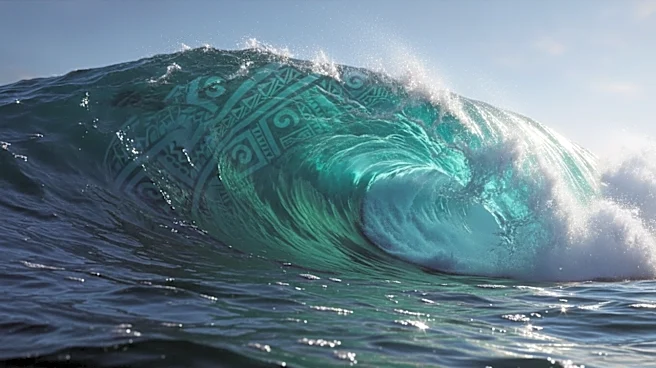
From the very beginning, Moana establishes a single, powerful driving force for its protagonist: a quest to understand who she is. The central conflict isn't just about a dying island; it's about the tension between Moana's duty to her people as a future
chief and the undeniable pull she feels toward the forbidden ocean. This internal struggle—the classic "who am I?"—is the engine of the entire plot. Unlike other stories that might get bogged down in multiple subplots, every major event in Moana serves to test, challenge, or affirm her evolving identity. Her journey isn't just to find a demigod; it's to find herself.
No Distractions, No Detours
One of the most radical things about Moana's story is what it leaves out. There is no forced romantic subplot to distract from the main character's development, a notable departure for a Disney feature. Her relationship with the demigod Maui is one of partnership and mentorship, not romance. Even Maui’s own significant character arc—grappling with his past and self-worth—ultimately serves Moana’s journey. He is a crucial part of her story, but the narrative never forgets that he is the B-story; the A-story is Moana's alone. This disciplined storytelling keeps the emotional spine clean and strong. Every challenge, from escaping the Kakamora to confronting Tamatoa, forces Moana to grow into the leader and wayfinder she is meant to be.
The Power of 'I Am Moana'
The film’s climax is the ultimate payoff for this focused approach. After facing failure and near-despair, Moana’s turning point isn’t a sudden discovery of a new power, but a quiet, powerful reaffirmation of her identity. Guided by the spirit of her grandmother, she doesn't just accept her mission; she chooses it, singing, "I am Moana!" This declaration is the culmination of her entire journey. It transforms the ocean's call from an external pull into an internal conviction. This self-actualization gives her the strength to face Te Kā not with violence, but with understanding.
Healing, Not Defeating, the Villain
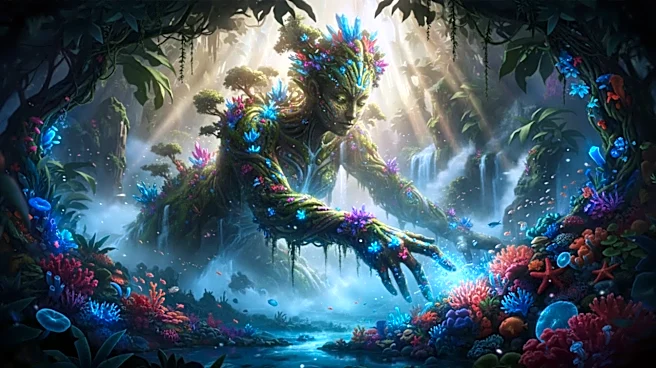
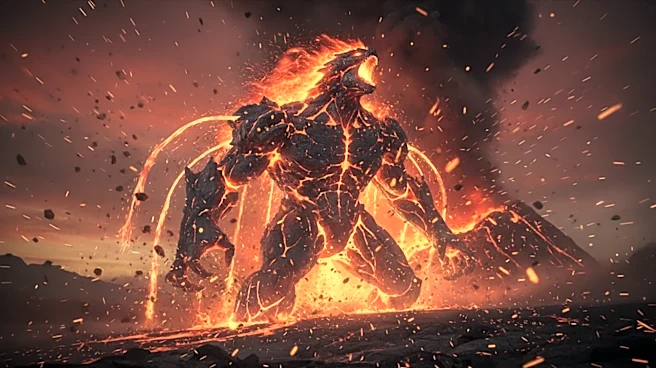
The final confrontation is perhaps the most brilliant result of this clean emotional spine. Moana realizes that the lava monster Te Kā is actually a corrupted Te Fiti, a goddess whose heart was stolen. Her mission isn't to defeat a monster, but to heal a wound. When she sings, "This does not define you. This is not who you are," she is offering Te Fiti the same grace she has just found for herself. It’s a moment of profound empathy that stems directly from her own journey of identity. The story resolves not with a great battle, but with an act of recognition and restoration, reinforcing the film's central theme that true strength lies in knowing who you are.