

More Than Just an Outfit
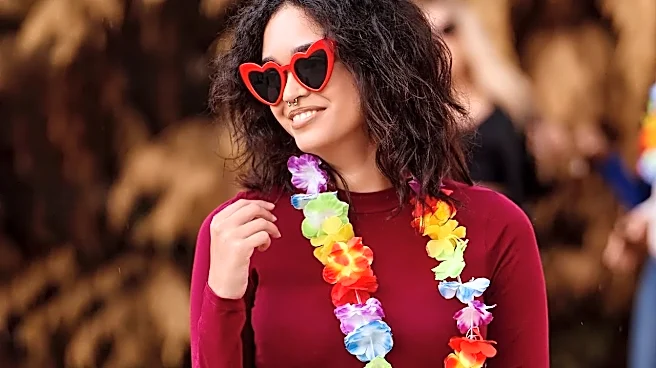
Festival fashion has always been a spectacle of self-expression, a chance to wear the glitter, mesh, and neon that doesn’t quite fit into daily life. But a deeper trend has taken root, shifting focus from off-the-rack spectacle to personal, handcrafted
statements. These fan-made accessories—often quirky, intricate, and deeply personal—serve as wearable icebreakers. They signal your niche within a larger subculture, whether it’s your favorite DJ, a beloved movie, or an inside joke from a corner of the internet. This isn't just about looking cool; it's about being seen for what you love. An interesting hat or a custom-made jacket gives people a reason to approach you, turning a simple compliment into a genuine conversation. In a crowd of thousands, these items are a way of saying, "We might like the same things. Let’s connect."
The Currency of Connection: Kandi Culture
Nowhere is this phenomenon more codified than in the electronic dance music (EDM) scene with its tradition of “kandi.” These colorful pony bead bracelets are more than just jewelry; they are tokens of friendship and goodwill. Rooted in the rave culture of the 1990s, kandi is handmade and traded between festival-goers, often with a special handshake, as a physical representation of the scene's core philosophy: Peace, Love, Unity, and Respect (PLUR). The act of trading is a ritual of connection. One person might spend hours creating a complex cuff bracelet, not for themselves, but for a future friend they haven't met yet. This tradition transforms a simple accessory into a symbol of shared identity and belonging within the rave community.
Friendship Bracelets Go Mainstream
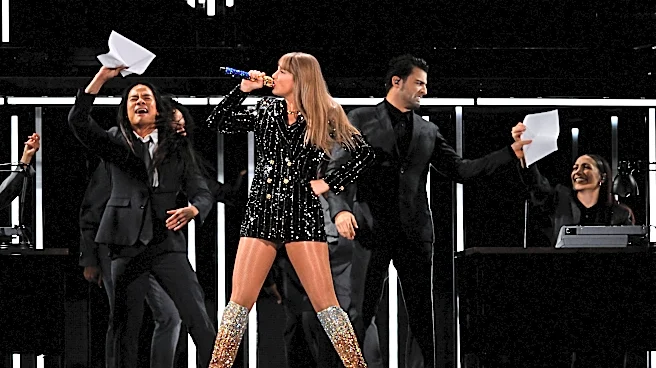
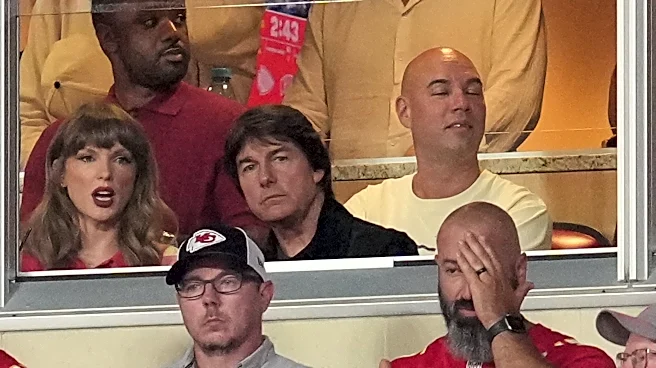
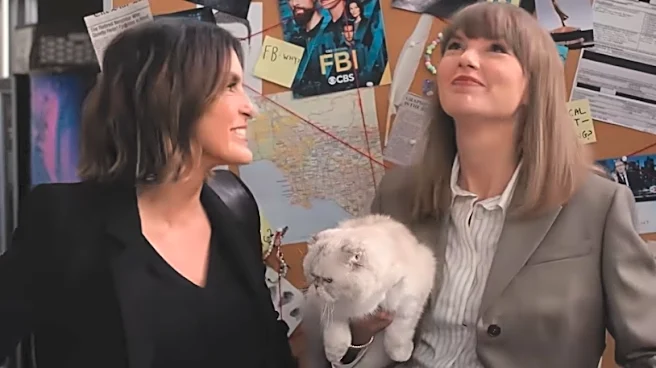
What was once a niche rave tradition exploded into the mainstream, thanks in large part to Taylor Swift's Eras Tour. Inspired by a lyric from her song "You're on Your Own, Kid," Swifties began making and trading friendship bracelets at her concerts. Suddenly, stadiums were filled with fans whose arms were covered in bracelets spelling out song titles, inside jokes, and album names. This phenomenon mirrored kandi culture, with fans creating bracelets specifically to give away, fostering a sense of community and shared experience among a massive, diverse audience. It proved that the desire to connect through handmade tokens transcends genre, turning a pop concert into an interactive, communal event.
The Rise of the Festival Artisan
This trend has also fueled a micro-economy of festival artisans. Platforms like Etsy are filled with shops selling everything from handmade sequin kimonos and holographic fan holders to custom perler bead creations and 3D-printed goggles. These creators aren't big brands; they're fans themselves, designing items they know will resonate with the community. For many, it’s a side hustle born from a passion for the scene. Buying a piece from a festival artisan is often a way of supporting a fellow fan while acquiring a unique item that you won't see on thousands of other people. These small-batch and one-of-a-kind pieces ensure that your outfit remains a personal statement, even as festival fashion trends go global.
A Wearable Identity
Ultimately, a fan-made accessory is a badge of identity. It’s a tangible piece of your personality that you wear on your sleeve—or wrist, or head. In the vast, anonymous space of a festival, these items offer a shortcut to finding your tribe. That person with the obscure video game character on their backpack or the fan with a funny, niche slogan instantly feels more approachable. These accessories are not just decorative; they are functional tools for social connection, designed to elicit a smile, a question, or a shared laugh. They are proof that in a world that can feel increasingly disconnected, a few colorful beads and a piece of string can be a powerful way to bring people together.