


1. Search by Construction, Not Just Category
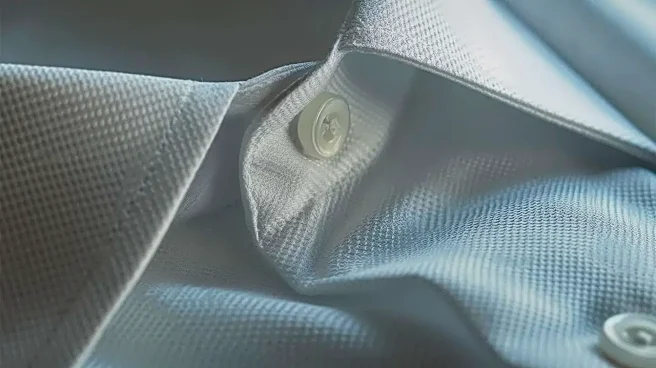
Instead of looking for a '70s blouse,' search for the specific details that make it special. This is the fastest way to find high-quality, interesting pieces that others might miss. Try searching for terms like 'dagger collar,' 'bishop sleeve,' or 'pintuck
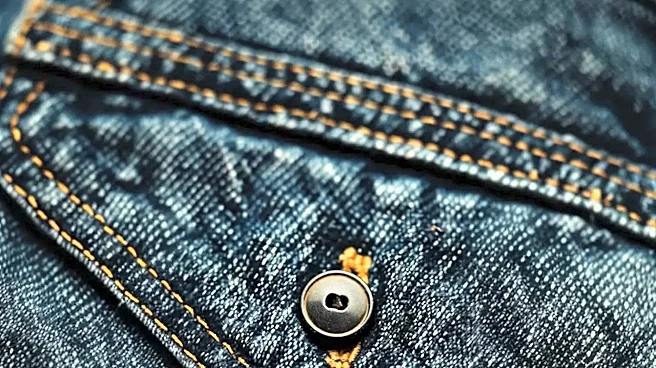
details.' For denim, use 'selvedge' or 'single stitch' to find items made with older, more durable techniques. For coats and jackets, look for 'raglan sleeve' or hardware specifics like 'Talon zipper,' a common feature in mid-century garments. This approach targets the unique anatomy of a piece, helping you uncover architectural gems hidden under vague descriptions.
2. Combine an Era with an Aesthetic
Simply searching for '1960s dress' will yield overwhelming results. The key is to add a specific style modifier to narrow the field. For example, '1960s mod mini dress' or '1970s prairie dress' will give you much more targeted options. Think about the subculture or trend you're after. Other powerful combinations include '1940s film noir blouse,' '1950s rockabilly skirt,' or '1990s grunge flannel.' This tells the search algorithm you're not just looking for something old; you're looking for a specific mood and silhouette that defined a particular niche within that decade. It's the difference between finding a costume and finding a piece of wearable history.
3. Hunt for 'Union Made' and ILGWU Labels
Before manufacturing largely moved overseas, millions of garments were made in the U.S. by union workers. Searching for 'union made' or the acronym 'ILGWU' (International Ladies' Garment Workers' Union) is a backdoor to finding well-constructed clothing from roughly the 1940s to the 1980s. These items were made with a standard of quality and durability that is hard to find today. The ILGWU label itself changed design over the decades, which can also help you date a piece more accurately. You'll often find beautifully tailored wool coats, structured dresses, and sturdy blouses that were built to last.
4. Target Overlooked Heritage Brands
While everyone is searching for vintage Levi's or Chanel, a wealth of incredible pieces exist from less-hyped but equally fantastic heritage brands. For impeccable American-made woolens, search for 'Pendleton.' For exquisitely tailored coats and suits from the 40s and 50s, look for 'Lilli Ann.' If you love the bohemian, romantic styles of the 70s, 'Gunne Sax' is the holy grail. Other names to look for include 'Jantzen' for classic knitwear and swimwear, or legacy department store brands like 'Sears' or 'Montgomery Ward' for durable, no-nonsense workwear and everyday clothes from past decades.
5. Use Terms That Embrace Imperfection
Some of the most soulful and affordable vintage pieces have a little bit of wear and tear. Instead of searching for 'perfect' or 'deadstock' items, which often come with a higher price tag, try looking for things described as 'distressed,' 'faded,' 'patched,' or 'mended.' A 'project piece' might be a stunning 1940s dress with a broken zipper that’s an easy fix for you but a markdown for the seller. This strategy allows you to find garments with a visible history and character, often for a fraction of the cost. It's a sustainable way to acquire beautiful textiles and silhouettes, especially if you're comfortable with minor repairs or see the beauty in a life well-lived.