

The Classic Guardian: What is Setting Powder?
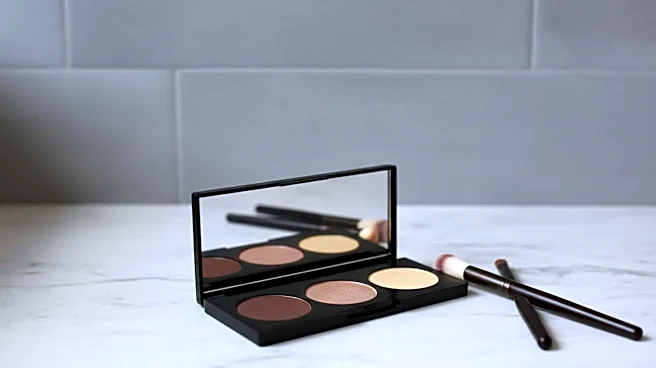
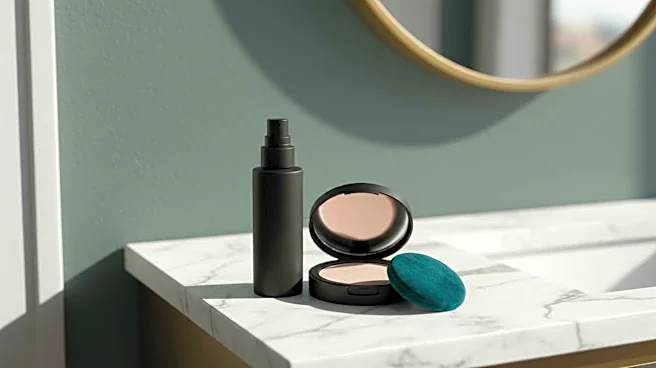
Setting powder is the traditional workhorse of makeup longevity. Available in loose or pressed forms, its primary job is to absorb excess oil and moisture from liquid and cream products like foundation and concealer. Think of it as a microscopic sponge
that mattifies the skin, blurs the appearance of pores, and creates a smooth, velvety canvas. Its key ingredients, often silica or cornstarch, are what give it this oil-absorbing power. Makeup artists have relied on it for decades to prevent creasing and ensure a shine-free finish, especially in the T-zone.
The Modern Melder: What is Setting Spray?
Setting spray is a liquid mist designed to be the final step in your routine. Its function isn't to absorb oil, but to meld all the layers of makeup together—powders, creams, and liquids—into one cohesive, skin-like finish. These sprays are typically water-based and contain polymers that form a lightweight, flexible film over the makeup, protecting it from smudging, fading, and environmental stressors. Depending on the formula, a spray can provide a dewy, radiant glow or a matte finish, making it incredibly versatile.
The Real Disagreement: Absorption vs. Adhesion
Here's the truth: the disagreement among makeup artists isn't really a disagreement at all. It's a misunderstanding of purpose. The choice between powder and spray comes down to two different functions: absorption and adhesion. Setting powder excels at absorption—soaking up oil to set wet makeup and control shine. Setting spray excels at adhesion—fusing makeup layers together and forming a protective seal. An artist prioritizing a matte, airbrushed look on oily skin will naturally champion powder. An artist working on dry skin and aiming for a luminous, seamless finish will reach for a spray. The “argument” is really just a reflection of different needs, skin types, and desired outcomes.
When to Choose Team Powder
You should reach for setting powder if your primary concerns are oil control and a smooth, matte texture. It's the MVP for anyone with oily or combination skin. If you find your foundation looks shiny within a few hours or settles into fine lines, a light dusting of powder can make a world of difference. It's also essential for techniques like "baking," where a heavy application of powder is left to sit under the eyes or on the T-zone to create a bright, creaseless, and incredibly long-wearing finish.
When to Choose Team Spray
Setting spray is your best bet when your goal is to make your makeup look less like makeup. If you have dry or mature skin, powders can sometimes cling to dry patches or emphasize texture. A hydrating setting spray can lock in moisture, give the skin a healthy glow, and melt away any powdery look from blush or bronzer. It's also ideal for long events where you need your entire look to withstand the elements without looking heavy or cakey. A few spritzes can refresh your face and revive your makeup throughout the day.
The Pro Secret: They Don't Disagree, They Strategize
The ultimate secret from the pros is that you don't have to choose. In fact, most artists use both products strategically to achieve a bulletproof finish. The most common professional technique involves applying setting powder first to targeted oily areas or to set concealer. After all other makeup is applied, a setting spray is misted over the entire face. This locks in the powder, takes away any residual powdery texture, and seals the entire look for maximum longevity. This combination gives you the oil control of a powder and the seamless, melt-in-your-skin finish of a spray—the best of both worlds.