




First, What Is Microblading?
Before we get into the good stuff, let's clear up what microblading actually is. Unlike a traditional tattoo that uses a machine, microblading is a semi-permanent cosmetic procedure performed with a manual, handheld tool. An artist uses this tool, which
has a cluster of tiny needles, to create fine, hair-like incisions in the upper layers of your skin. Pigment is then deposited into these strokes, resulting in the appearance of fuller, more defined eyebrows. Because the pigment isn't placed as deeply as a conventional tattoo, it naturally fades over one to three years, allowing for future adjustments to shape and color.
The Anatomy of a Perfect Result
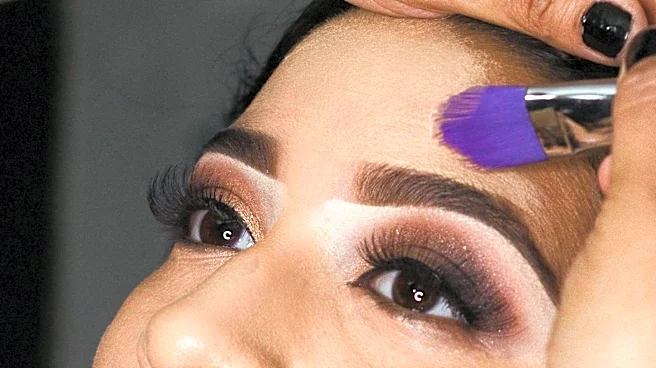
So, what separates a masterpiece from a disaster? It comes down to artistry. A beautifully executed microblading job is all about subtlety and customization. The strokes should be crisp, fine, and mimic the direction and thickness of your natural brow hairs, not look like a block of color. The artist will design a shape that complements your specific facial structure, measuring everything from your nose to your eyes to find the perfect start, arch, and tail for you. Color matching is also crucial; the pigment should be custom-blended to match your natural hair color and skin undertones to avoid brows that heal too dark, too light, or with an unnatural tint.
The Process: Mapping, Numbing, and Inking
A great microblading session is a collaborative process that should never feel rushed. The majority of the appointment, often 20 to 30 minutes, is dedicated to the pre-draw. Your artist will map out the proposed shape with a pencil, allowing you to see and approve it before any permanent work begins. Once you're happy with the design, a topical numbing cream is applied for about 20-30 minutes to ensure your comfort. Only then does the microblading begin, with the artist carefully creating each stroke. Most people describe the feeling as a light scratching sensation rather than pain. The entire process for a new client typically takes around two hours.
The Healing Journey Is a Rollercoaster
What your brows look like immediately after the procedure is not the final result. The healing process takes about four to six weeks and is a true test of patience. For the first few days, your brows will appear much darker and sharper than you expected. Around day five, they will begin to scab and flake. It's essential to not pick at the scabs, as this can pull out the pigment and lead to patchy results. After the flaking stops around day 10, your brows will likely enter the "ghosting phase," where they appear far too light. Don't panic; this is normal. The color will gradually reappear over the next few weeks as the pigment settles and the skin fully heals.
How to Find an Artist You Can Trust
The single most important factor in getting brows you love is choosing the right artist. Start by doing thorough research. Look for an artist with an extensive portfolio, paying close attention to photos of healed work, not just fresh brows. A great artist's work will look good months or years later. Read recent reviews across multiple platforms like Google and Yelp. A qualified technician should have certifications from reputable institutions and be licensed by the local health department. Finally, book a consultation first. This gives you a chance to discuss your goals, ask questions, and ensure you feel comfortable and confident in their ability to deliver a natural, beautiful result.