




The Pre-Festival Blueprint
The magic of red carpet hair color doesn't happen the day of the event; it's a meticulously planned campaign that begins weeks in advance. Elite colorists consult with a celebrity's team—stylist, makeup artist, and publicist—to map out a color strategy
that complements potential wardrobe choices and overall beauty direction. This isn't just about choosing a shade of blonde or brunette; it's about building a versatile foundation. The focus is on creating what colorists call “lived-in color,” a technique that looks natural and has a soft grow-out, ensuring the hair looks flawless for the festival's entire duration. This often involves techniques like babylights—super-fine, delicate highlights—and root shadowing, which blends the highlights seamlessly with the natural hair color to avoid any harsh lines of demarcation as the hair grows.
Fighting the Camera's Distortions
A colorist's real battle is against the camera itself. What looks like a rich, cool-toned brown in the salon can suddenly appear warm or reddish under the pop of a flashbulb. Hair is translucent, and intense light, like camera flashes or powerful event lighting, can penetrate the hair shaft, revealing underlying tones that are normally invisible. A skilled colorist anticipates this. They formulate colors with a deep understanding of how light and camera settings interact, often mixing cool and warm tones in precise measure to create a balanced shade that remains stable. They are essentially 'camera-proofing' the hair, ensuring that a blonde doesn't turn brassy or a brunette doesn't pull unwanted red hues when the world's photographers start shooting.
The Art of Multi-Tonal Dimension
On camera, flat, single-process color can look like a wig or a helmet. The key to avoiding this is dimension. Expert colorists are masters of creating subtle, multi-tonal effects that mimic how natural hair reflects light. Techniques like balayage, where highlights are hand-painted for a graduated, natural effect, add depth and movement. By placing lighter pieces strategically around the face and through the mid-lengths and ends, colorists create variation that prevents the hair from looking like a solid block of color on screen. Even on dark hair, adding these subtle variations is crucial. The goal is to create a look that has richness and complexity, so that as the celebrity moves, the hair catches the light from different angles, enhancing its texture and shape.
The Final Gloss and Polish
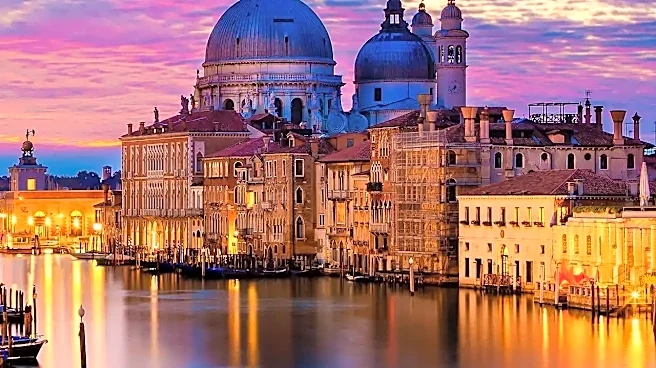
The secret weapon for many colorists in the days leading up to a major event like Venice is a hair gloss or glaze. Think of this as a topcoat for the hair. A gloss treatment smooths the hair's cuticle, which is the outermost layer. When the cuticle is smooth, it reflects light more evenly, resulting in a glass-like shine that reads as expensive and healthy on camera. This service can be a clear formula for pure shine, or it can be tinted to refine the tone, neutralize any unwanted brassiness, or add richness to the existing color. It's the final step that seals in the colorist's work, tames frizz, and gives the hair that luminous, liquid-like finish that defines red carpet glamour.