





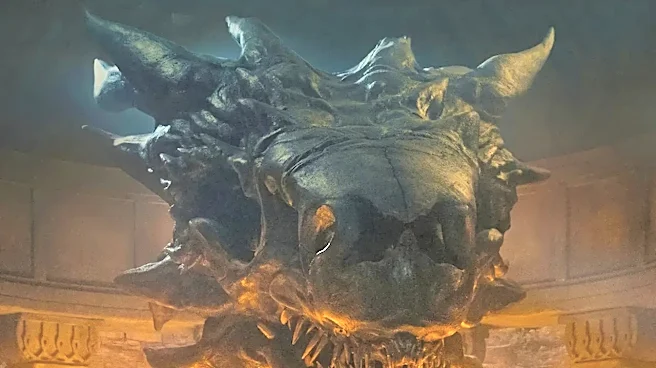
The Weight of a Nightmare
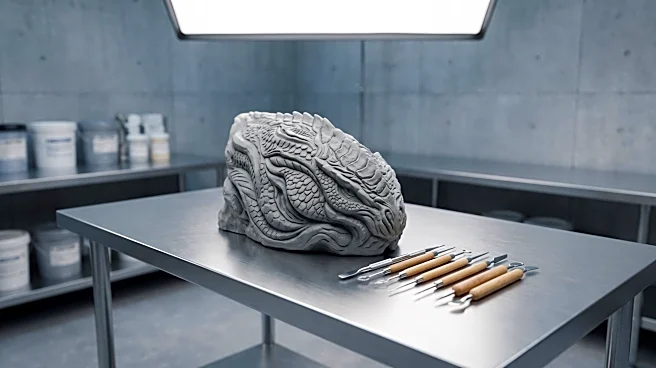
There's an undeniable gravity to practical effects. When a creature physically exists on set, it has weight and presence. It displaces air, casts real shadows, and interacts with light just like the actors do. This is the magic behind some of horror's
most enduring monsters. Think of the grotesque, ever-morphing alien in John Carpenter's "The Thing.". That masterpiece of paranoia is carried by Rob Bottin's breathtakingly complex puppets and prosthetics, which were made from foam rubber, latex, and even strawberry jam. Because the creature was physically there, the actors had something real to react to, a vital component for a genuine performance. Their terror feels authentic because, on some level, it was. This tactile quality is why the Xenomorph from "Alien" remains terrifying decades later; it was a real person in a suit, occupying physical space and creating a sense of immediate, tangible danger that digital creations often struggle to match.
The Freedom of the Digital Dream
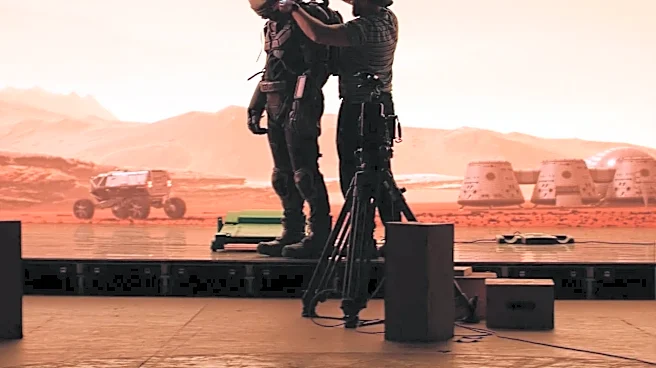
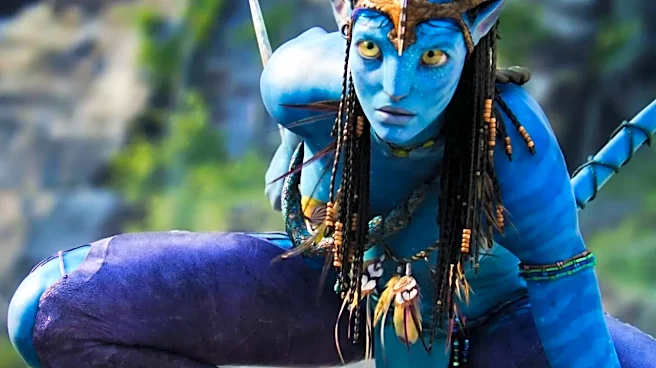
CGI, on the other hand, offers filmmakers almost complete creative freedom. A digital monster isn't bound by physics, materials, or the limitations of puppetry. It can be impossibly large, ethereally transparent, or move in ways that defy real-world biology. When used well, the results are spectacular. While a hybrid film, "Jurassic Park" showed the world what was possible, using CGI to give its dinosaurs fluid, believable movement that animatronics alone couldn't achieve. More recently, horror has used CGI to create threats defined by their unnatural morphing or impossible scale. Proponents also argue CGI is often safer and can be more cost-effective than building massive, complex animatronics for a single scene. It allows directors to build entire worlds and creatures from scratch, limited only by their imagination and budget. The goal isn't always realism, but to create a spectacle that would be utterly impossible to stage in reality.
When Pixels Fail to Frighten
The biggest pitfall of CGI is that it often ages poorly. Your brain is incredibly good at spotting when something is fake, and dated CGI can pull you out of a movie instantly. Bad digital effects often suffer from a lack of weight; characters and creatures can feel like they're floating through a scene rather than existing within it. This is frequently a result of rushed post-production schedules and an over-reliance on fixing things digitally rather than planning shots carefully. The infamous Scorpion King from 2001's "The Mummy Returns" is a classic example of how unconvincing CGI can turn a climactic battle into an unintentional joke. While bad practical effects might look rubbery or fake, they still exist in the same physical reality as the actors. Bad CGI, however, often looks like a poorly integrated video game character, breaking the audience's immersion entirely.
The Perfect Monster Is a Hybrid
Ultimately, the debate isn't about one tool being universally better than the other. The most effective creature features often use a seamless blend of both. Director Guillermo del Toro is a master of this philosophy. For films like "Pan's Labyrinth" and "Hellboy II: The Golden Army," he builds intricate, actor-driven practical suits and puppets, then uses CGI to enhance them—adding blinking eyes to wings or removing a puppeteer. He believes in old-fashioned craftsmanship, stating that there is an "operatic beauty when you build everything by hand." This hybrid approach provides the best of both worlds: the tangible presence and actor interaction of a practical effect, with the polish and impossible details that only CGI can provide. The result is a creature that feels both grounded in reality and fantastically, terrifyingly otherworldly.