





Born from Battlefield Necessity
Long before it graced runways, the trench coat was engineered for the trenches of World War I. While both British brands Burberry and Aquascutum have claims to its invention, the goal was the same: to replace the heavy, water-logged wool greatcoats that
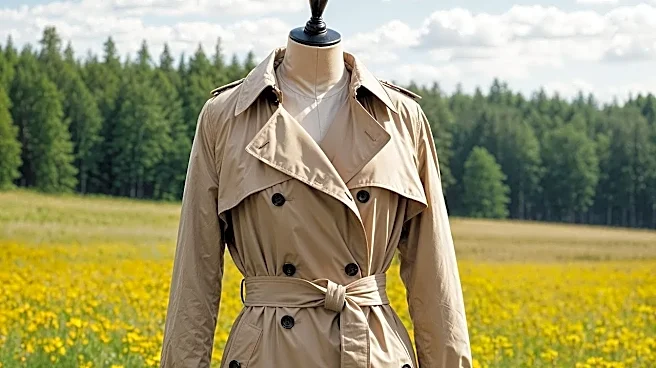
weighed soldiers down. The new coats, often made from Thomas Burberry’s innovative waterproof and breathable gabardine fabric, were a game-changer. Every detail served a purpose. The epaulets on the shoulders secured rank insignia or kept gear from slipping, the storm flap on the chest added an extra layer of protection from wind and rain, and the D-rings on the belt were for hanging equipment like map cases or swords—though a popular myth suggests they were for grenades. It was a garment built for survival, a perfect fusion of form and function that gave officers a practical and distinguished silhouette.
The Hollywood Effect
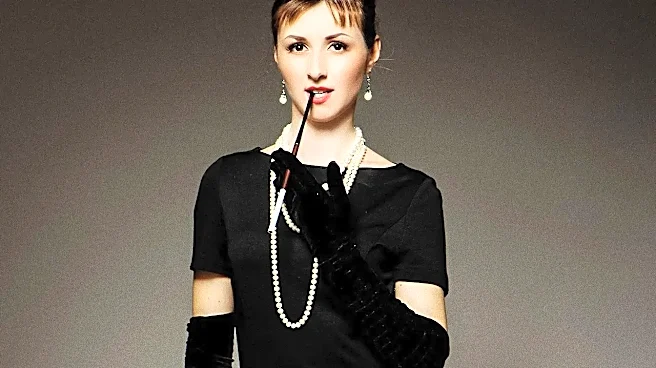
When soldiers returned home, they brought their trench coats with them, and the coat’s transition into civilian life began. But it was Hollywood that truly cemented its legendary status. The trench became the unofficial uniform for the brooding hero, the cunning detective, and the mysterious femme fatale. Humphrey Bogart, as Rick Blaine in Casablanca, gave the coat an aura of world-weary integrity and romance. His belted trench defined the look of the stoic, self-contained leading man. Later, the coat found a new, impossibly chic life on Audrey Hepburn. In the famous final scene of Breakfast at Tiffany’s, she wears a Burberry trench not as a symbol of war, but as a vessel for cinematic romance, transforming it into an emblem of effortless glamour. From film noir to romantic comedy, the trench coat proved it could play any role.
An Icon of Intrigue and Intellect
Beyond its military and cinematic bona fides, the trench coat developed a powerful cultural shorthand. It became associated with characters who operate on the fringes, possess hidden knowledge, or simply exude a cool, detached intelligence. Think of spies slipping through rain-slicked city streets, journalists on a dogged pursuit of the truth, or artists contemplating their next masterpiece. The simple act of turning up the collar suggests a desire for anonymity and a hint of defiance. This association made the trench coat a favorite among intellectuals, creatives, and anyone looking to project an air of thoughtful mystery. It’s a piece of clothing that suggests you have a story, even if you’re not telling it.
A Canvas for Constant Reinvention
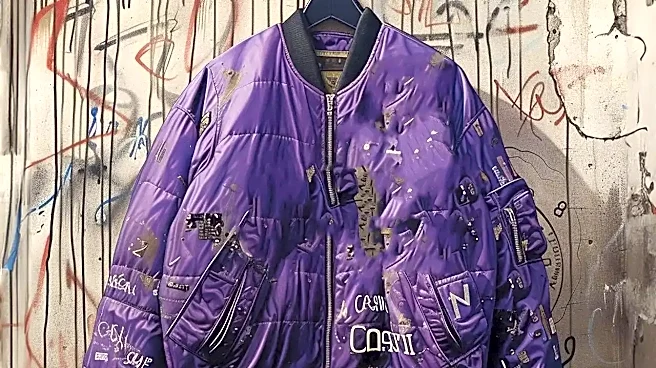
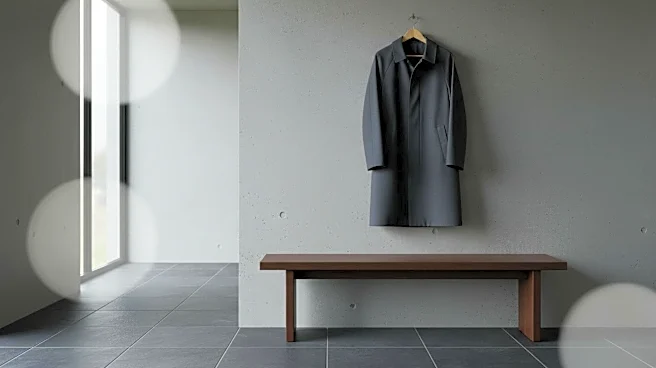
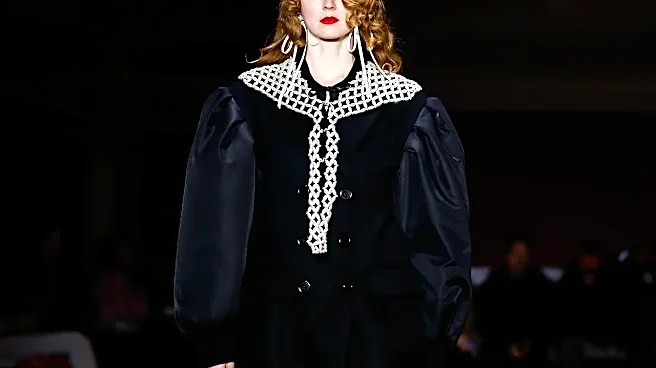
The true genius of the trench coat lies in its adaptability. While the classic khaki, double-breasted version remains iconic, designers have never stopped playing with its fundamental design. The silhouette has been cropped, oversized, deconstructed, and rendered in every fabric imaginable, from high-shine PVC to luxe leather and delicate organza. Fashion houses like Burberry, the style's originator, continually update the classic with new colors, prints, and proportions, while other designers have introduced playful details like fringe or asymmetrical cuts. This ability to be both a timeless anchor and a platform for avant-garde expression is what keeps it fresh. It can be a conservative piece of office wear, a casual weekend staple over jeans, or a high-fashion statement, proving its versatility across decades and personal styles.