


The Secret Under the Collar
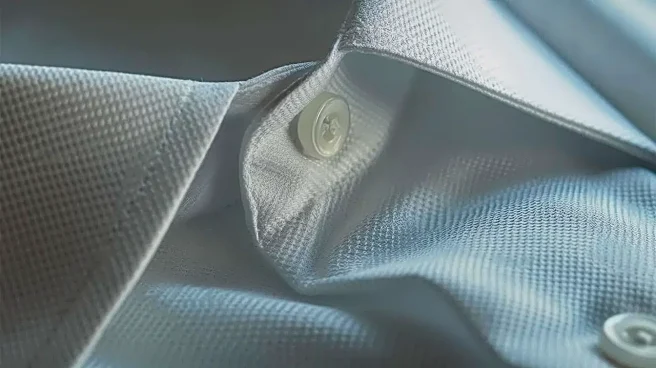
Next time you’re trying on a coat or jacket, flip up the collar and look at the underside. On a high-quality garment, you will often find a different material there, typically a soft, dense fabric that feels like felt. This is called an undercollar, and it's
most commonly made from a specialized wool cloth known as melton. It might be the same color as the coat or a contrasting shade, but its presence is a quiet nod to traditional tailoring and a surefire sign of thoughtful construction. In cheaper coats, you’ll typically find that the underside of the collar is made from the exact same fabric as the rest of the coat, a method called 'self-fabric'. While not a dealbreaker, it’s a shortcut that skips a crucial functional element.
More Than Just a Pretty Detail
So, why does this piece of felt matter? Its purpose is entirely structural. The undercollar's job is to give the collar shape, support, and 'memory'. This dense, often wool-based material helps the collar stand up crisply against the wind and ensures it sits smoothly and snugly against your neck without bunching up. Most importantly, it helps the lapel maintain a clean, gentle 'roll' rather than a sharp, flat press. This roll gives the front of the coat a subtle, three-dimensional shape that drapes better over your body. A self-fabric undercollar lacks this internal structure, meaning the collar can lose its shape, curl at the tips, or lie flat and lifeless over time.
How It's Made Matters
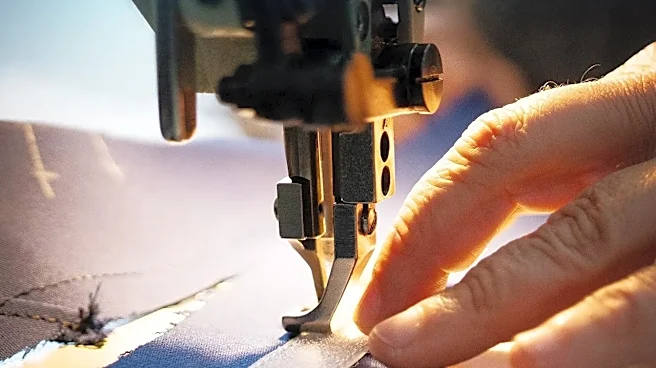
In bespoke and high-end tailoring, the melton undercollar is often attached with a series of intricate, hand-guided 'pad stitches'. These stitches, which sometimes look like a decorative zig-zag pattern, secure the felt to the collar's internal canvas, giving it the necessary tension and shape to curve perfectly. This technique ensures the collar tips point down instead of curling up and that the whole thing hugs the neck naturally. While many excellent coats now use machine stitching for this process, the use of a separate undercollar material remains a key differentiator. It shows that the maker invested in a construction method designed for longevity and a superior fit, rather than simply producing the garment as quickly and cheaply as possible.
Other Hidden Signs of Quality
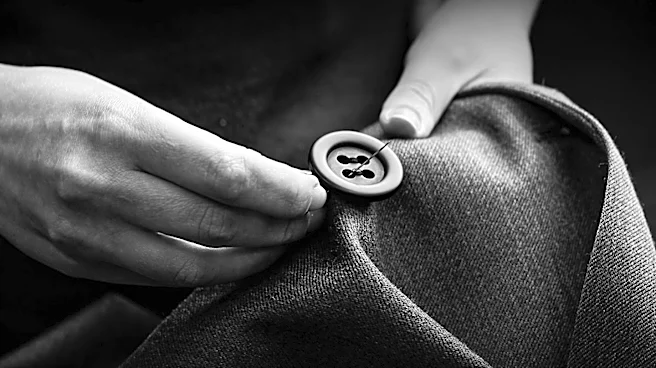
The undercollar is a great starting point, but it's just one of several hidden clues that signal a coat is built to last. While you're inspecting the collar, look for a clean lining. A quality lining, often made of a smooth material like viscose or cupro rather than polyester, will be fully attached and allow the coat to slide on easily over sweaters without pulling or catching. Check the seams; they should be straight, even, and free of puckering or loose threads. Finally, look at the buttons and buttonholes. On a well-made coat, buttons will be made of durable materials like horn or corozo nut instead of plastic, and the buttonholes will be neatly stitched and clean-cut. These small elements, taken together, paint a clear picture of a garment's overall craftsmanship.