



The Anatomy of the Perfect Shot
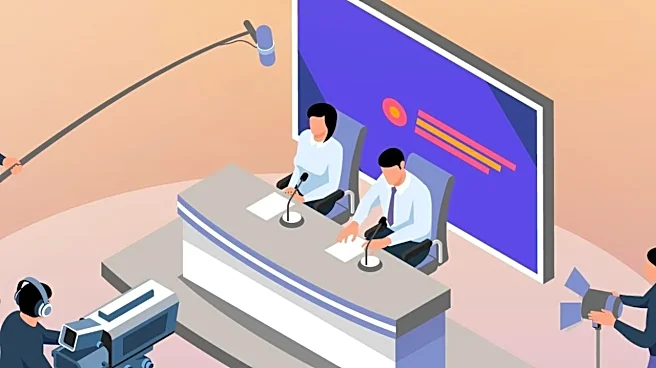
It all begins with the broadcast director. During any live awards show, producers are hunting for gold: authentic, unfiltered emotional responses from the most famous faces in the room. A-listers in the front rows are prime targets. Is a star dancing
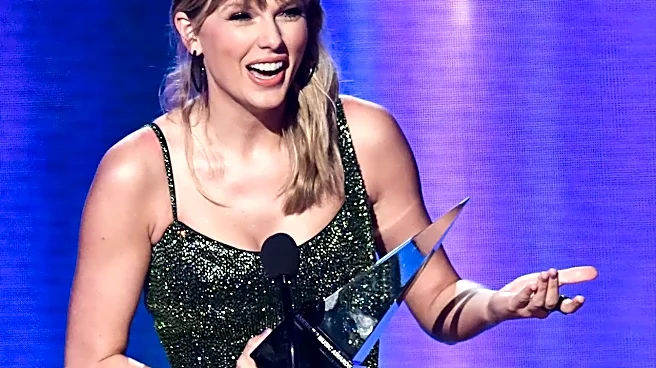
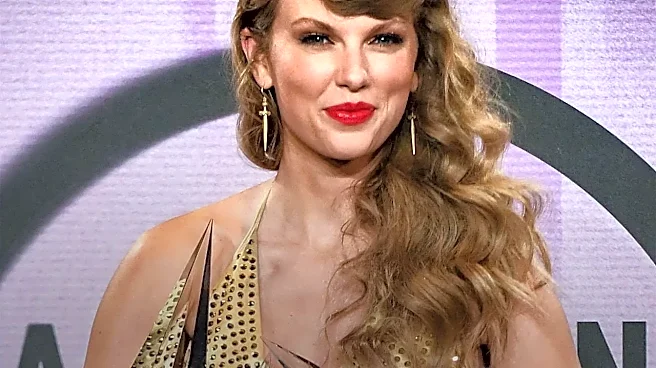
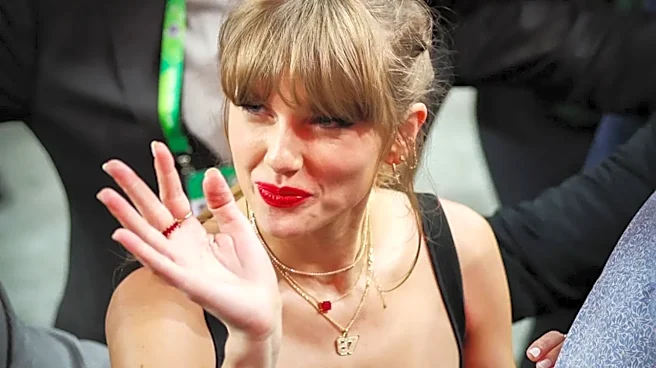
enthusiastically during a performance? Is an artist looking shocked by a win, or perhaps underwhelmed by a joke? The cameras are ready. These quick cuts to the audience are intentional, designed to make the millions watching at home feel like they’re part of an exclusive, intimate event. Taylor Swift, for example, has become a reliable source of reaction content over the years, known for her expressive responses to performances and announcements. Producers know that a well-timed shot of a celebrity looking bored, thrilled, or confused is more than just filler—it’s potential content.
The Capture and The Launch
The moment a notable reaction airs, a digital army mobilizes. Armed with screen-recording software and GIF-making tools, viewers capture the fleeting expression. Within minutes, sometimes even seconds, the raw clip is uploaded to social media platforms like X (formerly Twitter), TikTok, and Instagram. This initial phase is a race. The first person to post a high-quality clip of a meme-worthy moment often gets the first wave of viral engagement. The video or GIF spreads rapidly as users share it, comment on it, and begin the crucial next step in its evolution. It's a decentralized, high-speed content factory where the audience becomes the distributor.
The Art of the Re-Contextualization
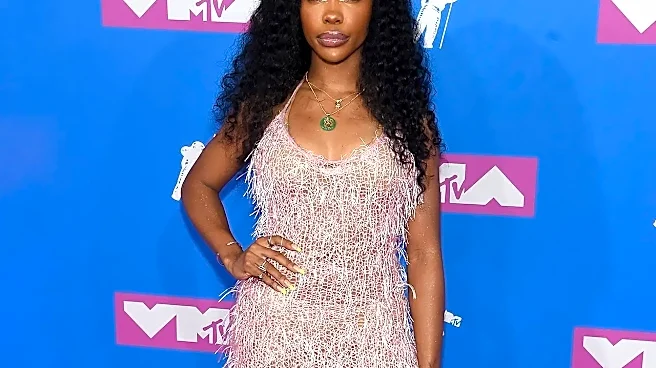
A raw clip of a celebrity’s face is just the start; the magic happens in the remix. This is where fans become creators. They strip the reaction of its original context—the specific performance it was reacting to is no longer important. Instead, they apply a new, highly relatable caption, often starting with “My face when…” or “Me trying to…”. Suddenly, a celebrity’s look of surprise isn't about a VMA winner; it’s about the feeling of seeing your food arrive at a restaurant. A look of confusion becomes a universal symbol for trying to understand a complicated work email. This act of re-contextualization is what transforms a specific, fleeting moment into a durable, versatile piece of communication. It’s how moments like Kanye West interrupting Taylor Swift in 2009 became an endlessly adaptable meme about interruption itself.
Why We Can’t Help But Share
The impulse to share these memes is deeply psychological. On the surface, it’s about humor. But on a deeper level, it’s about connection and shared experience. When you share a reaction meme that perfectly captures how you feel, you’re sending a signal to your social circle that says, “You get me.” In a digital world, memes serve as a kind of emotional shorthand, conveying a complex feeling more effectively than text alone. They create a sense of community and validation, reminding us that our own mundane or stressful experiences are universal. That collective laughter and understanding forges a surprisingly strong social bond, turning millions of isolated viewers into a connected audience participating in a shared joke.
The Unofficial Main Event
Over the years, this cycle has become as much a part of the VMAs as the awards themselves. The meme-ification of reaction shots is a powerful form of audience participation, allowing viewers to wrest control from a highly produced broadcast and create their own entertainment. It’s a testament to how modern fandom operates—no longer as passive consumers, but as active interpreters and creators of culture. As the 2026 VMAs approach this Sunday, September 27, an entire ecosystem of meme-makers is poised and ready. They are waiting to see which unexpected glance or candid expression will become the next piece of internet history, proving that sometimes the most memorable moments of the night happen off-stage.