






The Set-Piece Arms Race
For decades, a corner was simple: swing the ball into a crowded box and hope for the best. That era is over. Now, it's a meticulously rehearsed play, and the 2026 World Cup is the biggest stage for this evolution. Following a trend exploding in club football,
where teams like Arsenal have set records for goals from corners, international squads have embraced the dead ball as a vital weapon. While some FIFA analysts predicted national teams would lack the preparation time to perfect complex routines, this tournament has proven otherwise. Teams are using set pieces as a primary tool, especially in a grueling 48-team format where tired legs and compact defenses make open-play goals scarce. It's no longer a sideshow; it's a calculated strategy to gain an edge when everything else is deadlocked.
The Rise of the Specialist
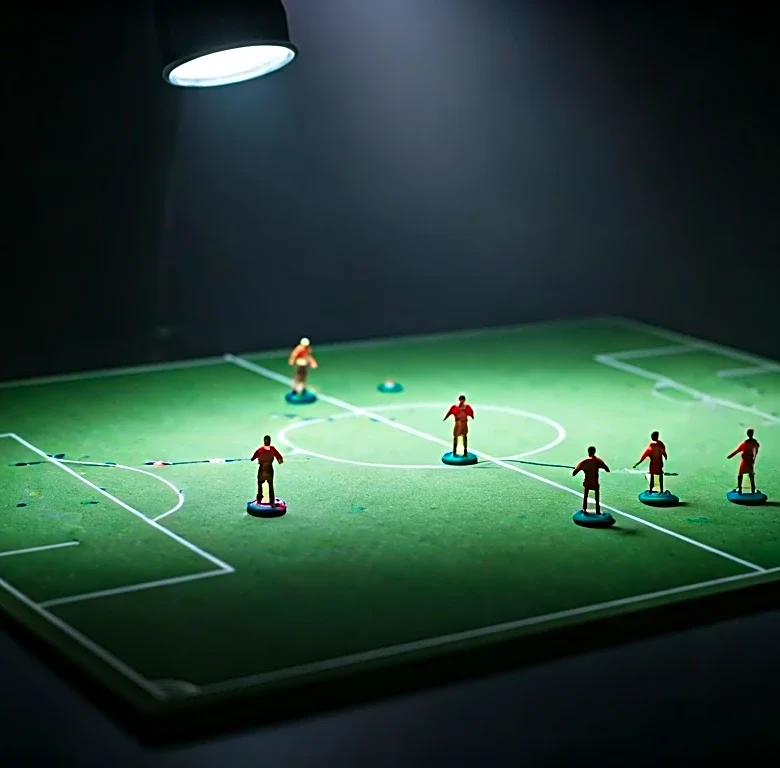
Behind this shift is a new kind of expert: the set-piece coach. Once a minor responsibility for an assistant, this role is now one of the most crucial in the sport. These specialists spend hours analyzing opponent defenses—do they use zonal marking, man-to-man, or a hybrid system? They design intricate routines with blockers, decoy runs, and varied delivery types to exploit any weakness. At this World Cup, the impact is clear. Group stage data revealed fascinating trends, with teams moving away from the previously dominant in-swinging corner to more unpredictable out-swinging deliveries. Analysts have identified teams like Argentina, Belgium, and Senegal as particularly efficient from set pieces, while others, including traditional powerhouses, have shown surprising defensive vulnerabilities.
A Game of Data and Deception
Modern corners are born from data. Analytics platforms, now available to all 48 teams at this World Cup, break down every variable. These tools track which delivery types create the highest Expected Goals (xG), where second balls are most likely to land, and which defenders are weakest in aerial duels. This data-driven approach allows coaches to craft specific plans for each opponent. You might see a team use a short corner to draw out a packed defense, as France did against Paraguay, creating space elsewhere. Or a team might repeatedly target the near post, knowing a specific keeper struggles to command that area. It transforms the corner from a lottery into a calculated play based on statistical probability.
The Knockout Stage Decider
As the tournament has progressed into its high-stakes knockout rounds, the importance of set pieces has only intensified. In tense, evenly matched games, a single dead-ball opportunity can decide a nation's fate. These are the moments where a well-designed corner routine, practiced relentlessly on the training ground, pays off. Consider a recent Round of 32 match where a dangerous corner kick led to a foul in the box, resulting in a game-changing penalty for Portugal. With teams often defending deep to protect a lead or play for a penalty shootout, the corner kick becomes one of the few reliable ways to apply pressure and create chaos in the opposition's box. It's a test of nerve, organization, and execution.