







The Price of a Face in the Crowd
On the surface, hiring an extra seems simple. But for large-scale productions, those costs multiply into a formidable line item. A single union background actor can cost a production several hundred dollars per day, and that's just the beginning. According
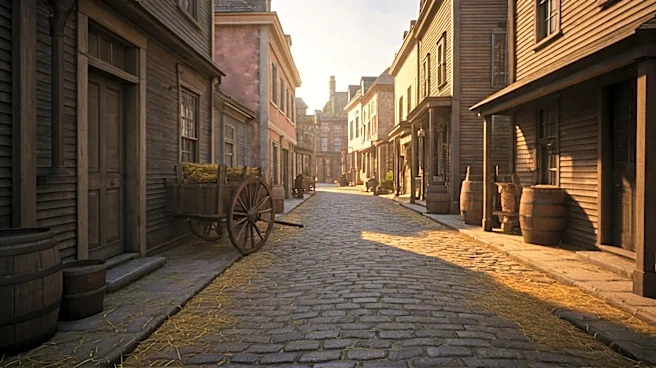
to SAG-AFTRA, the union representing performers, the base rate for a general background actor is around $200 for an eight-hour day. That doesn't include overtime, which is inevitable on a film set, or additional pay bumps for special circumstances. Does the extra need to get wet, work in smoke, or wear extensive makeup or a wig? That's extra. Do they need to bring their own special costume, like a vintage tuxedo? That’s another bump. For a historical epic aiming to recreate a bustling 18th-century Philadelphia street or a Revolutionary War battlefield, a director might need hundreds, if not thousands, of background actors for weeks on end. The logistical costs also pile up: dedicated assistants to manage them, massive wardrobe fittings, and catering to feed an army of performers. Suddenly, the 'background' becomes a foreground financial concern.
More Than Just Human Scenery
Beyond the budget, extras serve a critical artistic function: they sell the reality of the world. Without them, a scene feels sterile and fake. Think of the sweeping battle scenes in films like "Braveheart" or "Gettysburg.". The sheer scale, conveyed by thousands of individuals clashing on a field, is what makes those moments iconic. The 1993 film "Gettysburg" famously used around 5,000 volunteer reenactors to bring its battles to life, lending an authenticity that digital effects often struggle to replicate. These performers do more than just stand there; they create atmosphere, react to the main action, and populate the world, making it feel lived-in. A well-directed group of extras can subtly guide the audience's focus or enhance the emotional tone of a scene without saying a single word. Their collective performance is the canvas upon which the main story is painted. An unconvincing crowd can shatter the audience's suspension of disbelief, turning a dramatic moment into an unintentional comedy.
The America 250 Challenge
As networks and studios gear up for America's semiquincentennial, with projects already announced by major platforms, the demand for authentic historical productions is high. Recreating events like the Battle of Bunker Hill or the Constitutional Convention requires more than just convincing lead actors; it requires a sea of believable faces. The challenge is twofold. Financially, producers must balance the immense cost of hiring, costuming, and managing hundreds of background actors against ever-tightening budgets. Creatively, directors must ensure these extras are used effectively to build a convincing 1776, not just fill space. In an era where audiences are savvy to CGI shortcuts, the tactile realism of a real crowd is more powerful than ever. How a production chooses to populate its world—with a dedicated, well-managed legion of extras or a sterile digital swarm—will directly impact its ability to transport viewers back in time.
The Unsung Army of Production
Despite their importance, background actors are often the most overlooked people on a set. The job involves long hours of waiting, repetitive actions, and the unique skill of pantomiming silently for hours while appearing completely natural. They are the living, breathing architecture of a film. For historical epics, this is even more true. Films like "Braveheart" relied on members of the Irish military reserves to provide the discipline and scale needed for its battle scenes. These weren't just random people; they were organized groups who could take direction and endure tough conditions. As one production assistant might tell you, wrangling hundreds of extras can be one of the most difficult jobs on set, requiring immense patience and organizational skill. They are not merely a budget line to be minimized, but a vital component of cinematic storytelling.