
The Runway as a Creative Laboratory
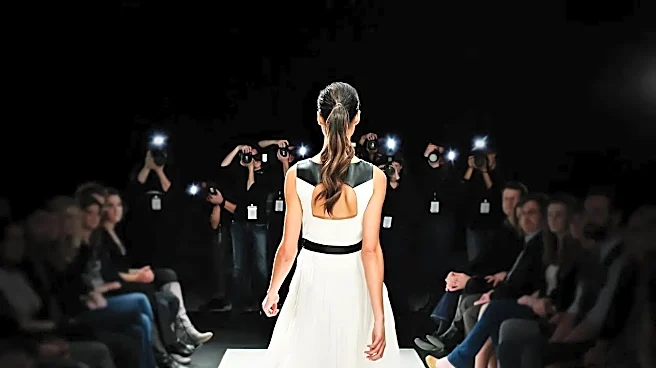
First, it’s crucial to understand that a fashion show isn't a department store. It’s a laboratory for ideas. Designers use the runway to push concepts to their absolute limit, experimenting with shapes,
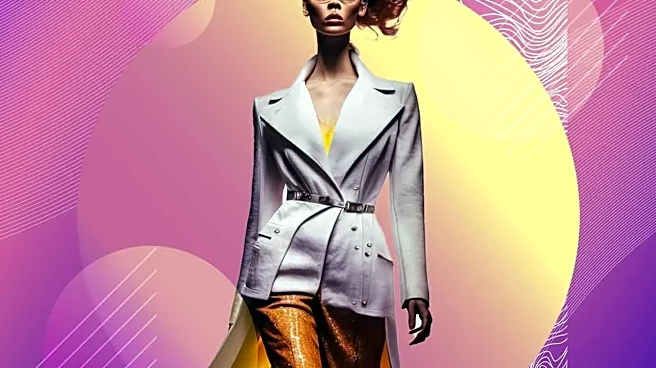
materials, and silhouettes that aren't meant for a morning coffee run. At the recent Spring/Summer 2026 shows, designers like Harris Reed presented sculptural, deconstructed forms that played with gothic architecture, while others explored dramatic volumes and theatrical draping. This is fashion as pure concept. The novelty—a gravity-defying sleeve, a fabric that looks like liquid metal, or a completely reimagined silhouette—is the primary goal. In this space, a garment's success isn't measured by its practicality but by its ability to provoke a reaction, introduce a new idea, or tell a compelling story. It’s a controlled environment where creativity is deliberately untethered from the commercial demands of everyday life.
A Temporary Zone of Performance
London Fashion Week creates what is essentially a temporary autonomous zone for style. For five days, the attendees—editors, buyers, influencers, and students—participate in a collective performance. The unspoken agreement is that normal rules of dress are suspended. This applies not just to the catwalk but to the streets outside the venues, which become a secondary stage for personal expression. Here, novelty isn’t just tolerated; it's social currency. Wearing a wildly experimental outfit that might feel isolating in a typical office setting is a sign of belonging and fluency in the language of high fashion. This context is everything. The psychology of 'enclothed cognition' suggests that our clothes influence our psychological processes; at LFW, the environment itself grants permission for a more daring identity. The outrageous becomes the appropriate, and playing it safe is the only real faux pas.
The Practical Demands of Daily Life
In stark contrast, our daily clothing choices are governed by a different set of rules. Functionality, comfort, social appropriateness, and cost are the primary drivers. A coat needs to keep you warm. Your work attire needs to project professionalism. Your weekend clothes need to be comfortable for errands. While personal style is a factor, it operates within these practical constraints. Novelty for its own sake can be a liability. An overly complex garment can be physically cumbersome, while a design that is too far outside the norm can attract unwanted attention or feel alienating. Whereas LFW celebrates the garment as an art object, daily dress demands the garment be a functional tool. Timeless pieces—a good coat, a classic shirt, well-fitting jeans—endure precisely because they balance style with utility, offering versatility that runway experiments can't.
How Runway Novelty Feeds the Mainstream
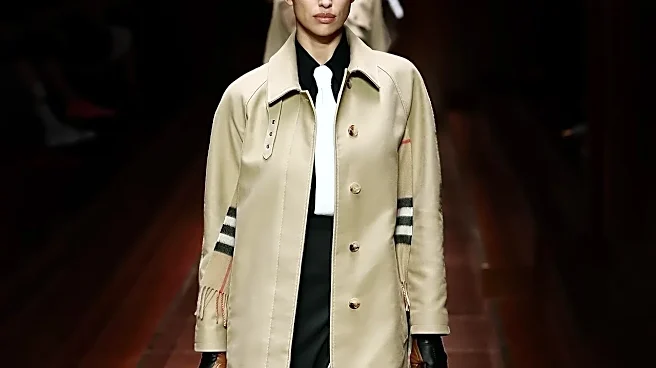
The conceptual novelty of London Fashion Week isn't just a self-contained spectacle; it's the start of a long creative supply chain. The most extreme ideas from the runway are rarely copied directly, but they introduce new moods, colors, and proportions into the fashion ecosystem. A collection's exaggerated, voluminous shapes might be translated into a slightly more sculptural sleeve on a blouse a season later. The avant-garde layering seen on the catwalk could inspire a new way of styling a simple trench coat. For example, the bold, scaled-up plaids and checks seen at recent London shows will likely be filtered down into more wearable scarves and shirts for the consumer market. The runway’s job is to generate the raw material of newness, which is then refined, diluted, and made practical by mainstream brands, eventually showing up in our closets in a much more digestible form.