





The Fabric Face-Off: Standard vs. Selvedge
The most significant difference between price points lies in the fabric itself. A good mid-range chambray is typically made from a respectable 100% cotton, often in a 4-6 ounce weight that feels soft and breathable. It does the job well, looks the part,
and is a solid choice for everyday wear. However, premium brands often elevate the experience by using superior materials. You'll frequently find Japanese selvedge chambray, a fabric woven on vintage shuttle looms. This process is slower and produces a denser, more character-rich cloth with a slightly uneven texture that's considered highly desirable. While a standard chambray is made with short-staple cotton, premium versions may use long-staple varieties like Pima or Egyptian cotton, resulting in a fabric that is noticeably softer, stronger, and ages more gracefully over time. This premium fabric has a unique ability to soften with each wash, developing a personal patina that budget shirts can't replicate.
Construction: Where Durability Is Built
How a shirt is sewn together is a huge indicator of its quality and longevity. Mid-range shirts are built for efficiency, often using standard overlock stitching. It's functional, but the exposed threads on the inside are more prone to fraying over time. Premium shirts, by contrast, frequently employ more labor-intensive construction methods. Look for flat-felled seams along the sides and shoulders. This technique, common in high-end workwear and denim, folds the raw fabric edges over and sews them flat with two rows of stitching, creating an incredibly clean and durable finish. Another hallmark of a better-made shirt is chain-stitch runoff at the hem's side vents—a vintage detail where the threads are left dangling, signaling a particular type of construction. These methods require more skill and time, adding to the shirt's cost but also to its ability to withstand years of wear and tear.
The Devil in the Details: Buttons and Collars
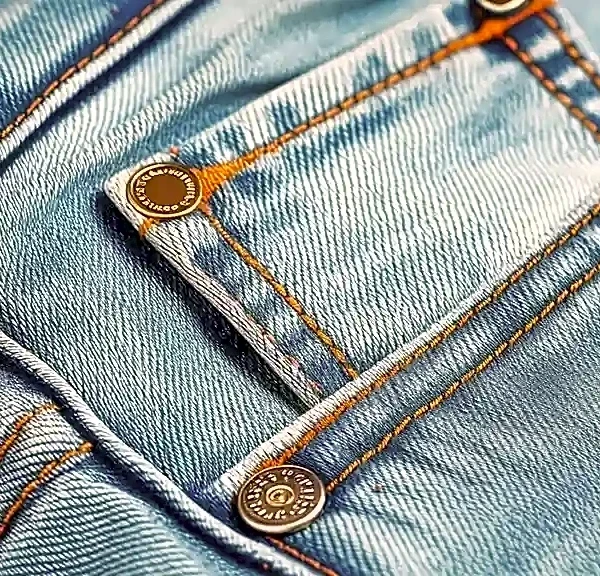
Small details often provide the clearest signal of a shirt's pedigree. A primary example is the buttons. Most mid-range shirts use standard plastic buttons, which are perfectly functional. Premium shirts almost always upgrade to mother-of-pearl or corozo (nut) buttons. Mother-of-pearl buttons are cut from shells, giving them a natural, iridescent luster that plastic can't mimic. They are also more durable and feel cool to the touch. The collar construction is another giveaway. A premium chambray shirt will often have a more structured collar and placket that won't collapse or curl after a wash, allowing it to stand up neatly under a jacket or when worn open. Details like reinforced pocket corners (bar tacks) or a spare button sewn into the inner placket are other small but significant signs that a brand has invested in quality over cost-cutting.
The Verdict: Investment vs. Immediacy
So, is the premium chambray shirt worth it? The answer depends on your priorities. A mid-range shirt from a reliable brand offers fantastic style and utility for its price. It gives you the classic look and feel of chambray without a major investment. You're paying for a good-looking, versatile shirt that will serve you well for a few seasons. When you buy a premium chambray, you're investing in something more. You're paying for artisanal fabric that will develop character, superior construction that will last for a decade or more, and refined details that elevate the entire wearing experience. It's less about a trend and more about buying a piece of future heritage—a shirt that is designed not just to be worn, but to be worn in.