





Rule #1: Choose Your Finish Wisely
The number one thing that often dated the 80s blue look was the finish. Back then, the go-to was a chalky, shimmery frost that could look unflattering and settle into every crease. Today, you have a universe of textures at your fingertips. For a sophisticated
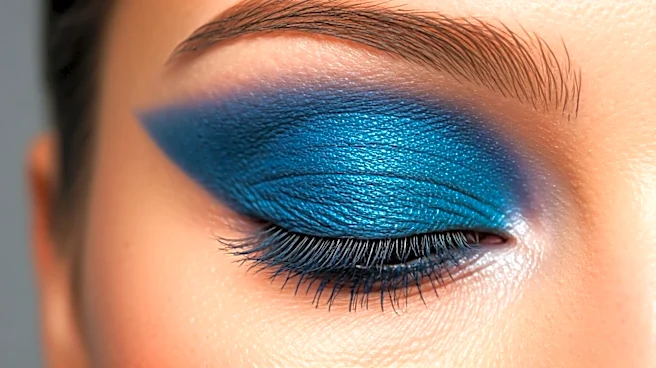
take, opt for a rich matte blue. A deep navy or cobalt in a matte formula provides intense pigment without the retro frost. If you do want some shine, look for a modern satin or metallic finish. These are formulated with finely milled pigments that create a luminous sheen, not a glittery mess. Think of a slick of metallic teal as a liner or a wash of satin periwinkle over the lid. The goal is a deliberate, high-impact finish, not an accidental disco ball effect.
Rule #2: Placement Over Power
The classic 80s application was about maximum coverage, often taking the color all the way up to the brow bone. The modern approach is about strategic placement. Instead of a full wash, use blue as a powerful accent. A sharp, graphic cat-eye in a bright cobalt blue is an incredibly chic way to wear the color. You can also try 'tightlining' your upper waterline with a navy pencil to make your eyes pop without a full shadow look. Another elegant option is a 'pop of color' on the center of the lid, blended into a neutral base, or a subtle smudge of sapphire shadow along the lower lash line. By containing the blue to one specific area, you turn it from overwhelming into an intentional, artful detail. It becomes the star of the show without screaming for attention.
Rule #3: Blending is Non-Negotiable
If there's one technique that separates modern makeup from past eras, it's blending. The harsh, unblended edges of 80s eyeshadow are what often give it a costume-like feel. To do it right today, you need a good fluffy blending brush and a little patience. After applying your blue shadow to your desired area—say, the outer corner of your eye—use a clean blending brush to soften the edges. Use small, circular motions to diffuse the color, ensuring there are no hard lines. For a seamless look, you can blend the blue into a neutral transition shade in your crease, like a soft taupe or warm brown. This creates a gradient effect that looks professional and polished, allowing the blue to be the focal point without looking like it was applied with a crayon.
Rule #4: Find Your Perfect Blue
Not all blues are created equal, and not all blues will work for every skin tone. Part of making this trend work is finding the right hue for you. Deeper skin tones look incredible in vibrant, highly pigmented jewel tones like sapphire and cobalt, which provide a stunning contrast. Medium skin tones can play with a wide range, from rich navy to bright turquoise. Fair skin tones are beautifully complemented by softer blues, like pastel sky blue or a muted periwinkle, though a stark navy liner can also create a dramatic, high-fashion look. Don't be afraid to swatch. A color that looks intimidating in the pan might be the perfect shade to brighten your eyes and complement your complexion.
Rule #5: Balance the Rest of Your Face
The 80s aesthetic was one of maximalism—bold eyes were often paired with heavy blush and a bright, opaque lip. While fun for a theme party, it can be overwhelming for everyday wear. The key to pulling off a strong blue eye today is balance. Let the eyes be the focus. Pair your blue shadow with clean, glowing skin, a groomed brow, and a neutral lip. A sheer nude lipstick, a swipe of gloss, or a 'my lips but better' tinted balm is perfect. Keep the blush soft and subtle, just enough to add a healthy flush to the cheeks. By keeping the rest of the makeup understated and fresh, you ensure the blue eye looks modern and intentional, not like a throwback gone wrong. It’s about making a statement, not a racket.