








It's About Identity, Not Just a City
A Game 7 in the NBA Finals or the World Series is a battle for civic pride. Fans rally around a franchise, a city, and a group of players who may have come from anywhere. The connection is intense, but it’s ultimately about a team you choose to support.
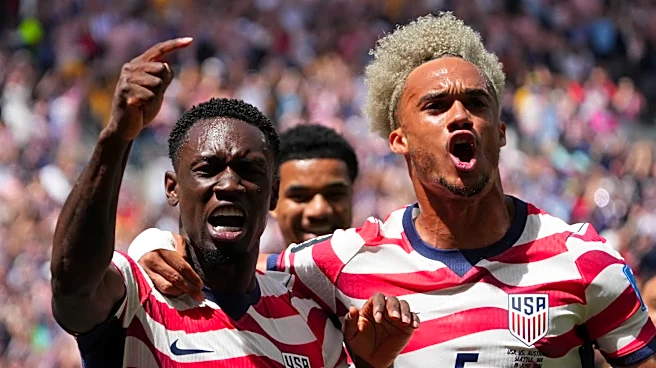
International soccer is different. The team is your country. It represents a shared identity, language, and culture that’s woven into who you are. When your national team plays, it’s not just a city that holds its breath; it’s an entire country. Psychologists note that this activates a powerful sense of tribalism and belonging. The team's success becomes an extension of the nation's status on the world stage, creating a collective emotional investment that a club team, no matter how beloved, can rarely replicate.
History Is Written on the Field
Many of the fiercest international soccer rivalries are fueled by decades, or even centuries, of off-field history. These matches become symbolic arenas for re-litigating past conflicts. Take the rivalry between Germany and the Netherlands, which is deeply rooted in the German occupation during World War II. For a generation of Dutch fans, beating West Germany in the 1974 World Cup final was seen as a chance for national vindication; their loss remains a painful moment in the country's sports history. Similarly, the Argentina vs. England match at the 1986 World Cup took place just four years after the Falklands War. Argentina's victory, powered by Diego Maradona's infamous "Hand of God" goal and his legendary "Goal of the Century," was seen by many Argentinians as symbolic revenge. As Maradona himself put it, they were defending their flag and honoring those affected by the conflict.
The Agony of Scarcity
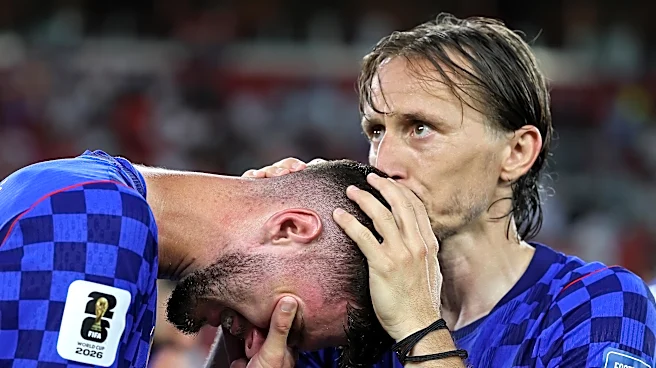
American major sports leagues crown a champion every single year. If your team loses a Game 7, the mantra is always, "There's always next year." For the FIFA World Cup, "next year" is four years away. This scarcity effect dramatically raises the stakes of every knockout match. A single loss means elimination and a long, agonizing wait for another chance. For players, it can be a once-in-a-lifetime opportunity to represent their country on the biggest stage. Unlike a lengthy club season where a team can recover from a bad night, a World Cup knockout round is brutally unforgiving. Win and you advance; lose and you, along with your entire country, go home. This finality creates a level of tension and desperation that makes every moment feel decisive.
A Shared Experience for an Entire Nation
The Super Bowl is a massive cultural event in the United States, but it's still largely an evening's entertainment. A World Cup run, however, can bring a country to a standstill for weeks. Banks, schools, and businesses often close during matches so that everyone can watch. This creates a powerful, shared national experience. The collective joy of a victory, or the communal despair of a defeat, is felt from the capital city to the smallest village. It’s a moment of unparalleled unity—or shared heartbreak—that transcends all other social and political divisions. While a Game 7 loss is devastating for a city's fan base, a World Cup exit can cast a genuine pall over an entire nation’s mood. It’s the highest form of what psychologists call "basking in reflected glory," where the team's fate feels directly tied to the nation's own.