







The Classic Ascot Conundrum
For many attendees, especially those in the prestigious Royal Enclosure, the Ascot dress code is a puzzle. The rules are exacting: dresses must have straps of at least one inch, midriffs must be covered, and hemlines must be modest. This often leads to
a default uniform: a lightweight floral or pastel dress, a coordinating (but separate) jacket or pashmina, and, of course, the requisite hat or headpiece. While often beautiful, this combo presents problems. The first is coordination. Does the jacket truly match or does it look like an afterthought? The second, and more significant, is practicality. British weather in June is notoriously fickle. A sudden chill or a light drizzle can leave you either shivering in a silk frock or swaddled awkwardly in a wrap, disrupting the entire silhouette you spent weeks planning.
Enter the Elegant Problem-Solver
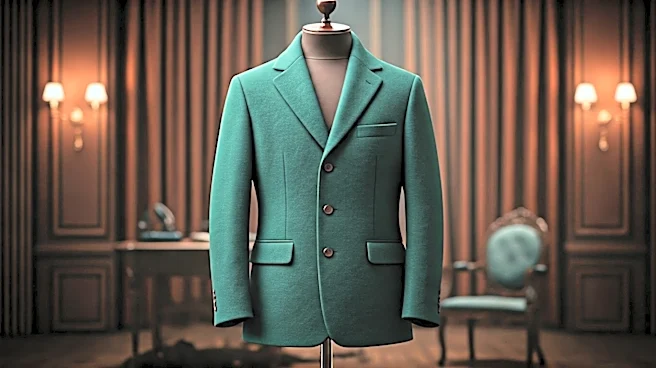
This is where the dress coat, or coat dress, makes its case as the event’s unsung hero. It is not a coat worn over a dress, but a single, structured garment that is worn *as* the dress. Think of it as the sartorial equivalent of a one-pan dinner: all the necessary components are combined into one perfectly executed, elegant result. Popularized by figures of timeless style from Jackie Kennedy to Kate Middleton, the dress coat is designed with the tailoring of outerwear—often featuring lapels, a double-breasted front, or a defined waist—but cut from fabric suitable to be worn on its own. It provides the coverage and decorum required by the Ascot style guide by its very nature. No need to worry if your straps are wide enough; the garment has full shoulders and sleeves. No stress about a gust of wind revealing too much; its structure and weight offer security.
A Masterclass in Practical Polish
The primary advantage of the dress coat is its seamless blend of form and function. It offers a level of polish that a two-piece outfit struggles to achieve. The clean, unbroken line from shoulder to hem is powerful and elongating. It looks intentional and complete from the moment you put it on until the last race is run. There is no 'indoor' versus 'outdoor' look; your outfit is simply your outfit. This is particularly useful for an event that moves between grandstands, private boxes, and manicured lawns. Furthermore, the inherent structure of a dress coat provides warmth against a cool breeze without the bulk of a separate coat. In a sea of guests clutching pashminas, the woman in the dress coat looks unbothered, poised, and perfectly prepared.
Standing Out by Fitting In Perfectly
In the quest to make a statement at Ascot, many attendees lean into bold prints and vibrant, fluttery fabrics. The dress coat offers a different path to distinction: quiet confidence. Choosing a dress coat in a sophisticated block color—a powder blue, a creamy white, a soft jade—or a subtle texture like bouclé or brocade allows your hat and accessories to shine without competing. It’s a masterstroke of sartorial strategy. You are not just meeting the dress code; you are embodying its spirit of formal daywear with a chic, modern sensibility. While others might look like they are simply wearing a pretty dress to a party, the dress coat wearer looks like she belongs in the Royal Enclosure. It's an outfit that communicates authority, elegance, and an insider's understanding of what true style means.