


The Old Pitti Peacock
For years, Pitti Uomo—the most important menswear trade show on the planet—was defined by an explosion of color. Street style photographers swarmed men dressed in sprezzatura-soaked finery: shocking pink trousers, electric blue double-breasted blazers,
and a kaleidoscope of pocket squares, patterned socks, and brightly colored shoes. This was “peacocking,” the art of dressing to be seen and photographed. The goal was to stand out in a crowd of the world’s most stylish men, and the easiest way to do that was with a jolt of audacious color. For a decade, this visual arms race defined the pinnacle of aspirational menswear for many American men looking to break free from the monotony of corporate grays and blues.
A Quiet, Tactile Turn
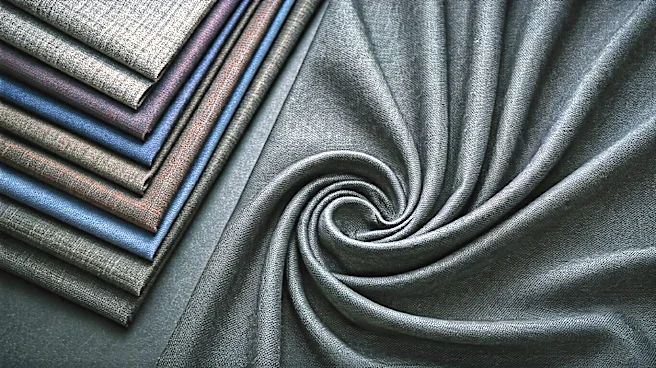
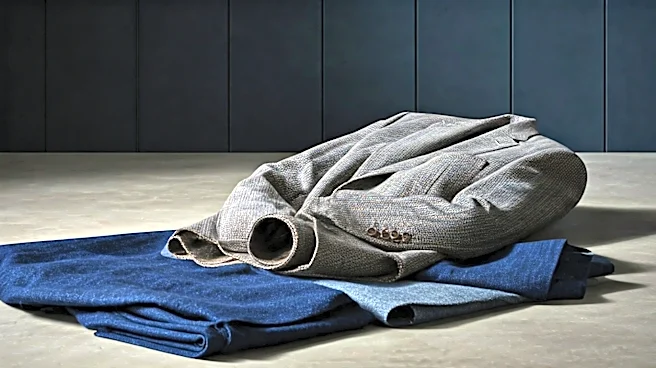
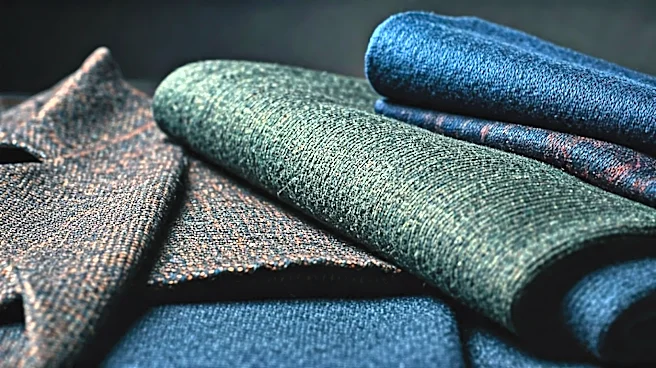
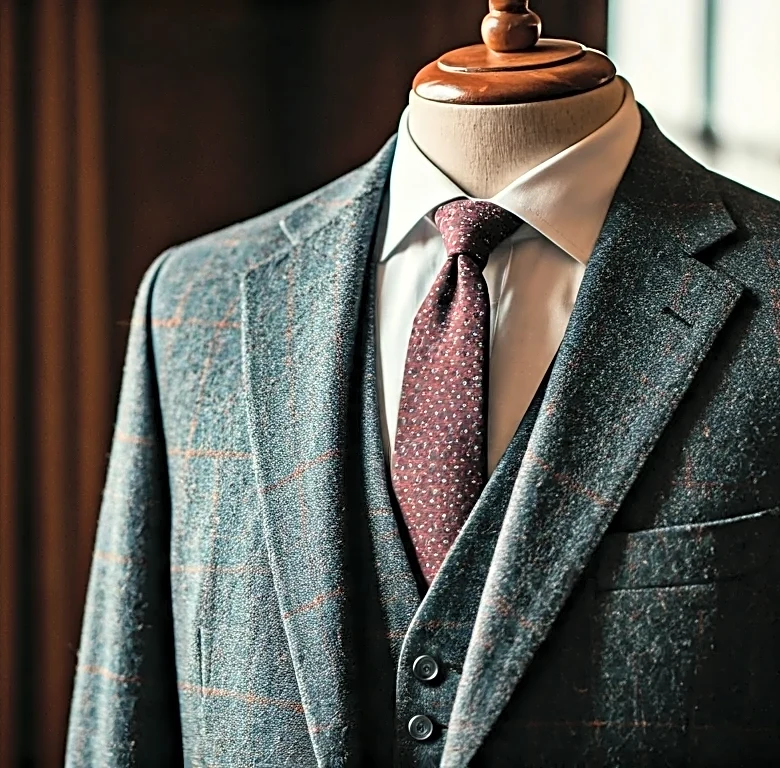
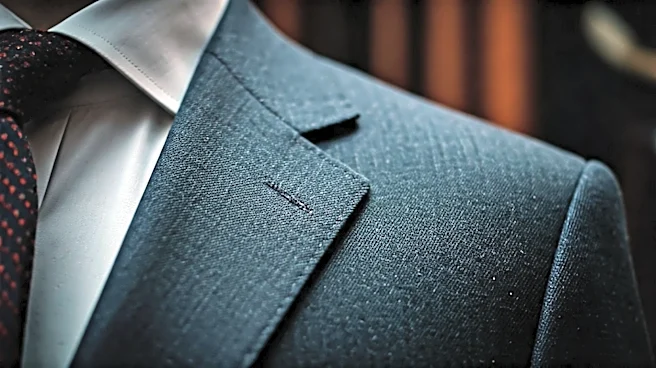
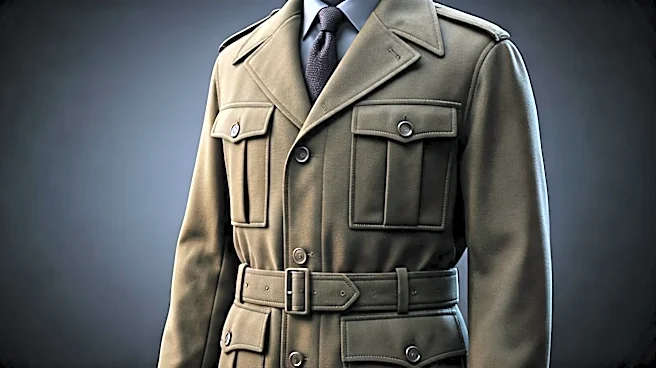
But look closely at the photos from the most recent gatherings in Florence, and a new narrative emerges. The men who look the most modern, the most confident, aren't necessarily the ones in the brightest outfits. Instead, they are masters of a different domain: texture. Their palettes have softened to shades of ecru, olive, taupe, chocolate brown, and navy. The visual excitement comes not from color contrast, but from the interplay of materials. Imagine a single-toned outfit that combines the nubby grain of a raw silk tie, the dry hand of a linen jacket, the soft pile of a cashmere crewneck, and the rugged nap of a suede loafer. It’s an approach that draws you in, asking you to look closer rather than demanding your attention from across the piazza.
The Rise of ‘Quiet Luxury’
So, what’s behind this shift? In a word: confidence. The move toward texture over color is a symptom of the broader “quiet luxury” trend. After years of logomania and hype-driven fashion, there’s a collective desire for clothes that signal quality and discernment without screaming it. A richly textured fabric—a slubby tweed, a wide-wale corduroy, a fuzzy mohair knit—communicates craftsmanship and expense to those who know what they’re looking at. It’s an “if you know, you know” approach to getting dressed. While a bright red blazer is an overt statement, an expertly layered, all-beige outfit built from linen, cotton, and suede is a testament to a deeper understanding of clothing. It’s the sartorial equivalent of choosing a vintage, unbranded timepiece over a diamond-encrusted one.
Depth in a Monochromatic World
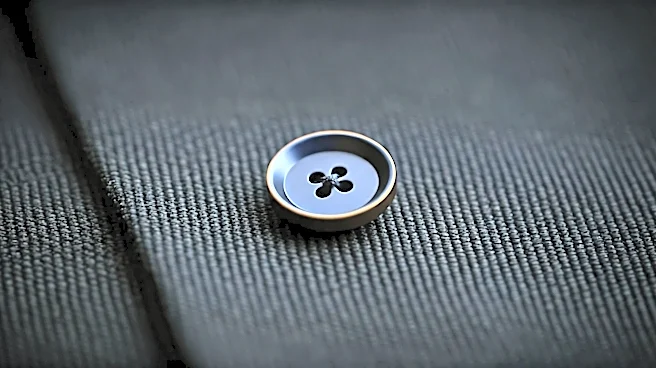
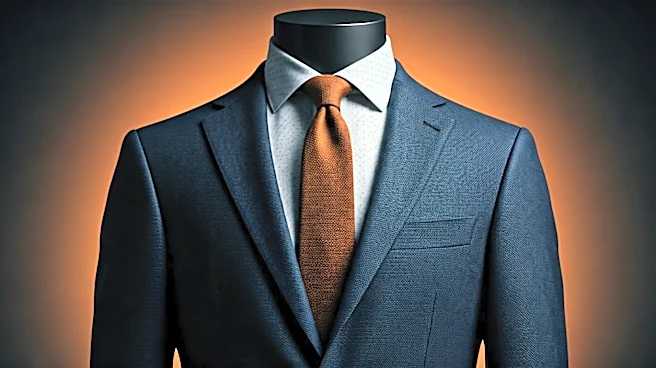
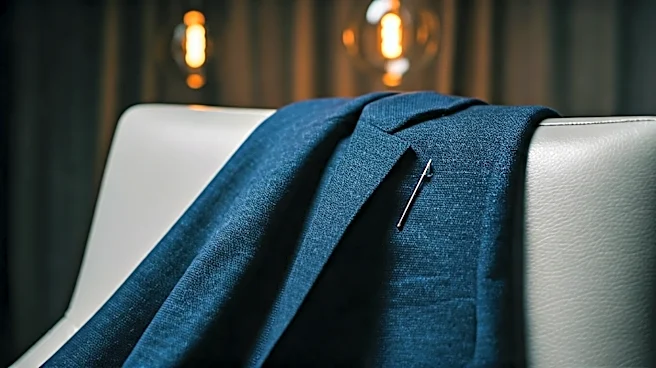
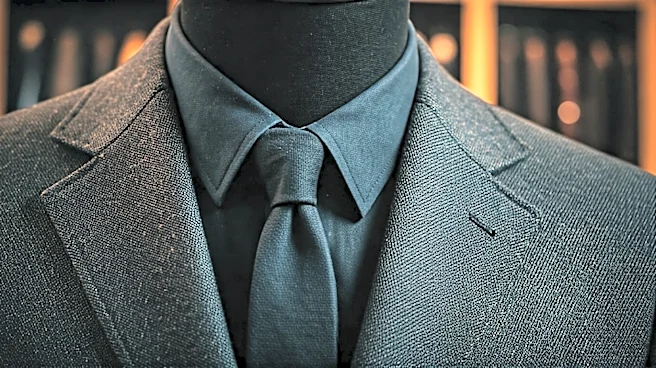
Focusing on texture is also a masterclass in adding depth and dimension to an outfit. It’s the ultimate solution to the age-old problem of how to make a simple, neutral-toned look interesting. A plain navy suit can be sharp, but it can also be flat. But a navy suit in a fabric with a visible weave, like a hopsack or a fresco wool, paired with a navy knitted polo shirt and dark suede shoes, is anything but boring. Each element has its own character, creating a rich visual landscape for the eye to explore. This technique allows for sophisticated dressing that remains grounded and masculine. It proves that you don’t need a riot of color to make a powerful statement; you just need to choose fabrics that have something to say.
Making Texture Work for You
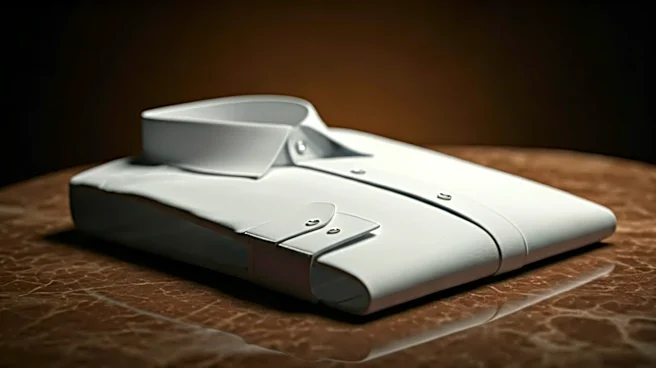
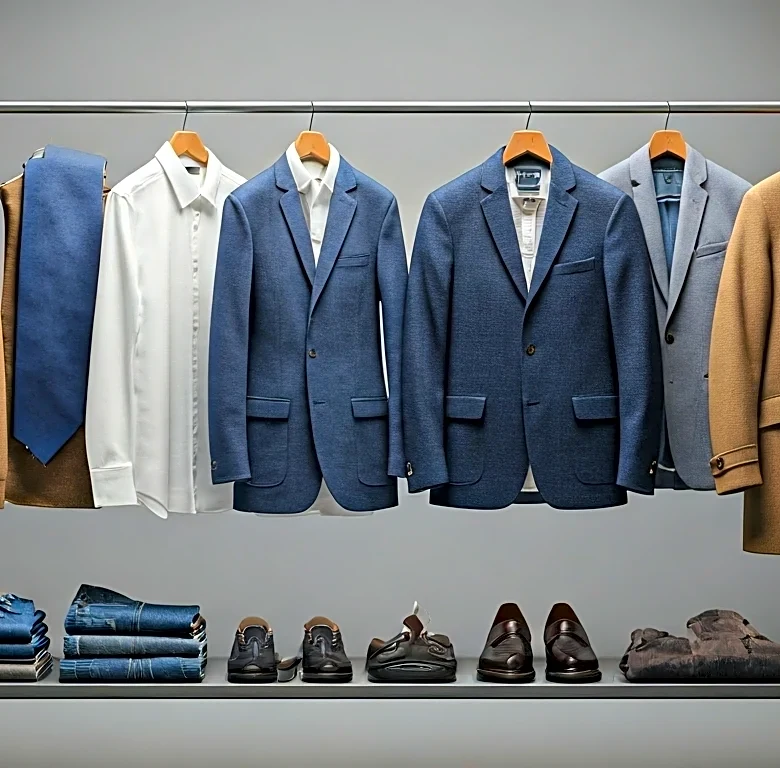
You don't need a plane ticket to Florence to adopt this philosophy. The principle is simple: think about how fabrics feel and interact. The key is juxtaposition. Pair a rough, rugged material with something smooth and refined. Try a chunky, cable-knit sweater under a smooth wool topcoat. Wear a crisp, poplin button-down with a pair of soft corduroy pants. Mix a matte suede jacket with the slight sheen of a silk-blend shirt. By focusing on creating tactile contrast, even the most conservative color palette becomes dynamic and intentional. It shifts the focus from merely assembling colors to truly building an outfit with substance and character.