

The Lost World of Appointment Viewing
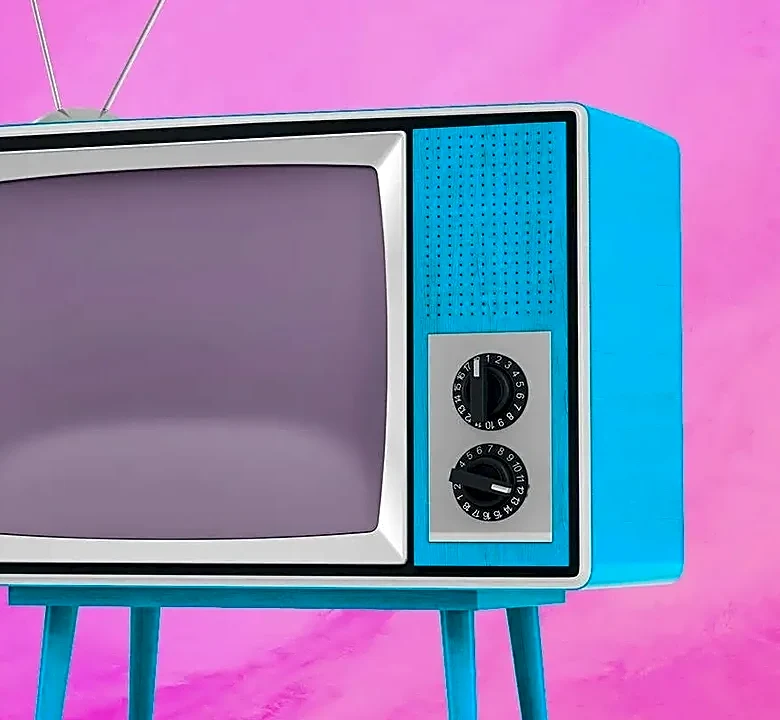
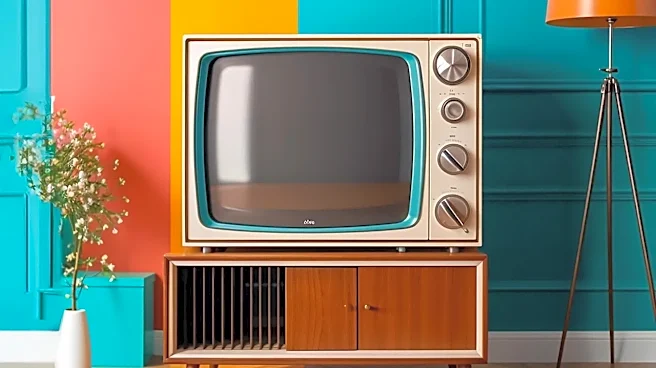
For decades, the fall television season was a cultural institution. From September through November, the major broadcast networks—ABC, CBS, NBC, and Fox—would unveil their new and returning shows in a highly orchestrated marketing blitz. It was a shared
calendar. Your Thursday nights were spoken for by a specific block of comedies, and you knew that millions of others were watching with you. The next day, the office water cooler or school cafeteria was a forum for dissecting every plot twist. This wasn't just about watching a show; it was about participating in a national conversation. This system, known as appointment television, dictated the rhythm of our media consumption. We planned our evenings around it because if you missed an episode, you might have to wait for a summer rerun, if you were lucky. The schedule was king, and viewers were its loyal subjects.
The On-Demand Revolution
The change began slowly with VCRs and DVRs, which introduced the concept of "time-shifting." But the true earthquake was streaming. When services like Netflix began offering entire seasons of shows like "House of Cards" all at once starting in 2013, they didn't just offer convenience; they fundamentally broke the weekly cadence. The idea of waiting seven days for the next chapter suddenly seemed archaic. This gave birth to the binge-watching phenomenon, defined by Netflix as watching two to six episodes in one sitting. The result was a profound shift in power. Viewers were no longer beholden to a network's schedule. The new question wasn't "What's on tonight?" but "What should I start next?" Linear TV viewership has been in a steady decline ever since, with streaming now accounting for the majority of TV usage, especially among younger audiences.
Welcome to the Paradox of Choice
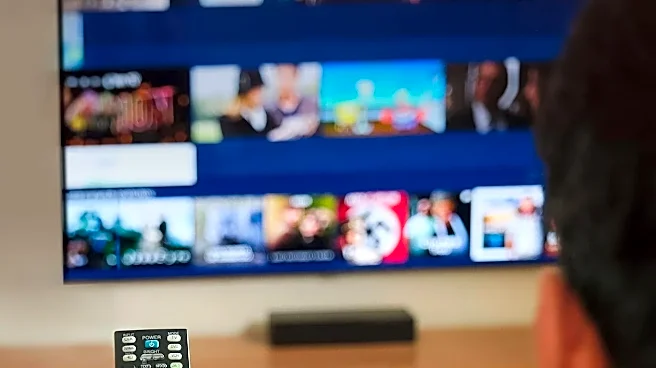
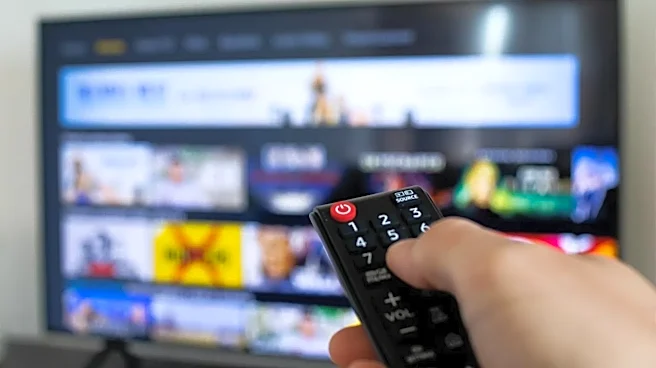
The liberation from the TV schedule came with a hidden cost: the overwhelming burden of choice. With dozens of streaming services each offering thousands of titles, the simple act of picking something to watch has become a source of anxiety. Psychologists call this the "paradox of choice," where an overabundance of options leads to decision-making paralysis. Viewers spend countless minutes scrolling through endless menus, a phenomenon some call "choice fatigue." This endless browsing is the new, less satisfying version of channel surfing. In some cases, the stress of making the perfect choice—knowing algorithms are watching and will base future recommendations on it—can lead viewers to give up and watch nothing at all.
Your Own Personal Fall Season
While the traditional broadcast networks still release a fall schedule of premieres, it no longer commands the cultural space it once did. Instead, every viewer is now their own network programmer, curating a personalized fall season. Your must-see TV might be a new Netflix drama in October, a returning Hulu comedy in November, and an Apple TV+ sci-fi series you binge over the holidays. The season is no longer defined by the calendar month but by when a streaming giant decides to drop its next big hit. We've traded a shared, synchronized experience for a fragmented, individual one. The upside is ultimate control; the downside is the loss of that communal heartbeat, the shared anticipation of waiting a week for the next part of the story.
The New Water Cooler Is Online and Full of Spoilers
The conversation around television hasn't disappeared; it has simply migrated online. Fan communities now thrive on social media platforms and Reddit threads, but the dynamic has changed. When everyone is watching at their own pace, navigating these online spaces becomes a minefield of spoilers. The discourse is less about "Did you see what happened last night?" and more about carefully worded posts asking, "Has everyone finished season three yet?" While binge-watching can foster social connections and even strengthen relationships for those watching together, it also can lead to feelings of isolation and regret for others who feel they've wasted time. This new, asynchronous culture requires more effort to find common ground, replacing the easy, built-in community of the appointment viewing era.