



What Exactly Is Negative Space?
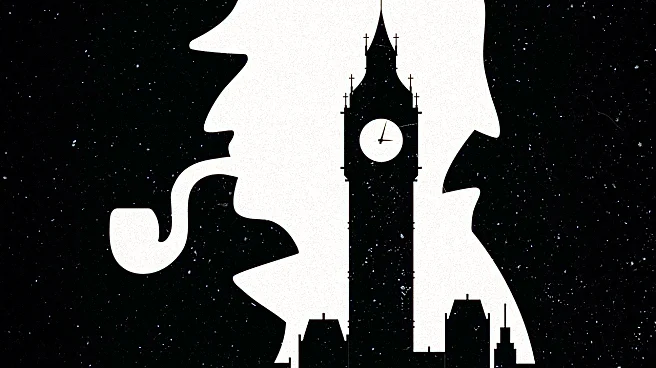
In visual art, negative space is simply the area around and between the subjects of an image. But in filmmaking, it becomes a powerful psychological tool. It’s the empty half of the screen, the long hallway stretching into darkness, or the eerie quiet
where a soundtrack should be. Horror masters know that what you don't see or hear is often more terrifying than what you do. Our brains are wired to detect patterns and threats, and when a film presents us with a vast, empty space, our imagination gets to work filling it with the worst possible scenarios. It weaponizes our own anxiety against us. This technique isn't just about visuals; it's about the strategic use of absence. A sudden cut to silence after a cacophony of noise, or a long, static shot where nothing happens, forces the audience to lean in, hold their breath, and wait for the inevitable, turning them into active participants in their own torment.
The Shape of Emptiness in Halloween
You can’t discuss negative space in horror without talking about John Carpenter’s 1978 masterpiece, Halloween. Shot in wide Panavision, the film frequently places its characters in one part of the frame, leaving the rest unsettlingly empty. Carpenter and cinematographer Dean Cundey use this expansive frame not to show off suburbia, but to create a sense of constant vulnerability. Think of the famous shots of Michael Myers appearing as a faint, almost unnoticeable figure in the background—standing by a hedge or in a darkened doorway behind an oblivious Laurie Strode. The terror isn't that he’s there; it’s that he could be anywhere in the vast, unprotected spaces of a seemingly safe neighborhood. Carpenter deliberately holds shots, letting the audience scan the frame, anxiously searching the shadows and empty windows. He understood a fundamental rule: the monster is scariest when it’s just a shape in the distance, turning a quiet suburban street into an exposed hunting ground.
The Sound of Nothing
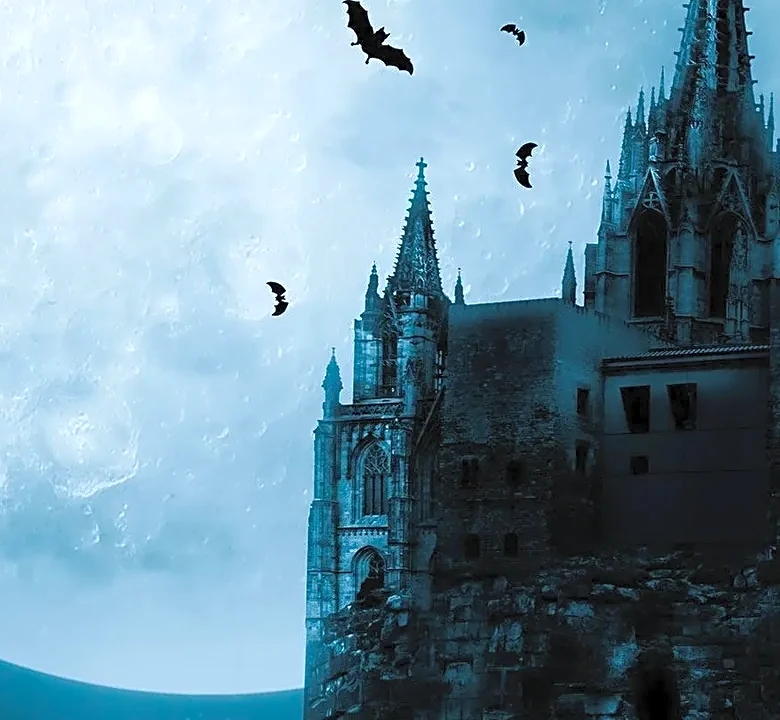
The principle of negative space extends powerfully to sound design. While a piercing orchestral sting can make you jump, the unnerving quiet that precedes it is what truly builds dread. Tobe Hooper’s The Texas Chain Saw Massacre (1974) is a masterclass in oppressive atmosphere, and much of that comes from its soundscape. Beyond the roar of the chainsaw, the film is filled with strange, industrial hums, the buzz of insects, and long stretches of uncomfortable silence that make the world feel broken and hostile. Filmmakers use the absence of sound, or the presence of low, almost imperceptible frequencies, to put an audience on edge. This technique manipulates our primal instincts; in nature, sudden silence often signals an approaching predator. By removing the non-diegetic score and forcing us to focus on every creak and breath, a film can make a quiet house feel more menacing than any haunted castle.
Modern Horror's Quiet Dread
The technique is far from a relic. Modern horror filmmakers have embraced negative space to create a more psychological and atmospheric brand of terror. Films like It Follows brilliantly use wide-angle lenses and deep focus to make the audience constantly scan the background for the slow-moving threat, which could be anyone, anywhere. The horror isn't in the jump scare; it's in the constant, low-grade panic of searching the empty space. Directors like Mike Flanagan have built their signature styles around this concept, using long takes of still rooms and hallways where ghosts may or may not be hiding in the shadows of the frame. This approach respects the audience's intelligence, trusting that their imagination can conjure horrors far more personal and effective than any computer-generated monster. It proves that the oldest trick in the book—making us afraid of the dark—still works, especially when that darkness fills most of the screen.