




The Golden Age of Gore
Before computer-generated imagery became the industry standard, horror relied on something far more tangible: practical effects. The 1980s were the undisputed golden age of this craft, with artists like Tom Savini, Rick Baker, and Rob Bottin becoming
stars in their own right. Their work was a messy, grotesque, and beautiful art form. Think of the groundbreaking werewolf transformation in 'An American Werewolf in London' (1981) or the mind-bending body horror of 'The Thing' (1982). These weren't clean, digital creations; they were latex, rubber, and gallons of fake blood, creating a visceral reality that still feels shockingly real. The effects were often the main attraction, a spectacle of creature design and gore that felt inventive and handcrafted. This tactile quality gives '80s horror a weight and texture that modern CGI often struggles to replicate, making it uniquely satisfying to watch today.
Horror Straight to Your Living Room
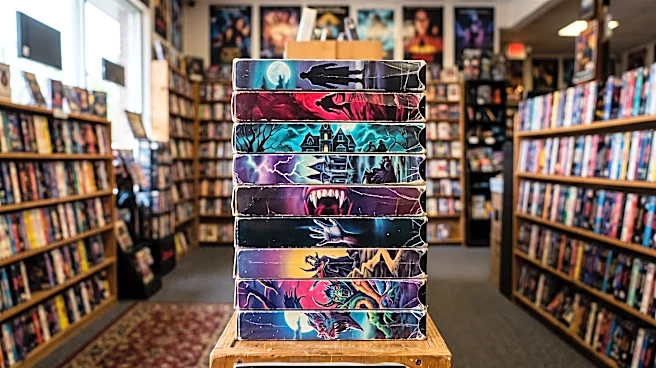
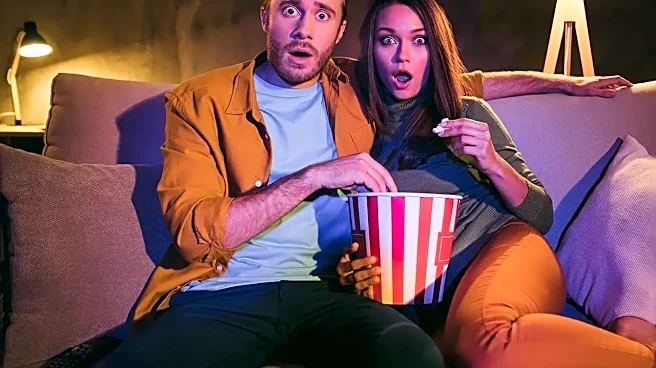
The explosion of '80s horror can't be separated from the rise of the VCR. For the first time, horror became an accessible, private experience. You no longer had to go to a theater; you could bring the terror home from the local video store. This home video boom created a ravenous market for new content, leading to a deluge of slasher films, creature features, and supernatural thrillers. Franchises like 'Friday the 13th' and 'A Nightmare on Elm Street' found massive audiences on tape, their iconic box art becoming a rite of passage for young fans scanning rental shelves. The slightly degraded, grainy quality of VHS often enhanced the viewing experience, making dark scenes murkier and adding a layer of gritty, lo-fi dread that high-definition formats can't quite match. This era cemented horror as a communal, re-watchable event perfect for a sleepover or, eventually, a Halloween marathon.
The Sound of Screams and Synths
Just as important as the look was the sound. The 1980s defined the sound of modern horror with the synthesizer. Composers like John Carpenter ('Halloween,' 'The Fog'), Charles Bernstein ('A Nightmare on Elm Street'), and the band Tangerine Dream created atmospheric, minimalist, and deeply unsettling scores. These pulsing, electronic soundscapes were a departure from the orchestral scores of previous decades, creating a unique mood that was futuristic, eerie, and relentless. This signature sound, often paired with a visual aesthetic of neon lights, foggy streets, and suburban dread, created an unmistakable vibe. The sound of a synth arpeggio became as crucial to building tension as a killer's shadow, and that sound is now pure nostalgic catnip for fans.
Creating the Modern Monsters
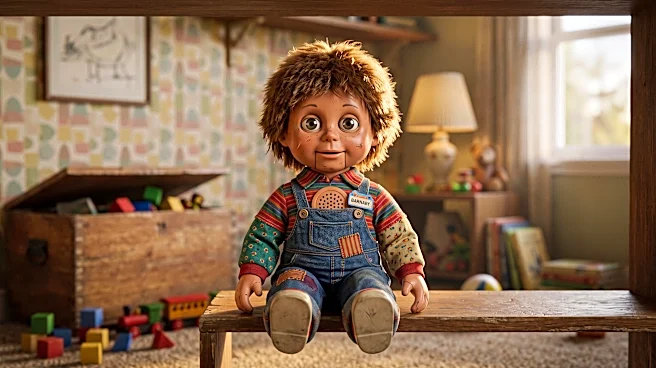
While horror has always had its monsters, the '80s created icons that became permanent pop culture fixtures. Freddy Krueger, Jason Voorhees, and Pinhead weren't just villains; they were twisted celebrities with distinct personalities and mythologies. The decade also perfected horror archetypes that persist today. Most notably, it codified the 'final girl' trope—the resourceful, virginal heroine who confronts and survives the killer. It also gave us beloved B-movie cliches like creepy kids, haunted houses, and tiny monsters that are inexplicably strong. These characters and tropes, born from the slasher boom that began in the late '70s and exploded in the '80s, established a new wave of horror storytelling and a set of rules that filmmakers still follow, reference, or subvert today.
A Nostalgia That Never Dies
Ultimately, the '80s look endures because it's caught in a powerful nostalgia loop. A new generation of filmmakers who grew up renting these movies on VHS are now creating their own horror, and their work is steeped in '80s influence. Shows like 'Stranger Things' and films like 'It' (2017), 'The House of the Devil' (2009), and 'Totally Killer' (2023) are direct love letters to the era, replicating its synth scores, suburban settings, and analog aesthetics. By paying homage, they introduce the style to new audiences, keeping the look alive and relevant. This constant revival ensures that the decade's signature blend of practical gore, electronic music, and rebellious teen spirit remains the default setting for spooky season. The '80s didn't just have a great decade for horror; they created a timeless template for it.