






The High-Stakes Weather Gamble
For an event vendor, the weather forecast is more than small talk; it's a critical business intelligence report. A sudden downpour isn't just an inconvenience—it's a scenario that demands an immediate strategic pivot. Smart vendors prepare for this volatility
long before they set up their booths. They arrive with tents secured by extra zip ties, ready for wind, and have contingency plans for rain or extreme heat. For a food vendor, this might mean having the ingredients for both hot coffee and iced lattes ready to go. If a heatwave hits, the hot soup is out, and chilled gazpacho becomes the special. Some even keep a stock of emergency items like ponchos or sunscreen, transforming a weather problem into a new revenue stream. This adaptability requires flexible inventory and a keen sense of risk management, where the cost of bringing extra supplies is weighed against the potential for a massive sales boost if the weather turns.
Reading the Human River
Crowd flow at a large event is like a river: it ebbs, flows, and can change course without warning. A vendor’s location is critical, but success depends on adapting to the crowd's behavior throughout the day. A stall that’s swamped during the opening act might be a ghost town three hours later. Vendors use a combination of observation and data to anticipate these shifts. They analyze the event layout, identifying potential chokepoints or quiet zones. Experienced vendors know that the biggest crowds aren't always the most profitable. A smaller, more engaged group of customers during a lull can lead to higher average sales per person. To manage these flows, vendors use dynamic tactics. They might run a flash sale announced on social media to draw traffic during a slow period or bundle items to increase the value of each transaction when lines are long. The goal is to maximize every opportunity, whether it's a surge of thousands or a brief moment of calm.
When the Schedule Becomes a Suggestion
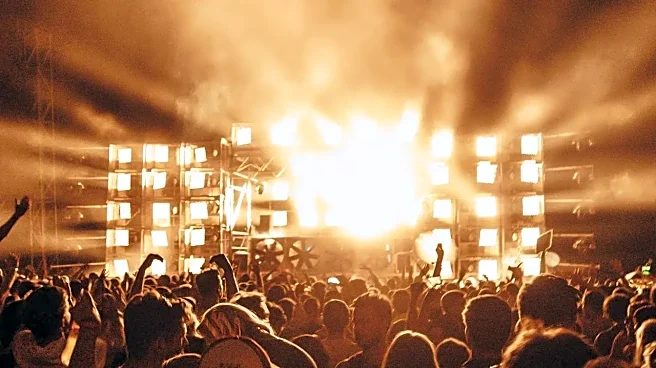
At a music festival, the printed set time schedule is often the first casualty of reality. A headliner’s flight gets delayed, a soundcheck runs long, or an artist decides to play an extended set. For vendors, these changes are seismic. A 30-minute delay can shift a massive wave of hungry, thirsty fans, creating an unexpected rush or a sudden sales drought. The most successful vendors treat the schedule as a live, dynamic document. They stay tuned to event communications, often via dedicated apps or radio channels, to get real-time updates. This allows them to adjust staffing on the fly, pulling a friend in to help during a new peak or sending a staffer on break if a popular act on a nearby stage is running late. For food vendors, it influences their prep cycles. Knowing a main stage act is starting 20 minutes late gives them a crucial window to restock their best-selling items before the inevitable wave of customers arrives.
The Art of the On-the-Fly Pivot
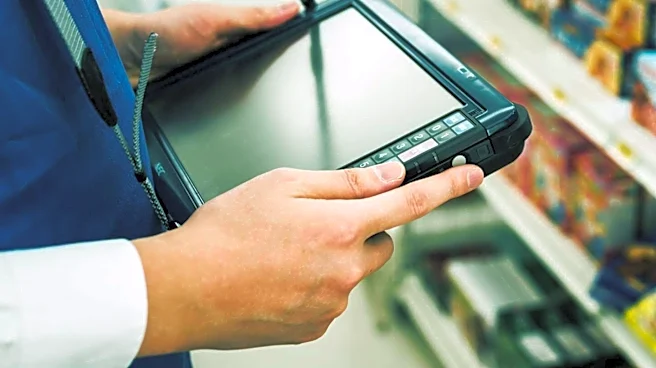
Ultimately, the defining skill of a successful event vendor is the ability to pivot. This requires a specific toolset and mindset. Inventory management is key; many use an 80/20 rule, with 80% dedicated to proven best-sellers and 20% for new experiments. This provides a stable base while allowing for flexibility. They create a 'traveling inventory' specifically for events, keeping it separate from other sales channels to ensure accurate tracking. Technology is a vendor's closest ally. Mobile payment systems are essential for quick transactions, weather apps provide crucial data, and social media acts as a direct line to customers for announcing specials or location changes. But beyond the tech, it’s about a mindset of resourceful problem-solving. It's about seeing a rainy day not as a disaster, but as an opportunity to sell branded umbrellas. It’s the art of turning unpredictability into an unfair advantage.