







A Canvas for a Nation
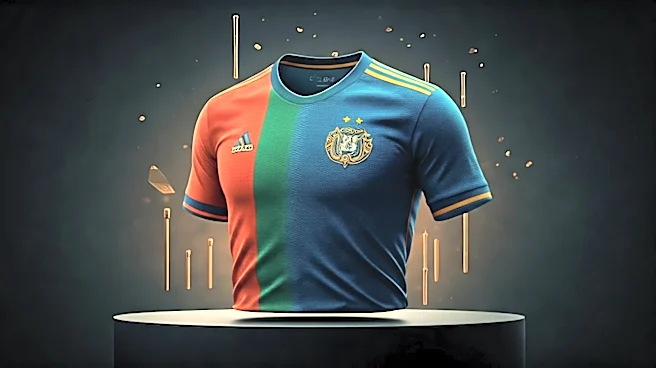
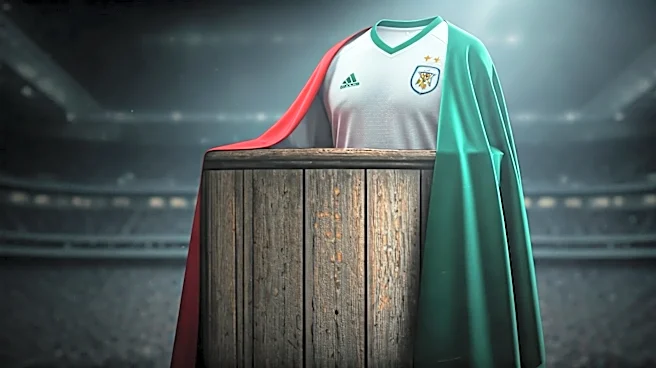
The most fundamental difference lies in what the jerseys represent. A World Cup or Euros kit is a canvas for an entire nation. It’s a wearable flag, an emblem of national pride, history, and identity that resonates far beyond the country’s borders. Whether
you’re a citizen, a second-generation immigrant, or simply a fan of a team’s style of play, wearing a national team jersey connects you to a global story. American sports merchandise, on the other hand, is inherently regional. A New York Yankees hat or a Green Bay Packers jersey signifies allegiance to a city or, at most, a state. While these teams have fans across the U.S. and even abroad, their primary identity is local. This makes their appeal narrower by definition. A French national team jersey has a built-in audience of 65 million people plus a global diaspora and countless admirers; a Philadelphia Eagles jersey, for all its passionate local support, speaks a more specific dialect.
The Minimalist Design Philosophy
Aesthetics play a massive role. Soccer jerseys, or “kits,” are designed with a minimalist, athletic elegance. They typically feature a team crest, a manufacturer's logo, and, in professional club football, a single primary sponsor. The silhouette is clean, tailored, and resembles a stylish polo or performance shirt. This simplicity makes them incredibly versatile. You can wear a soccer jersey with jeans, track pants, or even under a blazer without it looking out of place. Conversely, many American sports jerseys, particularly in the NFL, are built for function over form—designed to fit over bulky pads. They are often busier, with larger numbers, player names, and multiple league and conference patches. While iconic in their own right, they are less adaptable as everyday fashion items. They are statement pieces for game day, not subtle nods to a global tribe.
From the Pitch to the Runway
Soccer has a long and storied relationship with high fashion and streetwear that U.S. sports have only recently begun to emulate. For decades, European and British subcultures, from the “casuals” of the 1980s to today’s “Blokecore” trend, have integrated soccer kits into their style identity. Fashion houses like Balenciaga, Gucci, and Off-White have released their own soccer-inspired jerseys, while brands like Palace Skateboards have collaborated directly with clubs like Juventus. This crossover has legitimized the soccer jersey as a genuine fashion garment. While the NBA has made significant inroads with its “tunnel walk” culture and collaborations, and throwback jerseys had a major moment in 2000s hip-hop, the integration hasn’t been as deep or as sustained across the high-fashion landscape. Soccer kits are treated by designers not just as fan apparel, but as a legitimate silhouette to be reinterpreted.
A Truly Global Marketplace
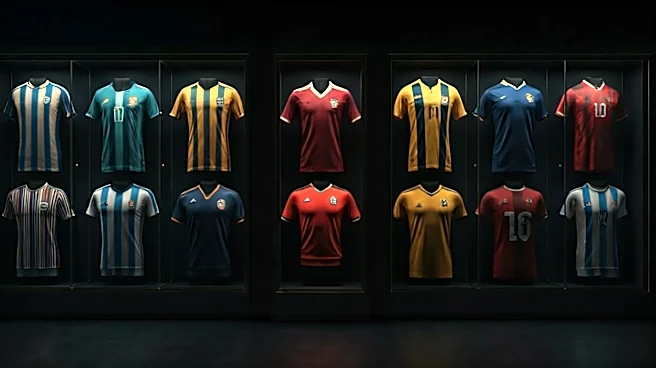
The business model itself fosters a global perspective. When Nike or Adidas designs kits for a World Cup, they are launching a global campaign. The jerseys are marketed and sold with equal intensity in North America, Europe, Asia, and Africa. They are intended to be seen on the streets of Seoul as much as on the terraces in Manchester. The design process often incorporates subtle cultural references, patterns, and colors that are meant to tell a story to a worldwide audience. U.S. sports leagues, while expanding their international footprint, still operate with a domestic-first mindset. The primary market for an NBA or MLB jersey remains the United States. The product design, marketing, and distribution are all centered on that reality, which naturally limits its organic adoption as a global fashion staple.