


1. Offside: The Most Confusing Rule
This is the rule that launches a million arguments. Here’s the simple version: an attacking player is “offside” if they are nearer to the opponent's goal line than both the ball and the second-to-last opponent (the last opponent is usually the goalkeeper)
when the ball is played forward to them. Think of it as an anti-cherry-picking rule. You can’t just have your star striker hang out by the goalie waiting for a long kick. The player has to be “onside” at the exact moment their teammate passes the ball. It doesn’t matter where they are when they receive it. This rule is all about timing and positioning, and even with video replay, the calls can be microscopically close and game-changing.
2. What Actually Counts as a Handball?
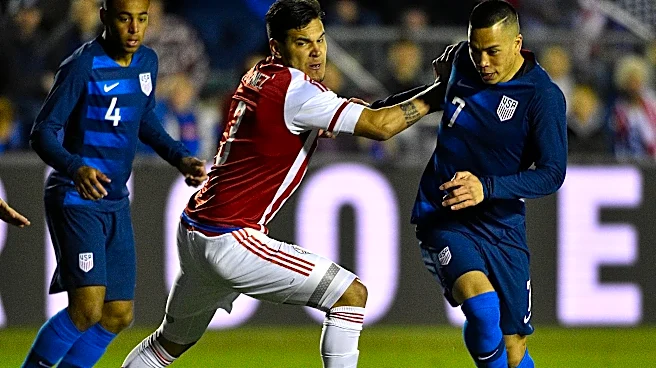
It seems simple—don’t touch the ball with your hands or arms. But the reality is a constant source of debate. The official rule focuses on whether a player makes their body “unnaturally bigger” by moving their arm toward the ball or creating a barrier. Accidental contact, especially if an arm is in a “natural” position (like bracing for a fall), often isn’t penalized. But if a player scores a goal that came directly off their own hand or arm, even accidentally, it will be disallowed. This is why you see players dramatically tucking their arms behind their backs inside the penalty area—they’re terrified of giving away a penalty kick on a random ricochet.
3. Stoppage Time vs. Extra Time
This one trips up a lot of American sports fans used to a clock that stops. A soccer match is two 45-minute halves, but the clock never stops, even for injuries, substitutions, or goal celebrations. To account for that lost time, the referee adds “stoppage time” (or “injury time”) at the end of each half. This is usually just a few minutes. “Extra time” is completely different. It only happens in the knockout stages of a tournament when a game is tied after 90 minutes and a winner must be decided. It consists of two additional 15-minute periods. If the game is still tied after that, it goes to a penalty shootout.
4. VAR: The Eye in the Sky
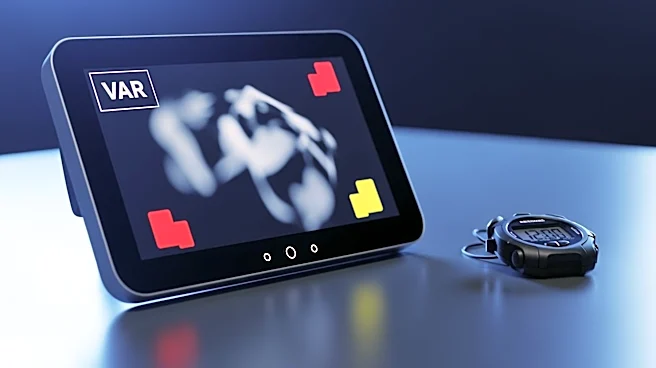
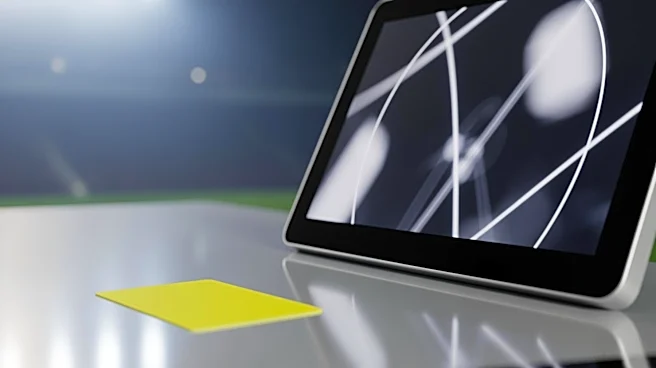
VAR stands for Video Assistant Referee. Think of it as the replay booth, but with very specific powers. The VAR team can only intervene for “clear and obvious errors” or “serious missed incidents” relating to four situations: goals (was there an offside or foul in the buildup?), penalty decisions, direct red card incidents, and mistaken identity (if the ref gave a card to the wrong player). You’ll see the referee make a TV screen gesture with their hands when they’re going to review a play on the sideline monitor. It’s meant to correct huge injustices, but it has its own controversies, often leading to lengthy delays and disrupting the flow of the game.
5. The Card System: A Sliding Scale of Punishment
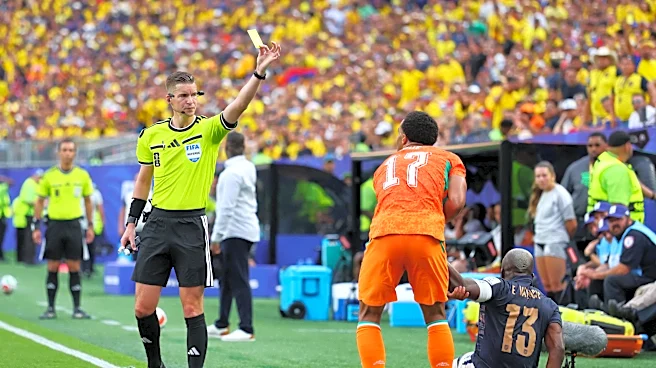
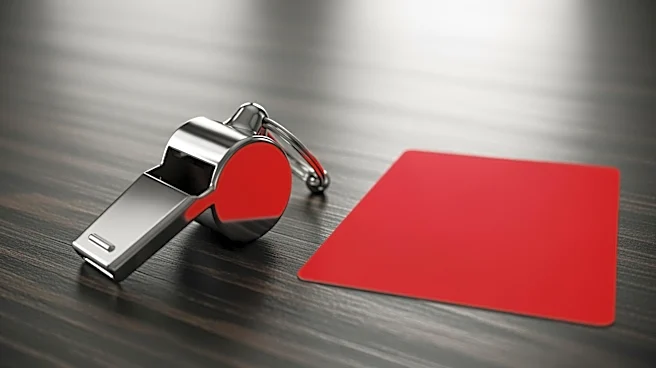
A yellow card is a formal warning. It’s given for things like reckless tackles, persistent fouling, arguing with the referee, or deliberately wasting time. A player who receives a yellow card needs to be careful, because a second yellow card in the same game equals a red card. A red card means immediate ejection from the game, and their team must play the rest of the match a man down—a massive disadvantage. The referee can also show a straight red card for “serious foul play,” violent conduct, or denying an obvious goal-scoring opportunity with a cynical foul or handball. It’s the ultimate punishment in the run of play.
6. The Advantage Rule: Playing On
Ever see a blatant foul happen, but the referee waves their arms and lets the game continue? That’s the “advantage” rule, and it’s one of the smartest in the sport. If a team is fouled but they still have the ball and are in a good attacking position, the referee can choose not to blow the whistle. Why? Because stopping the play would unfairly punish the team that was fouled and reward the defense for their illegal action. It’s the ref’s way of saying, “I see the foul, but letting you continue is a better advantage than giving you a free kick.” If the advantage doesn't materialize within a few seconds, the ref can still call play back and award the original free kick.