







The Power of a Single Color
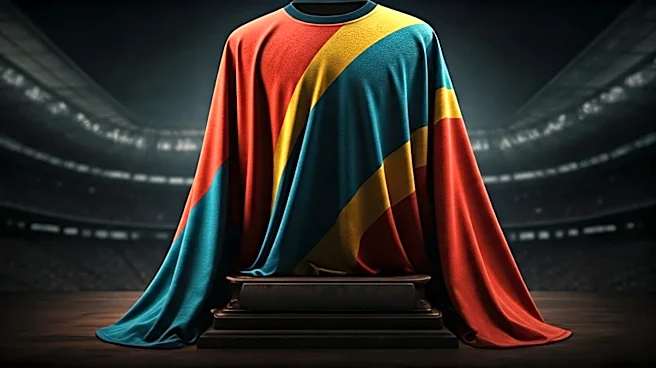
First, the basics. Color is a team’s primary identifier, but it’s rarely an arbitrary choice. For many nations, the jersey simply adopts the colors of the flag—think the red, white, and blue of the USA and France, or the iconic yellow, blue, and red of Colombia.
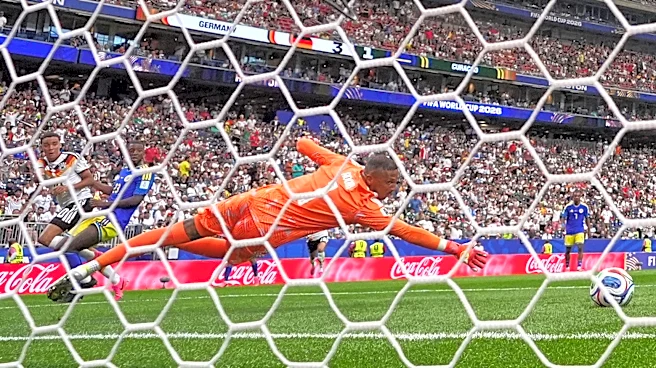
But some of the most famous kits defy their national flags entirely, telling a deeper story. Italy plays in a vibrant blue, known as *Azzurro*, not because of their green, white, and red flag, but in tribute to the House of Savoy, the ruling family that unified Italy in the 19th century. Similarly, the Netherlands’ brilliant orange, or *Oranje*, honors their own royal lineage, the House of Orange-Nassau. Germany’s traditional white jersey is an homage to the flag of Prussia, the powerful state that preceded the German Empire. Color isn’t just branding; it's a direct line to the nation’s very formation.
A Pattern That Tells a Story
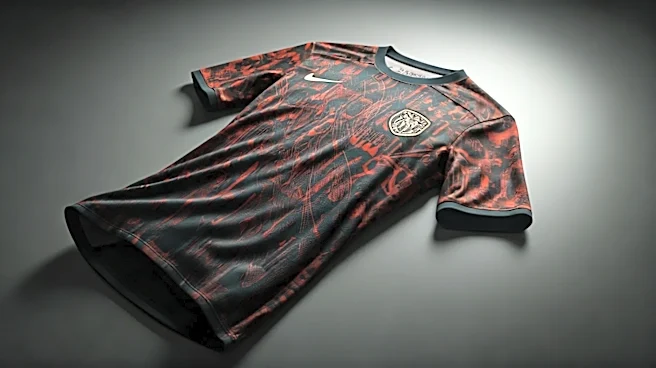
While color is the foundation, the pattern is where designers get to be poets. A simple stripe or a subtle check can carry immense cultural weight. Argentina’s *Albiceleste* stripes are instantly recognizable, but modern kits often embed more intricate narratives. Mexico’s recent jerseys have featured patterns inspired by the feathered serpent god Quetzalcoatl and the intricate art of Aztec and Mayan civilizations, turning the players into walking representations of pre-colonial heritage. Nigeria’s 2018 World Cup kit became a global phenomenon, its jagged green-and-white wing pattern a nod to the swagger and energy of the ‘94 Super Eagles squad. These patterns transform a simple shirt into a canvas for national identity, referencing everything from famous architecture and indigenous art to beloved national symbols, like Japan’s origami-inspired designs.
Wearing History on Your Chest
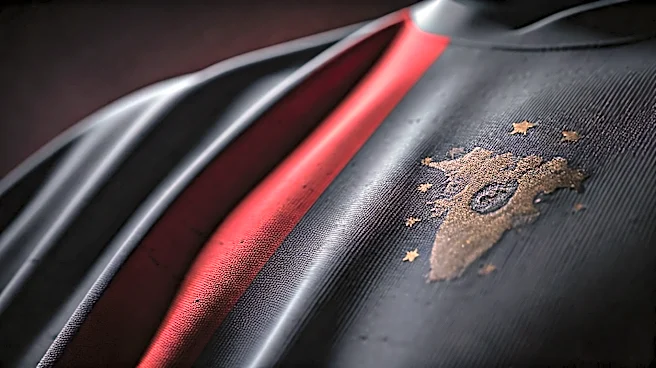
Every kit is a time capsule. The most obvious historical element is the crest, the federation’s badge proudly placed over the heart. But history is woven into the fabric in more subtle ways, too. Teams often use major tournaments to release kits that commemorate a significant anniversary—a centenary of their football federation, or 50 years since a legendary victory. Subtle details, like the font of the numbers or a small emblem on the back of the neck, can be a nod to a past era. For example, a Danish kit once featured a soundwave pattern of the crowd singing the national anthem, literally stitching the fans’ passion into the design. Away kits, free from the constraints of tradition, often become even bolder historical canvases, allowing designers to highlight a national monument, a political movement, or a cultural moment that a primary kit cannot.
The Modern Game: Commerce and Tech
Of course, a modern cup kit isn't just a history lesson; it's also a product. Brands like Nike, Adidas, and Puma are in a constant battle for innovation and sales. The two-year cycle of new home and away kits is driven by a commercial need to give fans something new to buy before every World Cup or continental championship. This pressure can sometimes clash with tradition, leading to designs that fans feel are too generic or disconnected from their history. At the same time, technology plays a huge role. Today’s kits are marvels of material science, engineered to be ultra-lightweight, breathable, and sweat-wicking to give players a fractional performance edge. The very texture and sheen of a modern kit—the result of laser-cut ventilation holes and proprietary fabric blends—are a part of its design, a testament to the era in which it was created.