






Your New Defensive Coordinator: The Back Line
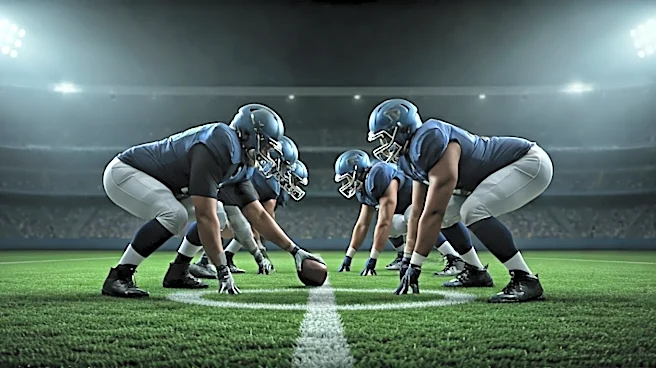
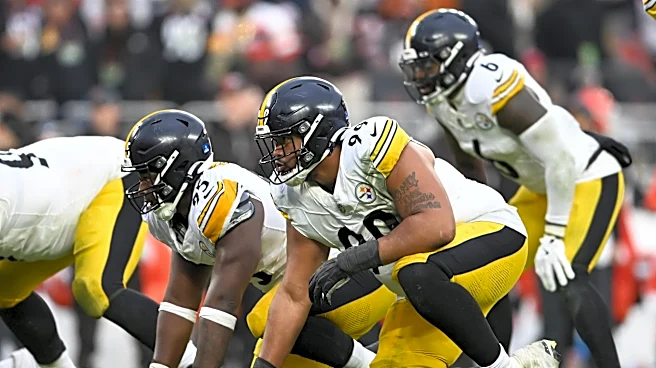
Before we talk about the trap, let’s reframe the defense. Stop thinking about a soccer back line as four random guys running around. Instead, think of them as an NFL defensive line. They have a single, primary job: protect the territory directly in front
of the goal. To do this, they must move as one unit, communicating constantly, reading the offense, and maintaining their formation, or “gap integrity.” Just like a defensive line shifting before the snap, a soccer defense is in constant motion, adjusting its position relative to the ball and the attackers. The player furthest back (not including the goalie) is the key; they establish the “line of scrimmage” for the offside rule.
The Basic Rule: Holding the Line
At its simplest, the offside rule says an attacker cannot be behind that last defender when the ball is kicked forward to them. In football terms, you can’t have a receiver who is already in the end zone when the quarterback throws the pass. Our soccer “line of scrimmage” is fluid, moving up and down the field with the last defender. If an attacker is on the wrong side of that line when a teammate passes them the ball, it's a penalty. This is the equivalent of a false start, but for the offense. The play is blown dead, and possession is turned over. Most of the time, this happens accidentally. But the *trap* is when it happens on purpose.
The Trap Is a Coordinated Blitz
This is where the magic happens. The offside trap isn't a passive rule; it's an aggressive, high-risk tactical weapon. Imagine an NFL defensive coordinator calling an all-out blitz. It's a coordinated, perfectly timed gamble designed to blow up the play before it even starts. That’s the offside trap. The entire defensive line, watching the opposing midfielder prepare to make a long pass, takes a sudden, unified step or two forward *right before the ball is kicked*. By doing this, they instantly move the “line of scrimmage” forward. The attacker who *was* legally positioned a second ago is now suddenly stranded behind the new line, making them offside the moment the pass is played. It's a brilliant, synchronized move that neutralizes a threat without ever touching the ball. It’s the tactical equivalent of a sack.
The Risk: A Blown Coverage Touchdown
Of course, what happens when a blitz fails? The quarterback gets the pass off, and with no safeties in deep coverage, it’s an easy touchdown. The risk of the offside trap is exactly the same, and the consequences are just as devastating. For the trap to work, all four defenders must step up in perfect unison. If just one defender is a fraction of a second late, or if they don't get the mental memo, they keep the attacker onside. This is called “playing them on.” Now, the attacker receives the pass legally, but the rest of the defense is caught flat-footed, having pushed up the field. This creates a wide-open lane to the goal. A failed trap is a defensive breakdown of the highest order, often leading directly to a one-on-one with the goalkeeper. It’s the ultimate boom-or-bust defensive call.