


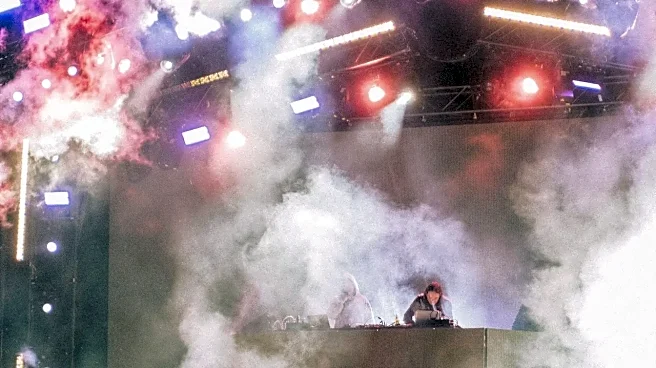

An Extension of Its Creator
To understand Camp Flog Gnaw, you have to understand its founder, Tyler, the Creator. From his early days with the anarchic hip-hop collective Odd Future to his Grammy-winning solo work that fuses rap, soul, jazz, and pop, Tyler has never respected genre
boundaries. The festival is a direct reflection of his personal artistic journey and eclectic taste. It began in 2012, essentially as a block party for his friends and collaborators, and has maintained that spirit ever since. One critic noted the lineup feels less like a corporate booking and more like a representation of one person's taste, with Tyler acting as the connective tissue between otherwise disparate artists. It’s his world, from the carnival rides to the artist selection, and attendees are invited to step inside.
Serving the Playlist Generation
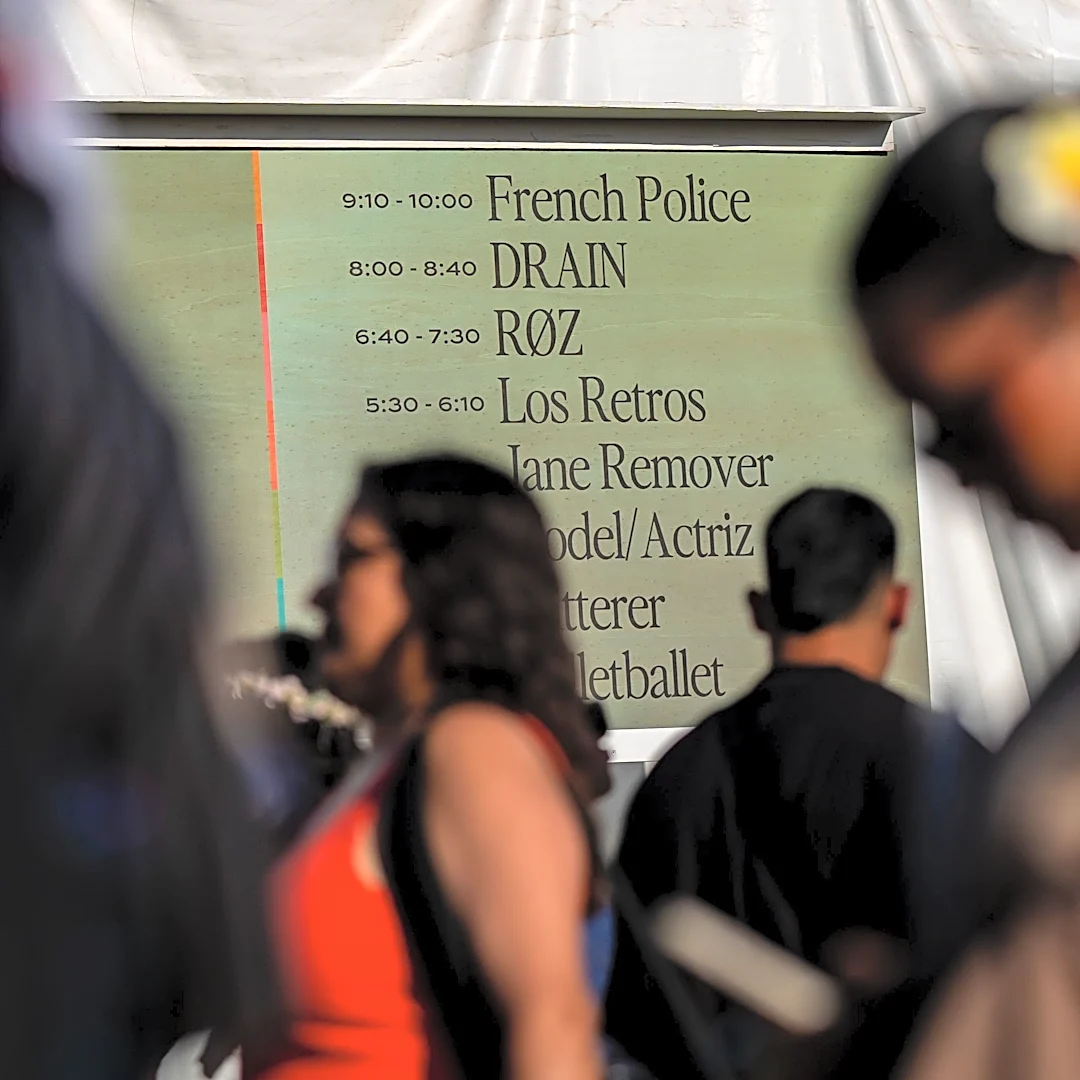
The festival's anything-goes approach is also perfectly aligned with how its young, diverse audience consumes music today. For a generation raised on Spotify playlists and TikTok sounds, the walls between genres have all but disappeared. Listening habits are no longer defined by allegiance to 'rock' or 'hip-hop' but by mood, algorithm, and discovery. Camp Flog Gnaw's lineup mirrors this reality. It rejects the traditional festival model, which often silos artists by genre, and instead presents a human-powered recommendation engine. The bet is that a fan who comes for a headlining rapper like Future might discover and fall in love with a hardcore band like Turnstile or a classic soul group like Thee Sacred Souls. It’s a gamble on the curiosity of the audience, asking them to trust the curator.
A Unique and Defensible Niche
There's also a shrewd business logic at play. In a crowded festival market, trying to be the biggest EDM, hip-hop, or rock festival is a difficult game. Camp Flog Gnaw sidesteps that competition entirely. Its brand isn't built on a single genre but on a specific vibe: creative, inclusive, and unpredictable. This has cultivated a fiercely loyal community that often sells out the event before the lineup is even announced. The festival's success proves that a strong curatorial identity can be just as powerful, if not more so, than a lineup of predictable, genre-specific headliners. It has become a destination for fans seeking not just music, but a complete, immersive experience that celebrates individuality.
A Platform for the Unconventional
Beyond established stars, the festival has built a legacy on amplifying rising and underrepresented voices. The eclectic billing gives a massive platform to artists who don't fit neatly into commercial radio formats. It can feature bilingual performers like Kali Uchis, genre-bending multi-instrumentalists like Steve Lacy, or experimental producers who are popular online but might be overlooked by more traditional festivals. By placing these artists on the same bill as major headliners, Tyler, the Creator actively counteracts industry barriers and introduces his audience to new sounds. This commitment to authenticity and discovery is a core part of the festival's DNA, making it a crucial launching pad for the next wave of non-conformist talent.