



1. Perfect the Waistband Gap
It’s the most common denim complaint: the gap at the back of the waistband. A tailor can easily fix this by adding darts or restructuring the waistband for a seamless, contoured fit. This single adjustment makes jeans look instantly custom-made, as if
they were designed specifically for your body—the ultimate hallmark of a designer piece.
2. Taper the Leg for a Modern Shape
Have a pair of vintage jeans or a straight-leg cut that feels a little dated? Ask a tailor to taper the leg from the knee down. This subtle narrowing creates a more modern, slim silhouette that hugs the calf and ankle just right. It’s an easy way to update an old favorite without sacrificing the comfortable, worn-in feel you love.
3. Create a Sharp, Raw Hem
While frayed, stringy hems have their place, a clean, sharp raw hem looks more intentional and polished. This is an easy DIY: measure carefully, use sharp fabric scissors for a single, crisp cut, and you’re done. For a perfectly straight line that hits the most flattering part of your ankle (usually just above the bone), a professional tailor can work wonders.
4. Add a Released or Stepped Hem
To create a high-fashion, two-tone effect, ask a tailor to create a released hem. This involves un-stitching the original factory hem and pressing it flat, revealing the darker, un-faded indigo underneath. A stepped hem—where the front is slightly shorter than the back—is another insider trick that adds visual interest and showcases your footwear.
5. Upgrade the Hardware
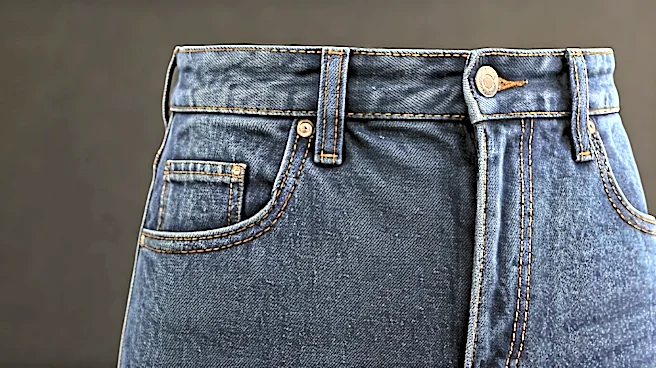
Stock buttons and rivets on mass-market denim can often look and feel cheap. Swapping them out is a simple fix with a massive impact. You can buy high-quality hardware online—think matte black, antique brass, or sleek silver—and either install it yourself with a button-fitting kit or have a tailor do it. It’s a detail that quietly screams luxury.
6. Insert a Discreet Side Slit
For straight-leg or bootcut jeans, a small, 2-to-3-inch slit on the outside seam at the ankle is a game-changer. This allows the denim to fall perfectly over your boots or high-top sneakers, preventing bunching and creating a graceful, fluid line. It’s a subtle detail often seen on designer denim that adds a touch of sophistication.
7. Get Strategic with Distressing
Designer distressing is never random. It mimics natural wear and tear. Instead of hacking away with scissors, focus on creating subtle abrasion on high-contact points like the tops of your thighs, pocket edges, and belt loops. A fine-grit sandpaper or a pumice stone will create a soft, authentically worn-in look, not a gaping hole.
8. Add Darts to a Denim Jacket
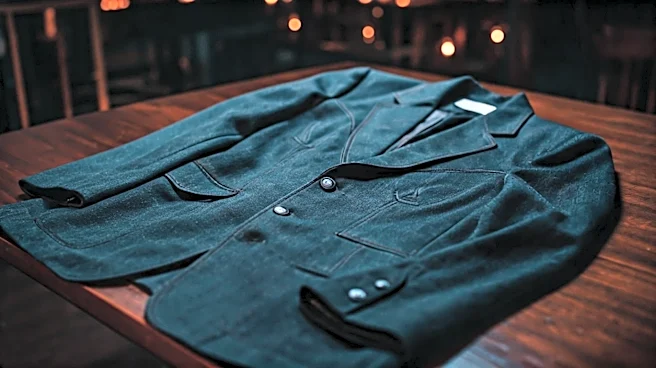
A boxy denim jacket can swallow your frame. To give it shape and a more flattering silhouette, a tailor can add vertical darts in the back. This simple alteration cinches the waist, creating a more tailored, fitted look that instantly appears more expensive and less generic.
9. Reinforce with Visible Mending
Don’t toss jeans with a torn knee or a ripped pocket. Turn that flaw into a feature with visible mending. Inspired by the Japanese art of Sashiko, use a contrasting denim patch on the inside and secure it with decorative, visible stitching on the outside. This Boro-style repair is not only durable but adds a unique, artful story to your garment.
10. Shorten Straps on Overalls or Jumpsuits
Poorly fitting overalls often have one main culprit: straps that are too long. This causes the bib to sag and the waist to hit at an unflattering spot. A tailor can easily shorten the straps, lifting the entire garment into its proper place. This ensures the waistline sits at your natural waist and the bib lies flat against your chest.
11. Craft the Perfect Cutoff
Creating the ideal cutoff shorts is an art. Instead of just chopping them off, measure to find your most flattering inseam. A good rule of thumb is to cut them an inch longer than you think you need, and often slightly longer in the back for more coverage. After cutting, run them through a wash and dry cycle to create a natural, even fray along the new hem.