



The Unspoken Insult in 'Elevated'
Let's be clear about what people mean when they say 'elevated horror'. They're usually talking about films like 'Hereditary', 'The Witch', or 'Get Out'—movies that trade jump scares for psychological dread and pack a thematic punch. The term is used to
separate these 'artistic' films from the slashers and creature features that many still consider the genre's bread and butter. The problem is baked right into the word: 'elevated' implies that the rest of the genre is somehow lower, cruder, and less worthy of serious discussion. It's a term often used by people who want to give themselves permission to like a horror movie without associating with a genre they secretly look down on. It suggests that for a horror film to be considered 'good', it has to be something more than horror, as if the genre itself were a deficiency to overcome.
Forgetting Horror's Deep Roots
This notion that horror only recently became 'smart' is profoundly ignorant of the genre's history. Horror has always been a vehicle for social and political commentary. In the 1950s, films like 'Invasion of the Body Snatchers' channeled widespread fears of McCarthyism and communist infiltration. The 1970s gave us 'The Texas Chainsaw Massacre' and 'The Stepford Wives', which respectively tapped into post-Vietnam anxieties about violence and searing feminist critiques of patriarchy. George A. Romero's 'Night of the Living Dead' was a landmark commentary on race in America decades before Jordan Peele's 'Get Out' masterfully explored similar themes for a new generation. Horror has never been just about gore and monsters; it has consistently been a mirror reflecting society's darkest anxieties and injustices. To call modern psychological horror 'elevated' isn't just an insult to today's slashers; it's an insult to the foundational classics of the genre that were just as thoughtful and subversive.
A Slasher Can Be Art, Too
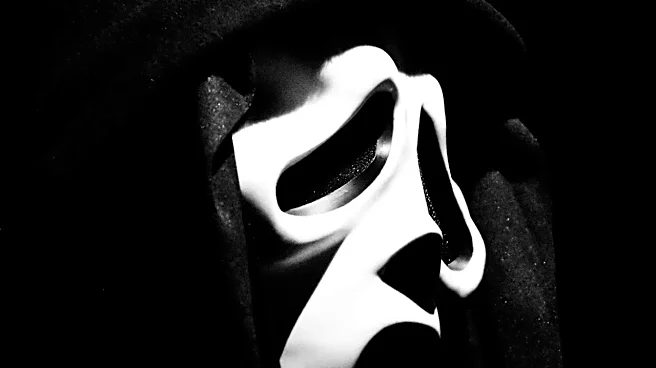
The 'elevated' label creates a false and unhelpful binary. It suggests that a slow-burn, atmospheric film about grief is inherently more valuable than a high-octane slasher or a wildly inventive monster movie. But why can't both be art? A film like 'Scream' is brilliant not for its quiet metaphors, but for its witty, self-aware deconstruction of the very tropes that define its subgenre. 'A Nightmare on Elm Street' is a surrealist masterpiece about the terrors of the subconscious. These films are smart, creative, and have had a lasting cultural impact. The quality of a horror film isn't determined by how much it resembles a somber drama. It's determined by how effectively it executes its own vision, whether that vision is a quiet exploration of loss or a gleefully bloody fight for survival. A well-crafted cheeseburger doesn't need to be called 'artisanal' to be delicious.
Let's Just Call It 'Horror'
Filmmakers themselves often reject the term. Jordan Peele, whose work is frequently cited as a prime example of 'elevated horror', has pushed back on the label, noting that all great horror has a social message. The term is vague, with no clear consensus on what it even includes. Some critics retroactively apply it to classics like 'Alien' or 'Rosemary's Baby', proving the distinction is arbitrary. A more useful term already exists: 'art horror' or 'psychological horror'. These are descriptive, not hierarchical. They tell you about the film's style and focus without passing judgment on other types of horror. The genre is a vast and varied landscape, with room for supernatural hauntings, creature features, slashers, body horror, and quiet psychological thrillers. Each has its own conventions and its own potential for greatness.