



The Foundation: Wovens & Naturals
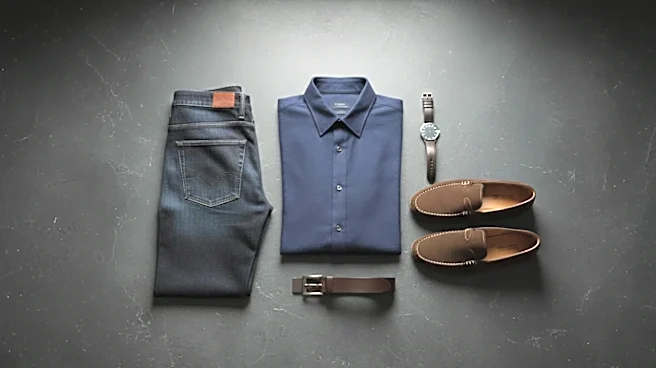
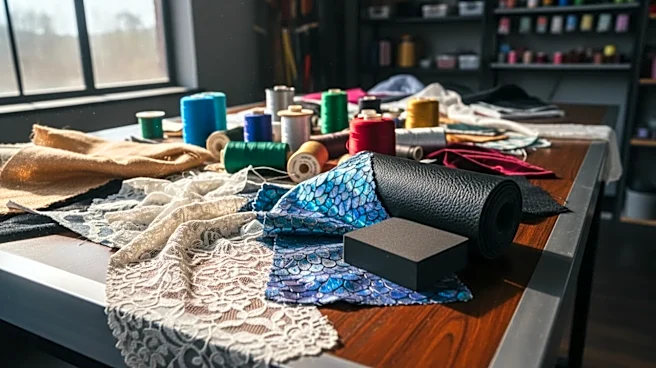
These are the reliable workhorses of the sewing world. Woven fabrics are made by interlacing threads at right angles, giving them stability. Cotton poplin is lightweight, easy to sew, and perfect for shirts or simple dresses. Canvas and Duck Cloth are heavier,
durable cottons ideal for bags, structured jackets, or military-style gear. Twill, recognizable by its diagonal weave, is what your jeans are made of; it's a sturdy choice for uniforms and trousers. Muslin is a cheap, unbleached cotton used to make test garments—a crucial step to perfect your fit before cutting into expensive fabric.
Fabric Construction 101
Ready for a mini-lesson in fabric anatomy? The Grainline is the direction of the threads, running parallel to the Selvage (the fabric's finished, non-fraying edge). Cutting with the grain ensures your costume hangs correctly and doesn't twist. The Bias is any diagonal cut, but the "true bias" at a 45-degree angle unlocks a fabric's hidden potential for stretch and drape, perfect for slinky dresses or conforming details. Weave refers to the pattern of interlaced threads (like poplin), while Knit fabrics are made of interlocking loops (like a sweater), giving them natural stretch.
The Stretch Squad: Synthetics
Welcome to the world of skin-tight superhero suits. Spandex, also known by the brand name Lycra, is the undisputed king, offering incredible four-way stretch. It's essential for any form-fitting bodysuit. Neoprene and Scuba are related materials, thicker and more structural than standard spandex. Neoprene, with its sponge-like quality, can even be used for soft armor pieces, while Scuba provides a smooth, futuristic sheen perfect for high-tech suits.
Shine, Shimmer, and Sheer
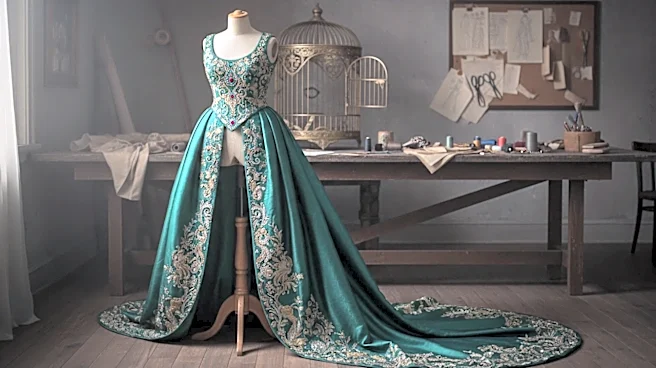
For royalty, magic, and anything that needs to catch the light, this category is key. Satin has a glossy front and a dull back, creating a luxurious look for gowns and capes, but its slippery nature can make it tricky to sew. Lamé is a shiny, metallic fabric that screams sci-fi or disco. For ethereal looks, turn to sheer fabrics. Chiffon is lightweight and flowy, perfect for delicate overlays or ghostly effects. Organza is stiffer and holds its shape more, making it great for adding volume to skirts and sleeves.
Faux and Fabulous
Get the look without the cost or ethical concerns of the real thing. Faux Leather, often called Pleather, comes in many forms, including PU (polyurethane) and PVC (polyvinyl chloride). It's great for jackets, boots, and armor details. Similarly, Faux Fur adds texture and realism to fantasy barbarians or animal characters. Vinyl is a high-gloss, plastic-coated fabric that gives a wet or futuristic look, often used for catsuits or edgy accessories.
Armor & Structure: Beyond Fabric
Some costumes need more than cloth. EVA Foam, the same stuff in anti-fatigue floor mats, is a cosplayer's best friend. It's cheap, lightweight, and can be cut, heat-shaped, and glued to create incredible armor and props. Worbla is a brand of thermoplastic. It comes in sheets that, when heated, become moldable like clay and stick to themselves. It's more expensive and heavier than foam but captures fine details and creates very durable armor. Many pros use a combination, with foam for the base and Worbla for details.
The Finishing Touches
These are the details that elevate a costume. Interfacing is a material ironed or sewn onto the 'wrong' side of your main fabric to add stiffness and structure—essential for crisp collars and waistbands. Appliqué is the technique of sewing smaller pieces of fabric onto a larger garment to create a design, perfect for logos and detailed patterns. Grommets are metal rings used to reinforce holes for lacing. Finally, Bias Tape is a strip of fabric cut on the bias, making it flexible enough to neatly finish curved edges like necklines and armholes.