





The Missing Piece: Gentle Exfoliation
The hidden step most people miss in their hand care is regular, gentle exfoliation. We religiously exfoliate our faces to slough off dead skin and unclog pores, but our hands—which endure constant washing, sun exposure, and work—are almost always forgotten.
Think about it: our hands are one of the first places to show signs of aging, from fine lines to sunspots. Just like the skin on your face, the skin on your hands has a natural cell turnover cycle. As we age, this process slows down, leading to a build-up of dead cells that can make hands look dull, dry, and rough. Applying even the richest hand cream on top of this layer is like trying to water a plant with a plastic sheet over the soil; the good stuff just can't get through.
Why This Step Is a Game-Changer
Incorporating exfoliation into your hand care routine does more than just smooth the surface. First and foremost, it dramatically enhances product absorption. By removing the barrier of dead skin, you create a clean slate for your moisturizers, serums, and sunscreens to penetrate deeply and work more effectively. This means you get more value out of the products you’re already using. Secondly, it stimulates cell renewal, which helps improve skin tone and texture over time. Regular exfoliation can help fade the appearance of dark spots and hyperpigmentation caused by sun damage, making your hands appear more even and youthful. It also helps prevent the buildup of rough skin and calluses, especially around the knuckles and cuticles, keeping your hands feeling soft and supple.
How to Do It Right
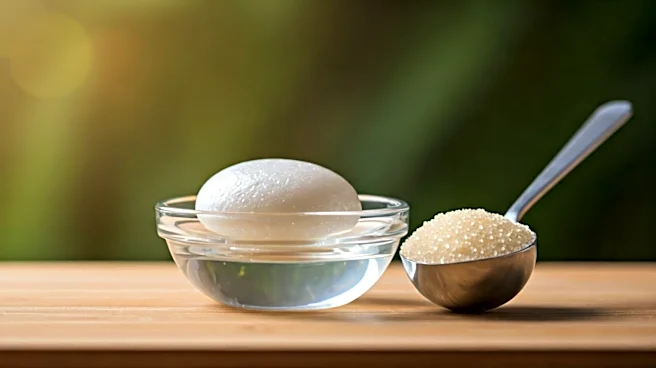
Exfoliating your hands doesn’t require expensive tools or a lot of time. The key is to be gentle and consistent, aiming for one to two times per week. There are two main approaches: **Physical Exfoliation:** This involves using a product with a fine, gritty texture to manually buff away dead skin. You can use a pre-made body or hand scrub, or create a simple DIY version by mixing a tablespoon of sugar or fine coffee grounds with a bit of coconut or olive oil to form a paste. Gently massage the scrub onto damp hands in circular motions for about a minute, focusing on rough areas like knuckles, then rinse with warm water. **Chemical Exfoliation:** This method uses acids to dissolve the bonds holding dead skin cells together. Look for hand creams or lotions containing alpha-hydroxy acids (AHAs) like glycolic or lactic acid. These are great for targeting signs of aging and improving texture. For a more intensive treatment, you can use a facial peel pad with AHAs or beta-hydroxy acids (BHAs) on the backs of your hands, following the product's instructions carefully before rinsing or leaving it on.
The Crucial Follow-Up
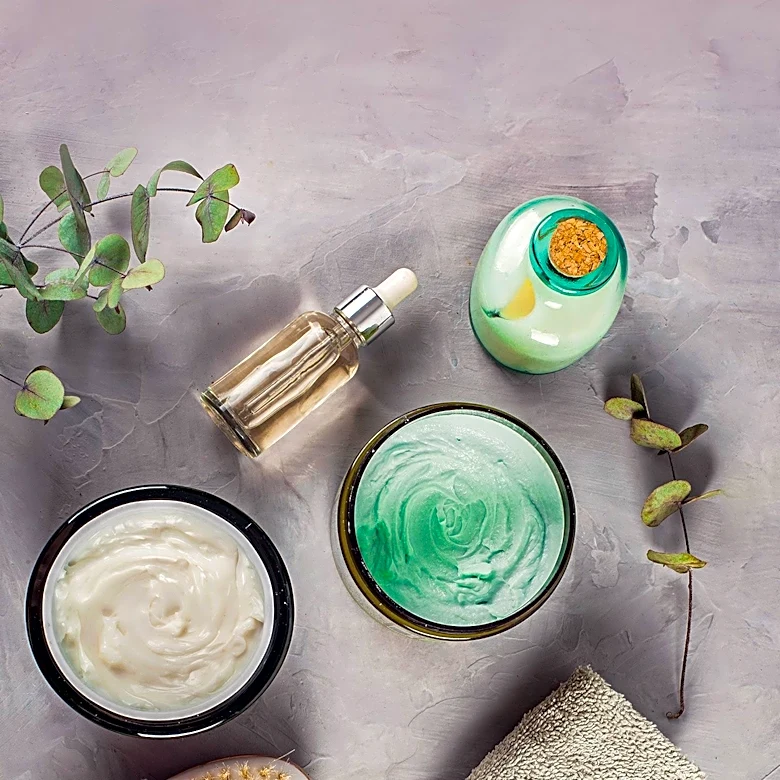
Exfoliation is only half the battle. The step that follows is just as critical: immediate and intensive hydration. After you exfoliate, your skin is primed to soak up moisture. This is the perfect moment to apply a rich, nourishing hand cream or balm. Look for ingredients like shea butter, ceramides, hyaluronic acid, and glycerin to replenish moisture and protect the new, fresh layer of skin you’ve just revealed. Slather it on generously, taking a moment to massage it into your skin, cuticles, and nails. Finally, remember that freshly exfoliated skin is more vulnerable to sun damage. Make applying a broad-spectrum sunscreen with at least SPF 30 to the backs of your hands a non-negotiable part of your morning routine. This will protect your efforts and prevent future damage, keeping your hands healthy for years to come.